NASA has cleared its Nancy Grace Roman Space Telescope for launch after teams completed a flight readiness review on Wednesday. The telescope is scheduled to lift off on August 30 at 7:26
Asteroid Apophis passes within 31,000km of Earth on April 13, 2029—closer than geostationary satellites. Visible to naked eye from Europe, Africa, Asia. Multiple spacecraft
Misinformation about an August 2, 2025 solar eclipse has spread across social media, but NASA records confirm no such eclipse will occur. The real astronomical spectacle awaits on August 2, 2027, when
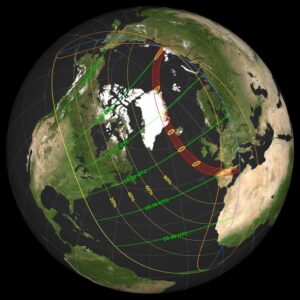
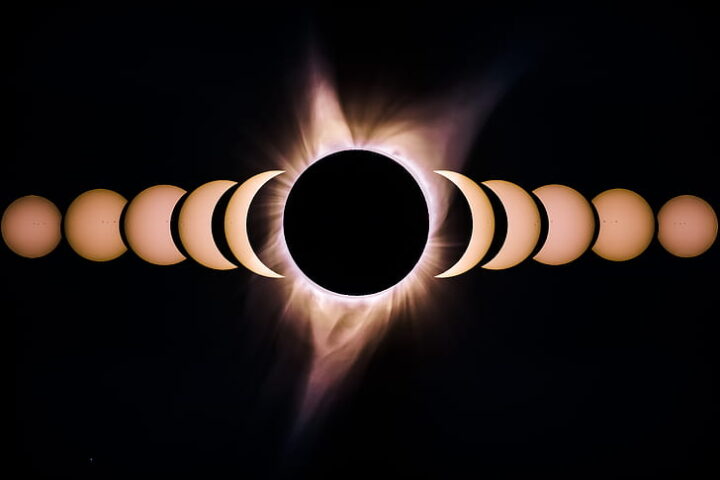
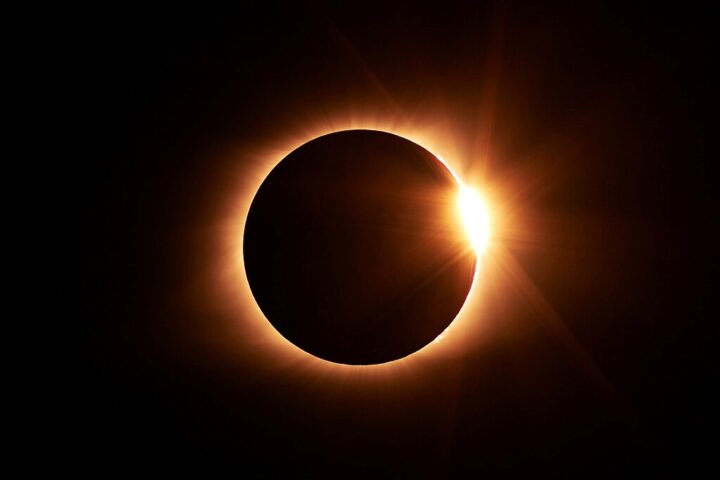
The August 2, 2027 total solar eclipse will create an extraordinary celestial event as the Moon covers the Sun for over six minutes in some locations. The path cuts through historic regions
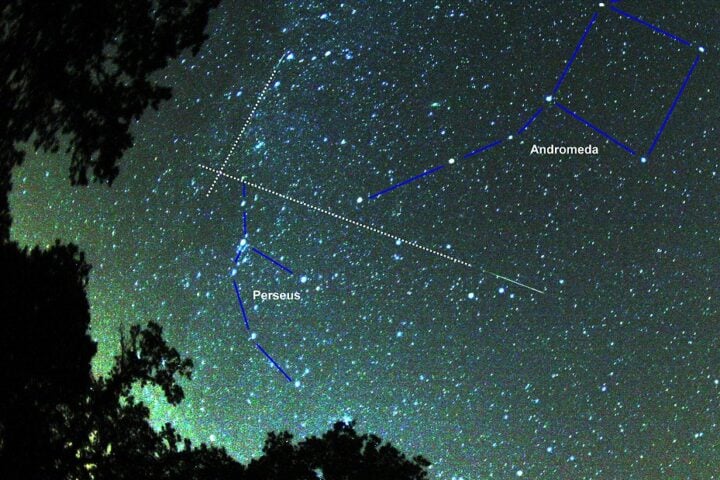
When July stargazers look up, most eyes focus on the famous Perseids. But while moonlight dims this year’s Perseid peak, four lesser-known meteor showers offer spectacular celestial fireworks between late July and
Your day will be a bit shorter this summer, though you won’t notice the difference. On July 9, July 22, and August 5, 2025, Earth will spin slightly faster than normal, shaving
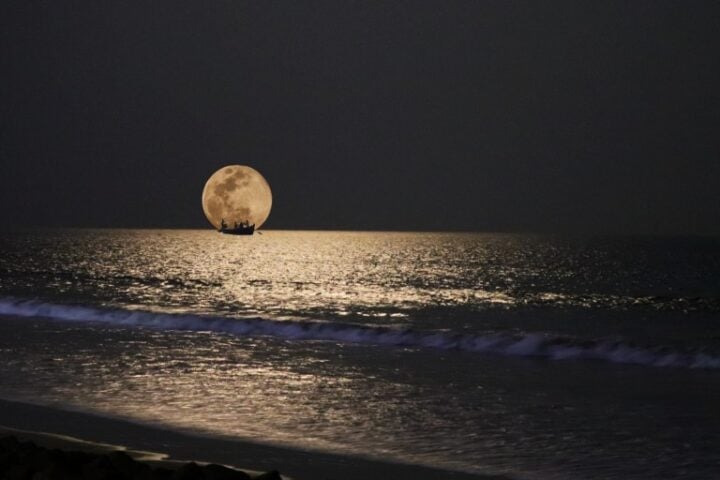
Mark your calendars for Thursday, July 10, 2025. That’s when the Buck Moon will light up the night sky, reaching its peak at 4:37 PM Eastern Daylight Time. This isn’t just any
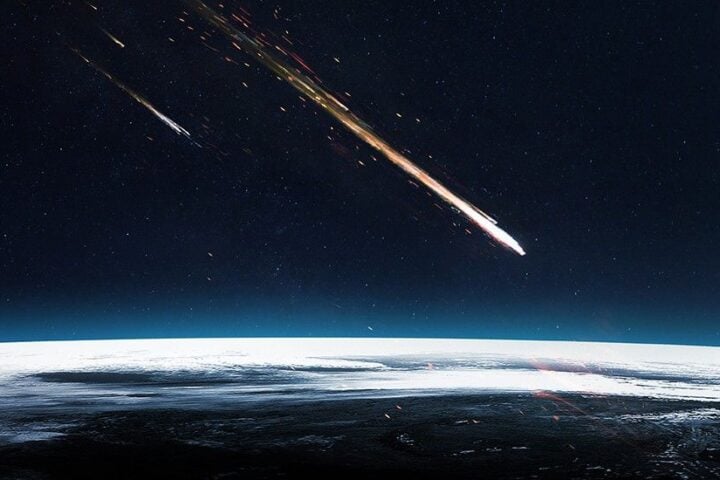
A spectacular fireball lit up the daytime sky across several southeastern states on Thursday afternoon, turning out to be a massive meteor that may have sent chunks crashing into a Georgia home.
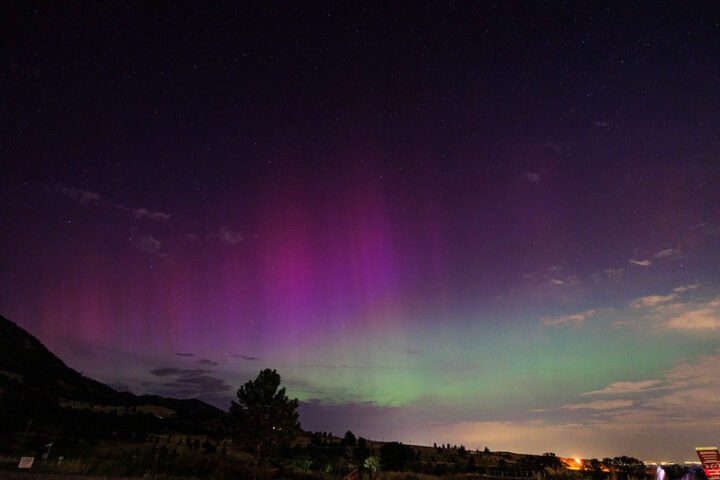
The Northern Lights will likely be visible across 14 US states on June 25, 2025, thanks to a moderate geomagnetic storm heading toward Earth. The National Oceanic and Atmospheric Administration (NOAA) predicts
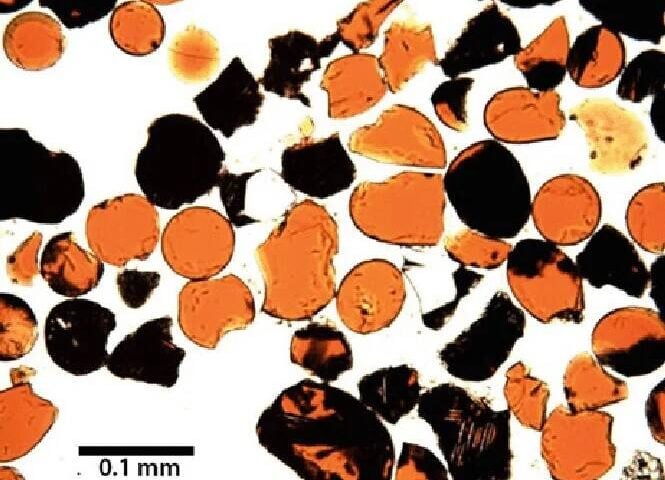
Scientists are using new technology to study tiny orange glass beads found on the Moon. Apollo astronauts first discovered these beads over 50 years ago. Each bead is smaller than a grain
Mars will create a stunning sky pairing with the bright star Regulus this month, offering stargazers a rare color contrast visible to the naked eye. On June 16-17, the red planet will
June’s full moon, known as the “Strawberry Moon,” lit up skies worldwide on June 10-11, 2025, appearing noticeably lower on the horizon than usual. This rare sight, not seen since 2006, won’t


 Karmactive Staff
 Rahul Somvanshi
 Karmactive Team
 Govind Tekale