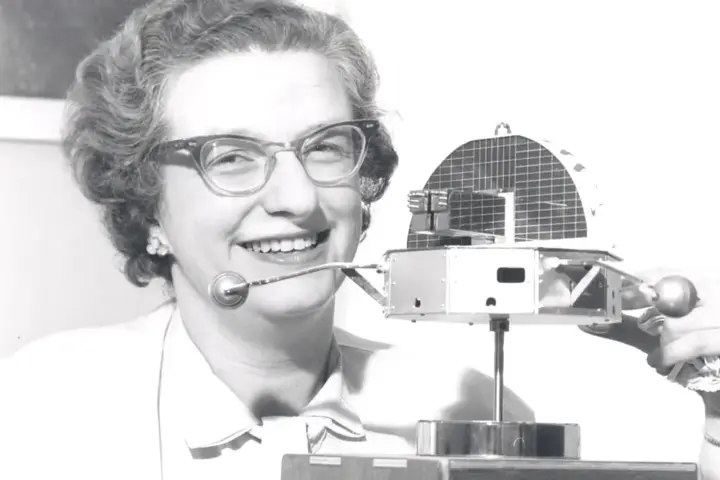
NASA has cleared its Nancy Grace Roman Space Telescope for launch after teams completed a flight readiness review on Wednesday. The telescope is scheduled to lift off on August 30 at 7:26
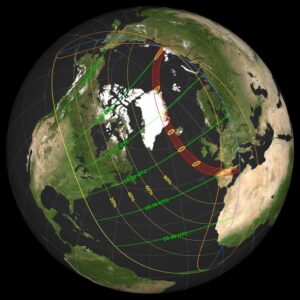
Asteroid Apophis passes within 31,000km of Earth on April 13, 2029—closer than geostationary satellites. Visible to naked eye from Europe, Africa, Asia. Multiple spacecraft
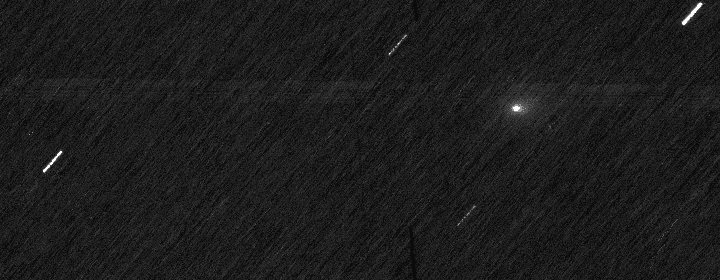
Interactive brief with factual intro, instrument status, and related links. ESA’s ExoMars & Mars Express Observe Interstellar Comet 3I/ATLAS Oct 1–7, 2025: Mars‑orbiting spacecraft targeted 3I/ATLAS. ExoMars CaSSIS recorded a faint coma;
A breakthrough study from the University of Oxford and Google Cloud shows how artificial intelligence can now accurately identify genuine cosmic events in the night sky with remarkably little training data. Published
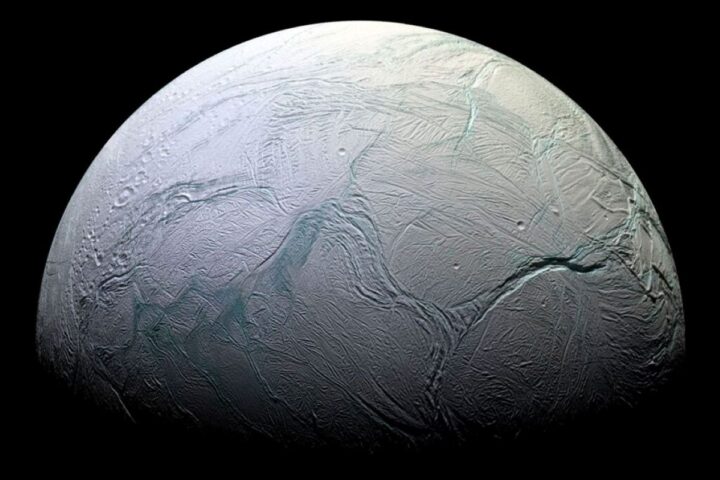
Scientists have discovered new types of organic molecules in ice grains ejected from Saturn’s moon Enceladus, bolstering the possibility that this small, icy world could support life. The discovery comes from a
The night sky will light up with the first supermoon of 2025 on October 6-7, marking the start of an uncommon streak of three consecutive supermoons to close out the year. This
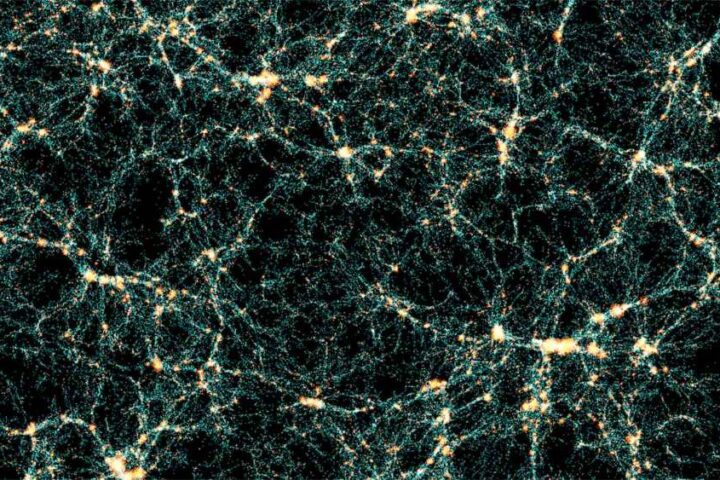
The Euclid Consortium has just released Flagship 2, the most extensive simulation of the universe ever created. This digital model maps an astonishing 3.4 billion galaxies and tracks the gravitational interactions of
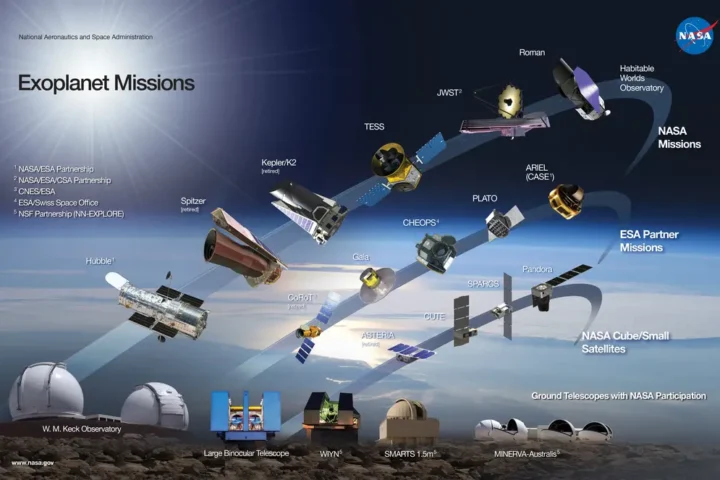
NASA’s official count of worlds beyond our solar system reached 6,000 this week, marking a cosmic milestone in humanity’s quest to understand our place in the universe. The announcement, made September 17,
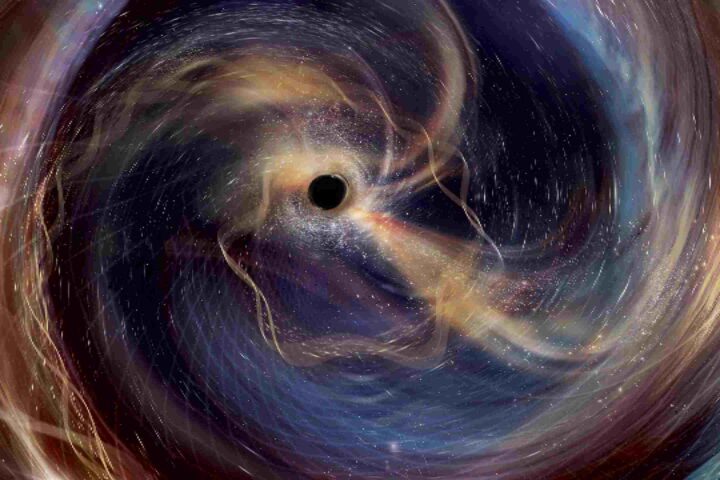
Scientists have captured the clearest gravitational wave signal ever recorded, marking a milestone decade after the first such detection. This powerful cosmic event, called GW250114, arrived at Earth on January 14, 2025,
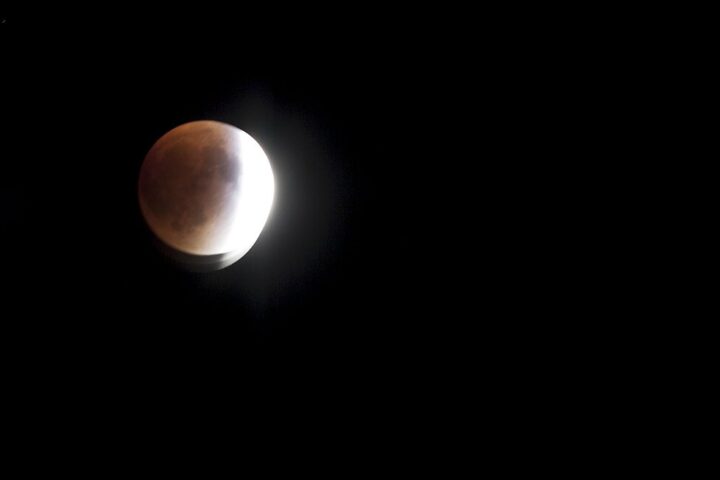
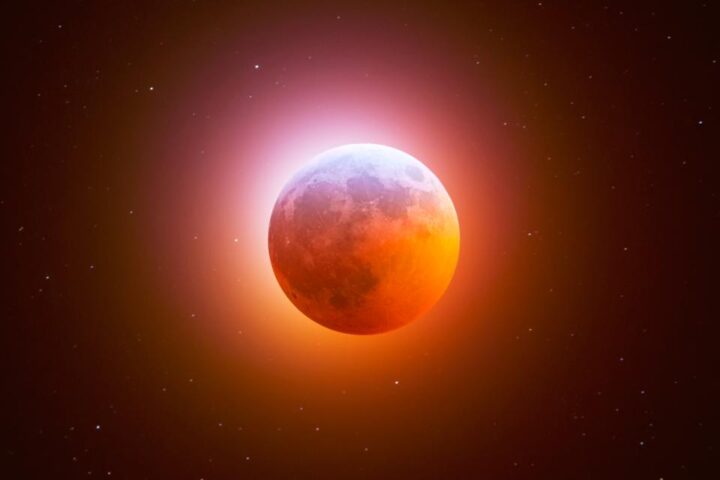
A total lunar eclipse will occur on September 7-8, 2025, when Earth passes between the Sun and Moon, causing the Moon to turn red. The totality phase will last 82 minutes, making
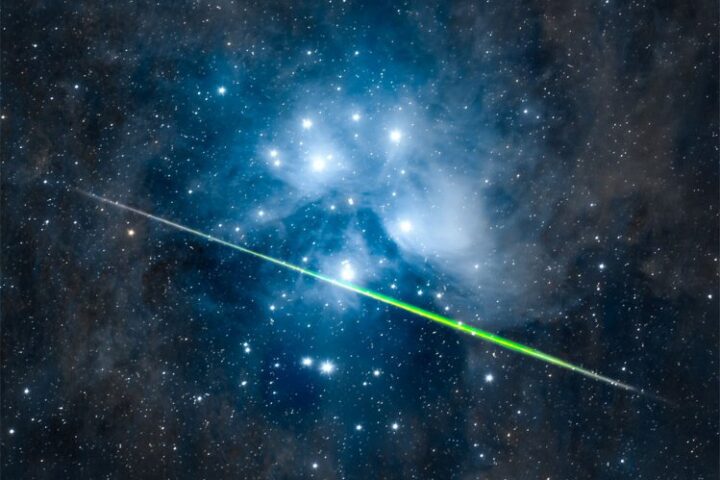
A photograph captured in Saudi Arabia’s AlUla region has earned global recognition as NASA’s Astronomy Picture of the Day (APOD) on August 25, 2025. The image titled “The Meteor and the Star
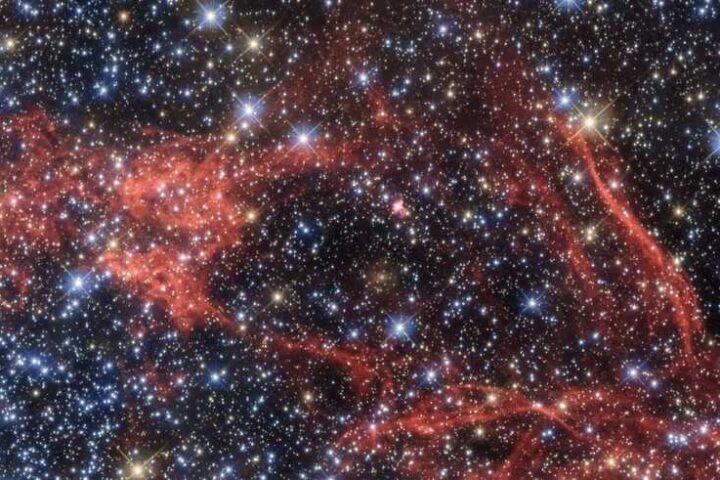
A star located about 3,000 light-years away from Earth did something remarkable between late 2024 and early 2025 – it dimmed by a staggering 97%, nearly vanishing from view before brightening again.

 Rahul Somvanshi
 Karmactive Team
 Govind Tekale
 Karmactive Staff