 Krutika Surana
Lisa Bagwell: Transforming Waste Into Artistic Masterpieces
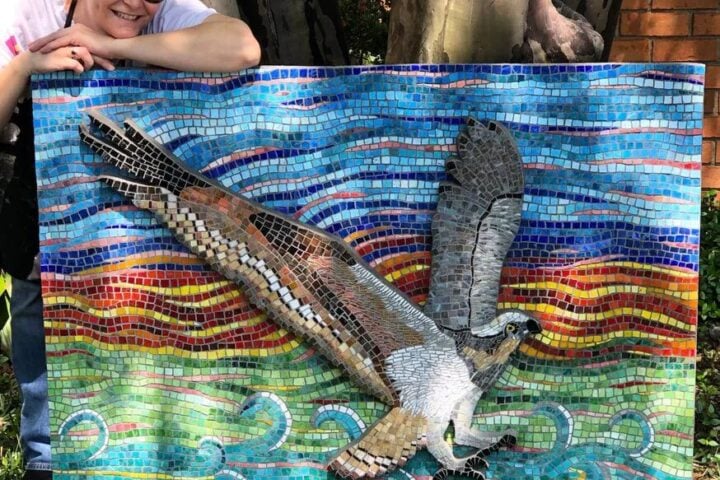
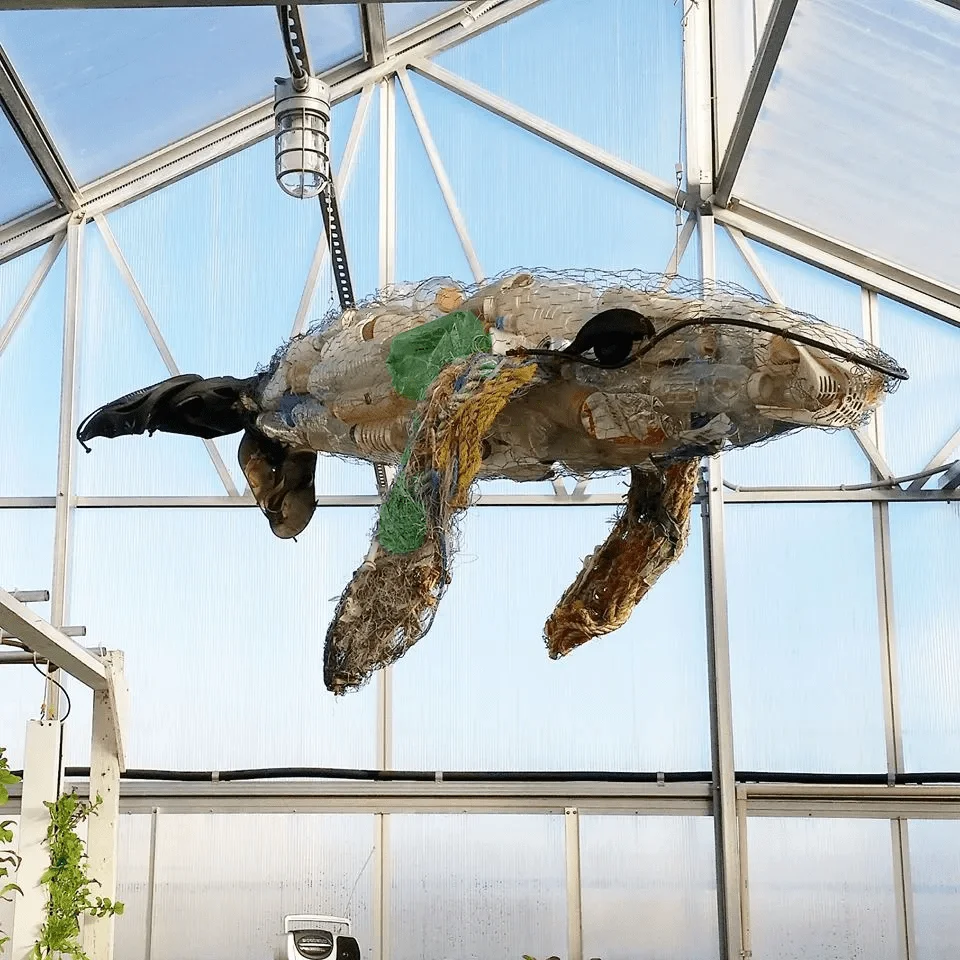
Artist Lisa Bagwell has gained international recognition for her innovative approach to environmental art, creating stunning sculptures and installations entirely from recycled materials. Her work, which has been exhibited across North America and Europe, demonstrates how creative expression can directly address ecological concerns through waste reduction.
The Artist’s Journey and Environmental Philosophy
Bagwell, who holds a Master of Fine Arts from the Rhode Island School of Design, began incorporating discarded materials into her work in 2012 after witnessing the extent of plastic pollution during a residency in coastal Maine. According to a 2020 interview with EcoArt Quarterly, approximately 85% of her materials are salvaged from landfills, construction sites, and post-consumer waste streams.
Her artistic process aligns with broader sustainable design movements that now encompass everything from fashion to architecture, with the global recycled materials market reaching $423 billion in 2023 according to Grand View Research.
Exhibitions and Measurable Impact
Bagwell’s installations have been featured at the Smithsonian American Art Museum, the Portland Museum of Art, and the Victoria & Albert Museum’s Sustainability Gallery. A 2021 analysis by the Green Arts Foundation found that artists working with recycled materials divert an average of 2.3 tons of waste from landfills annually per active exhibitor.
Community-based waste reduction strategies promoted through her workshops have engaged over 1,200 participants across 15 cities, according to the artist’s studio records. These initiatives demonstrate the scalability of art-driven environmental action.
Future Projects and Legacy
Looking ahead, Bagwell’s upcoming exhibition “Plastic Reverie” will feature pieces created from ocean plastic collected during cleanup expeditions in 2024. Environmental researchers from Yale University’s School of the Environment, who collaborate with the artist on material sourcing, note that marine plastic pollution affects over 800 species globally, making such creative interventions both artistically compelling and ecologically urgent.