 Sonali Tiwary
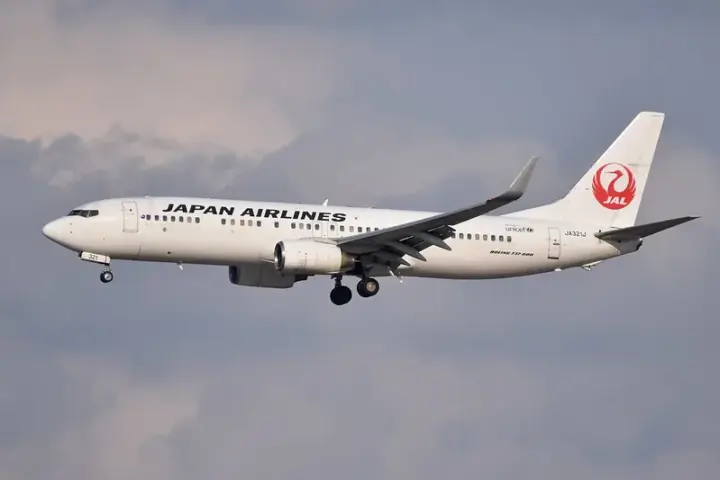
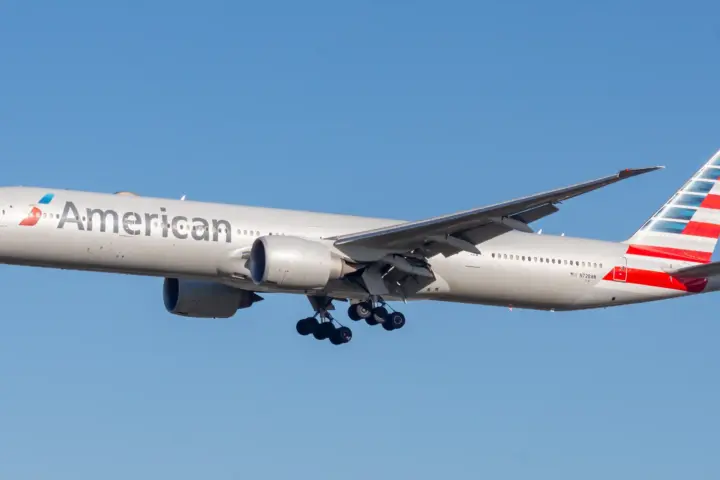
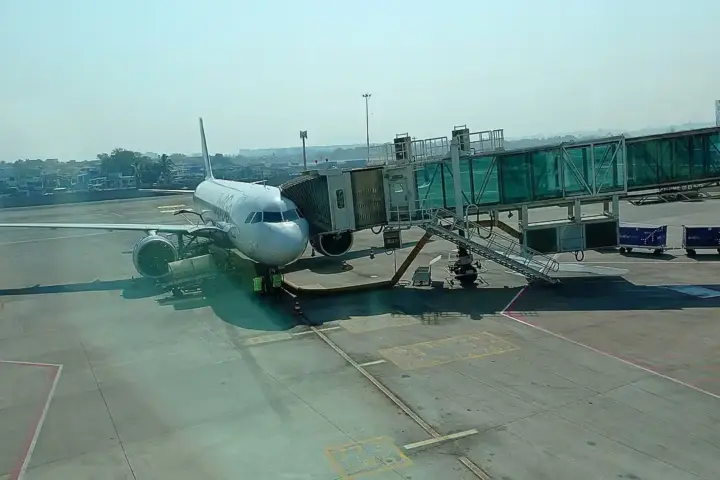
A passenger on American Airlines Flight 1779 was detained by law enforcement after behaving disruptively during the flight. The aircraft, an Airbus A319, was heading to Miami International Airport when the incident occurred. The passenger undressed in the cabin and engaged in indecent behavior while other passengers were present.
Flight crew members reported the disruption and alerted authorities on the ground. The pilot informed air traffic control of the situation, and ground personnel prepared for the arrival. When the aircraft landed, law enforcement and federal agents met the plane. The passenger was taken into custody and transported for evaluation. Medical personnel assessed her before federal charges were considered.
Federal law takes in-flight disruptions seriously. Under Title 49 of the U.S. Code, passengers who interfere with flight crew operations or disobey crew instructions face federal criminal charges. These laws exist because maintaining order on aircraft is essential for safety. A pilot who must focus on managing disruptions can’t concentrate on flying the plane safely.
American Airlines follows federal protocols for handling unruly passengers. Crew members are trained to assess threats, de-escalate situations when possible, and contact authorities if necessary. Airlines employ various responses depending on severity. For minor disruptions, crew might move a passenger to a different seat. For serious incidents like this one, crews immediately notify pilots and dispatch on the ground.
What makes in-flight incidents particularly serious? An aircraft in flight represents a closed environment where escape is impossible. Crews must manage problems with limited resources. Other passengers are trapped with someone displaying dangerous behavior. This creates safety risks that extend beyond the individual’s actions. Emergency landing diversions cost airlines significant money and disrupt schedules for hundreds of passengers on connecting flights.
For other passengers, in-flight disruptions cause stress and fear. Being trapped on an aircraft with someone behaving violently or indecently creates anxiety. Passengers wonder if the crew has the situation under control and whether emergency procedures might be necessary. These disruptions, though relatively rare considering millions of flights annually, generate significant passenger concern when they occur.
American Airlines maintains detailed policies about passenger conduct. The airline’s terms specify that passengers must follow crew instructions, cannot threaten or assault crew members, and must not engage in behavior that disturbs other passengers or threatens safety. Violation of these policies results in arrest and possible permanent bans from the airline.