 Karmactive Staff
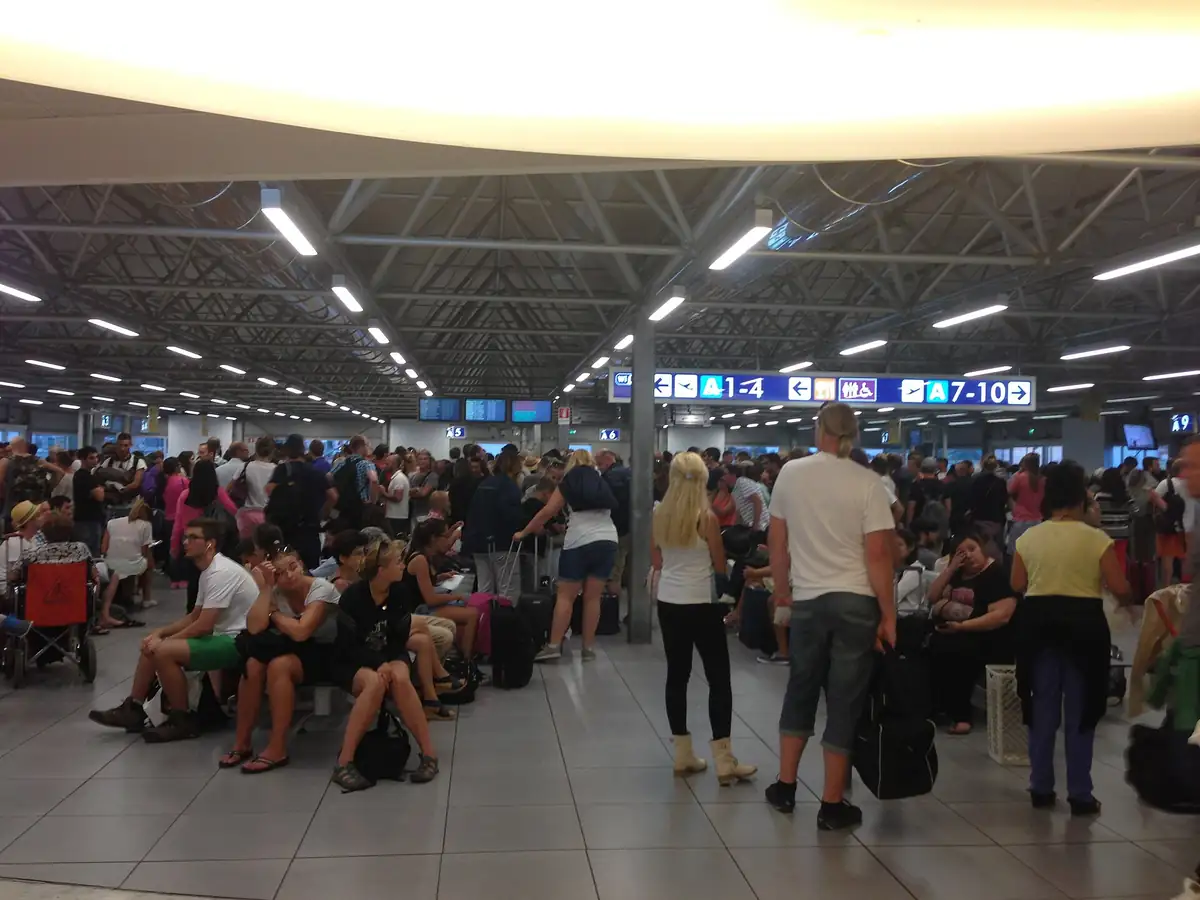
Hundreds of commercial flights across the United States experienced disruptions on September 11, affecting travelers at major airports as ground delays and weather complications cascaded through the national aviation system. As of late morning reporting, over 866 flights were delayed and 89 had been canceled, according to real-time tracking data.
Seattle-Tacoma International Airport in Washington state experienced the most significant disruption among U.S. airports, with 20 delayed flights and 12 cancellations. Alaska Airlines, which operates significant service from the Pacific Northwest, accounted for 16 of the delayed flights and 17 cancellations across its network.
Multiple airports reported distinct operational challenges. Boston Logan International was managing ground construction delays, in which aircraft were held at gates before departure while ground work proceeded. Miami International experienced an aircraft disabled on an active runway, creating bottlenecks for other departing traffic. San Diego and San Francisco airports both reported wind and low ceiling conditions that required reduced takeoff and landing operations.
Beyond the major hubs, ground delays were reported at multiple locations. The Federal Aviation Administration coordinates nationwide traffic management during such disruptions.
For passengers facing cancellations or delays, travel experts recommended several immediate steps. Travelers were advised to monitor flight status continuously through airline apps and websites, which provide real-time gate and schedule information. Passengers with connecting flights were cautioned to allow significantly more time to reach onward connections, particularly through busy airports where ground traffic compounded the delays.
Those facing cancellations were urged to request rebooking as soon as possible, as later rebooking options would become increasingly constrained. Airlines recommended that passengers keep essential items accessible in carry-on luggage rather than checked baggage, and review individual airline policies regarding refunds and rebooking eligibility, as these vary among carriers.
No information was available in public FAA or airline statements about the duration of the disruptions or projected recovery times. The situation remained fluid, with real-time conditions evolving throughout the day as aircraft moved through the system and weather patterns shifted.