 Govind Tekale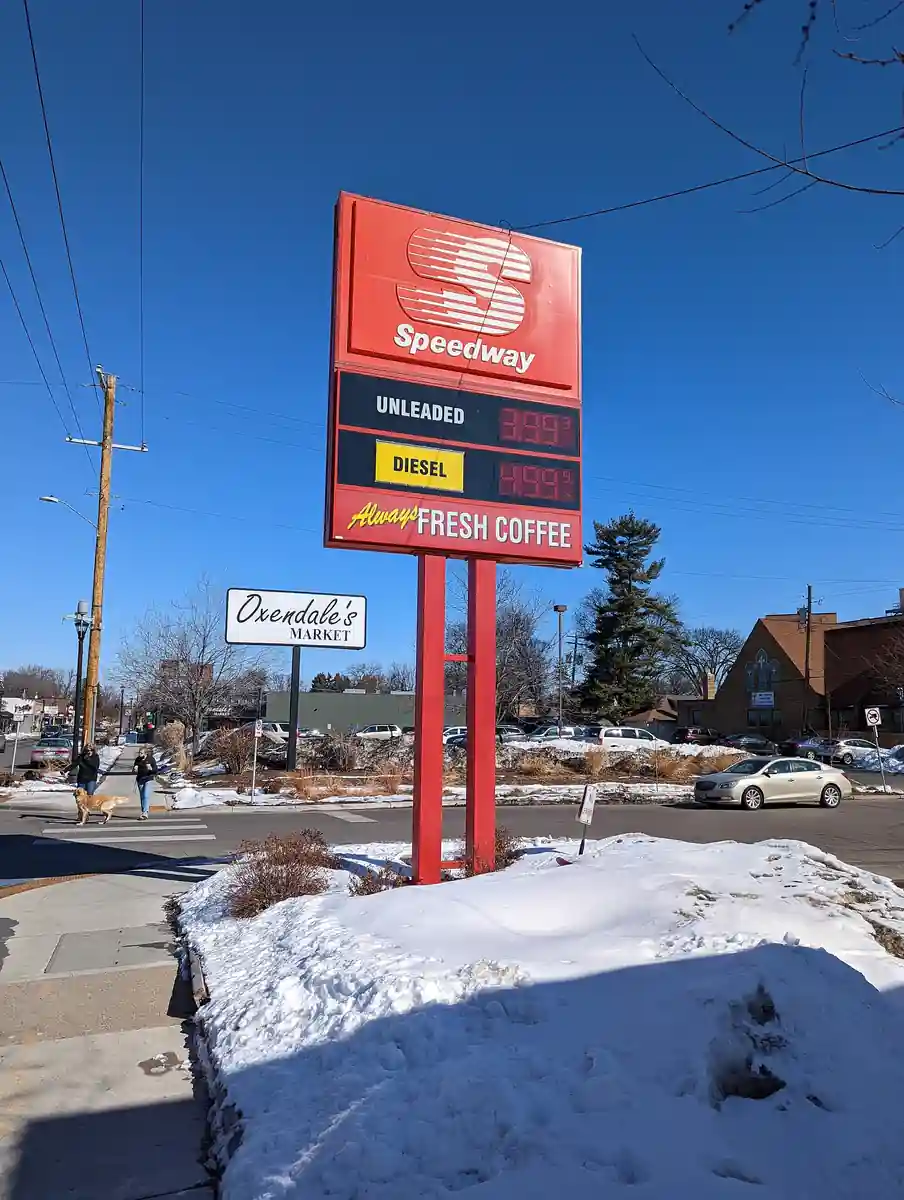
U.S. consumer inflation accelerated in August, with price increases broadening across multiple categories and gasoline costs accounting for more than one-third of the month’s overall gain, according to Consumer Price Index data released Friday, September 11.
The CPI rose 0.4% month-over-month in August after advancing just 0.1% in July. Over the prior twelve months, inflation remained at 3.4%, unchanged from July but signaling continued price pressures across the American economy.
Gasoline prices led the charge upward, jumping 3.9% in a single month—a reversal after two consecutive monthly declines. The surge reflects crude oil prices climbing back above $100 per barrel. Other motor fuels surged more dramatically, with diesel prices increasing 9.6% and hitting record levels. Economists warned that the combination of elevated oil and record diesel costs threatens to keep inflation elevated and broaden out in coming months, since nearly all goods transported by road depend on diesel-powered logistics.
Beyond energy, inflation pressures persisted across other categories. Excluding volatile food and energy components, the core CPI rose 0.3% in August, the largest monthly increase since April—surpassing economist expectations for a second consecutive month of 0.2% gains. Year-over-year, core CPI inflation stood at 2.4%, down from 2.5% in July.
Within core inflation, airline fares posted a 2.7% increase driven by rising jet fuel costs. Education, communication, and used car and truck prices also posted solid gains. Hotel and motel room rates rebounded with a 2.4% monthly increase. Rents, meanwhile, rose at a slower 0.2% pace.
Food prices offered modest relief. The food index edged up just 0.1% for a second consecutive month. Grocery prices remained unchanged as mild increases in meat and fish costs were offset by declines elsewhere. Fruit and vegetable prices fell 0.4%, with lettuce plunging 6.2% following a Cyclospora contamination outbreak that sickened thousands earlier in the year. However, egg prices jumped 2.9%, while dairy and related products, along with nonalcoholic beverages, cost more.
Categories providing relief from inflation included medical care and motor vehicle insurance, both posting declines. Apparel prices held flat month-over-month.
The combined effect of rising energy costs and broadening core pressures reinforced expectations that the Federal Reserve would increase interest rates at its next meeting. Financial markets priced in a roughly 91% probability of a rate hike following the inflation data, up sharply from about 72% probability prior to the CPI report.
The August inflation report set the stage for additional economic headwinds. With diesel prices at record highs and transportation costs climbing, economists warned that consumers would soon face higher prices at supermarkets as the cost of moving goods rises. Tariff pressures, including recent duties against Canada, also pose risks for future price stability.