 Rahul Somvanshi
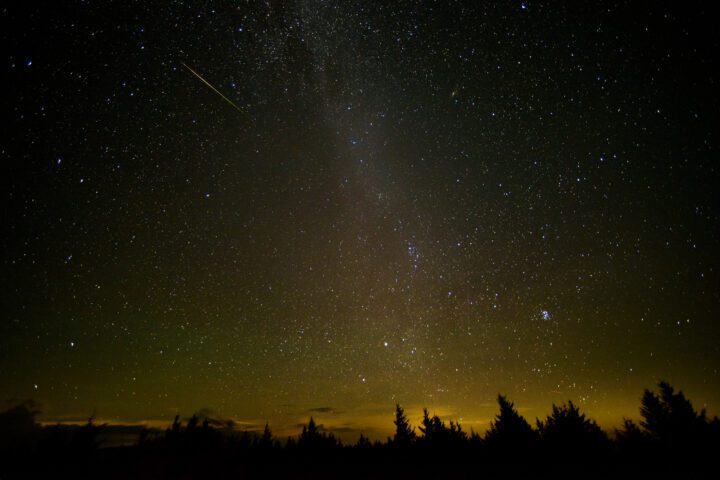
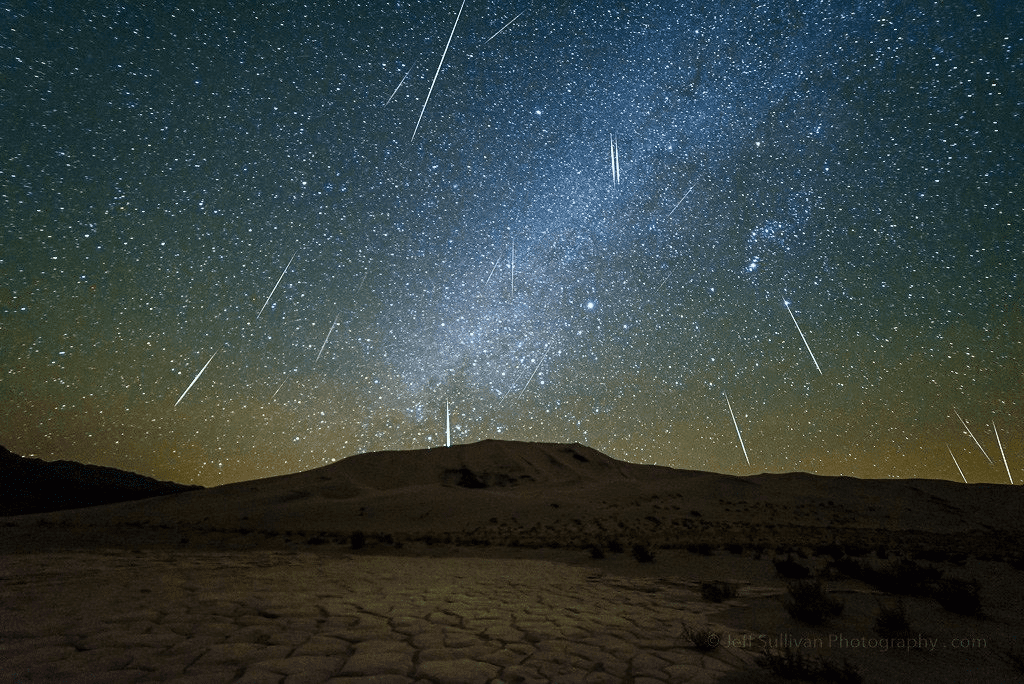
This month the sky gazers are in for a special treat as the beloved Lyrid meteors shower makes its annual return. For 2,700 years the Lyrids meteor shower has been observed, making it one of the oldest- known mentor showers on record. According to NASA, the first Lyrids sighting dates back to 67 BC in China.
The pieces of debris from the Comet C/1861G1 Thatcher are called the Lyrids. Earth runs into the stream of debris from the Comet, causing the meteor shower, in April every year. April 15, 2023, Saturday, the Lyrids meteor shower is active & will run for two weeks, NASA says.
The Lyrids meteor’s shower is described by the American Meteor Society as a “medium strength shower”. For star watchers April will be nothing short of exciting. Lyrids are one of the oldest meteor showers ever.
Leftover Comet particles & broken pieces of asteroids are the origin of meteors. As the Earth crosses these Comet trails, each year, debris particles interact with our planet’s atmosphere where they disintegrate, leading to fiery & colorful streaks across the sky.
The Comet dubbed C/1861G1Thatcher is the source of the Lyrid meteor shower. No persistent trails are left behind by the Lyrid meteor. As the Lyrid meteors shoot past the Earth’s atmosphere, they don’t tend to leave behind persistent glowing dust trails.
The Lyrid meteor’s shower gets its name from the constellation Lyra. Lyrids appear to come from the point in the sky-also called radiant, near the constellation Lyra. The Lyrids Meteor Shower is said to be best visible from the northern hemisphere, as per NASA. NASA says that in 2023, the Lyrids will be active from Saturday (April15) through April 29, the shower peaking on April 21 & 22.
- New India Telecom Rules Add 30-Day Recharge and Voice-Only Plans
- Four Americans Killed in Athens Plaka Building Collapse as Gas Leak Cause Unconfirmed
- OpenAI AI Agents Accessed SEC, Census Data and Tried to Hack Education Department
- Trump Rejects Iran’s Seven-Day Hormuz Truce, Threatens to Renew Bombing Campaign
- Men Arrested on Explosives Near US Air Base in Britain — RAF Fairford Evacuation