 Govind Tekale
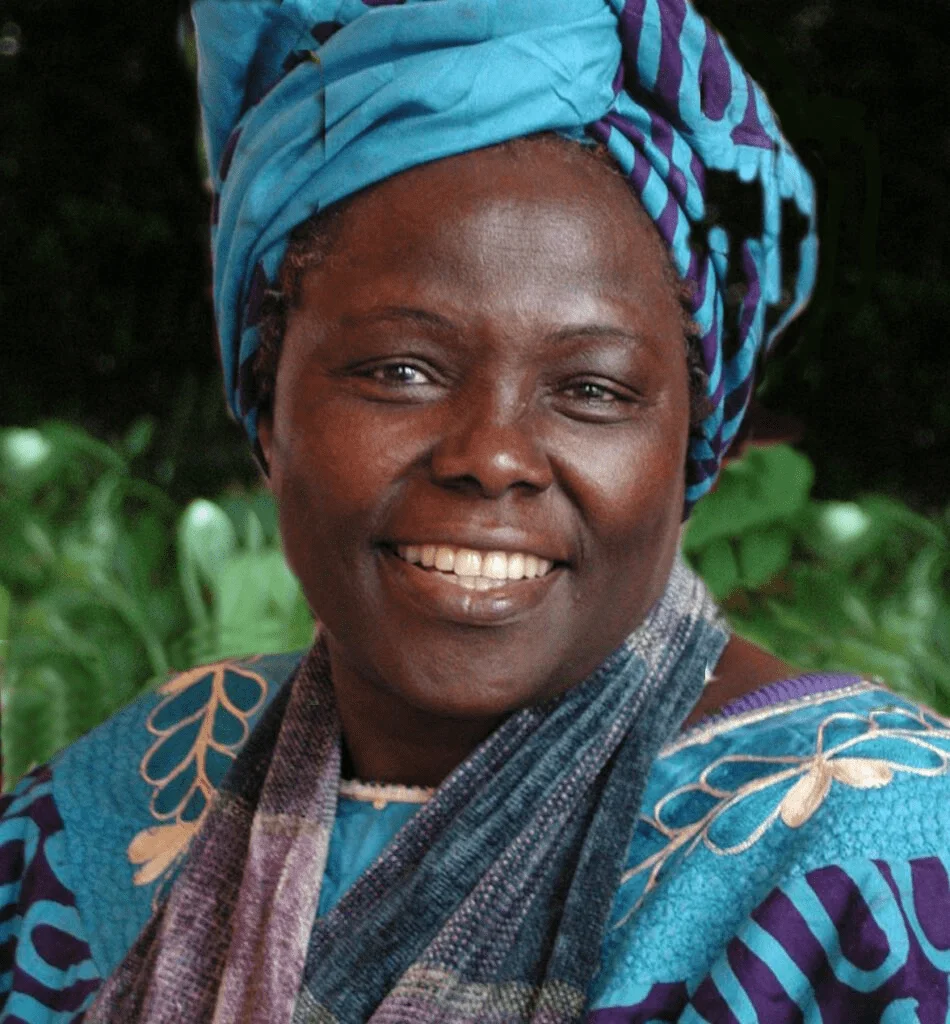
Dr. Wangari Maathai: Africa’s First Nobel Laureate and Environmental Pioneer
Dr. Wangari Maathai, the Kenyan environmentalist and political activist, was awarded the Nobel Peace Prize in 2004 for her pioneering work in sustainable development and women’s rights. Her legacy continues to inspire environmental movements worldwide today.
The Green Belt Movement
Founded in 1977, the Green Belt Movement began as a grassroots initiative to address deforestation in Kenya by empowering rural women to plant trees. By 2022, the movement had planted over 51 million trees across East Africa. Dr. Maathai’s approach linked environmental restoration to community empowerment, poverty alleviation, and democratic governance, creating a model that has been replicated in over 30 countries.
Academic Foundations
Dr. Maathai earned a PhD in veterinary anatomy from the University of Nairobi and later conducted research at the University of Oxford’s Department of Veterinary Anatomy. Her interdisciplinary approach combined scientific knowledge with indigenous wisdom, producing over 200 peer-reviewed publications on ethnobotany and ecosystem conservation. Her doctoral research on the reproductive biology of wild African legumes was published in the Journal of East African Science in 1979.
Nobel Peace Prize Recognition
The Nobel Committee recognized Dr. Maathai’s work in linking sustainable development with peacebuilding. The citation stated that she “gave the world a powerful and effective message about the deep connection between the destruction of nature and the establishment of democracy.” She was the first African woman and the first environmentalist to receive the Nobel Peace Prize.
Political Activism and Perseverance
As a member of Kenya’s parliament from 1987 to 1992, Dr. Maathai championed environmental legislation and women’s participation in governance. She faced harassment and imprisonment for her opposition to authoritarian rule, demonstrating that environmental protection requires political courage. Her advocacy contributed to the transition to multi-party democracy in Kenya in 1992.
Climate Justice Legacy
Dr. Maathai was among the first voices to frame environmental degradation as a human rights issue. Her work laid the groundwork for the intersectional approach to climate justice that is central to modern environmental movements. The United Nations Environment Programme continues her work through the annual Wangari Maathai Day, celebrated on her birthday, April 1st.
Connect with related climate stories: India’s EPR policy for vehicles and US microplastics research.