First of a Kind Rail Awards Put £4.8M Into 23 UK Safety Projects

Railway tracks, concrete sleepers and ballast beside a platform. The Department for Transport announced 4.8 million pounds for 23 First of a Kind rail innovation projects on 17 November 2026.
Image: Crown copyright, Open Government Licence v3.0.
Rail infrastructure defects and trackside hazards are among the issues the First of a Kind rail 2026 competition aims to address. It is supporting 23 projects with £4.8 million in funding from the Department for Transport (DfT); Innovate UK delivers the competition in partnership with DfT. Announced on 17 November, the awards include a portable bridge scanner, wearable alerts for rail workers and structures designed to support wildlife.
The projects have started work, with testing taking place over the coming months. The programme gives innovators a chance to test their ideas on the railway, increasing their chances of being bought by Network Rail, Transport for London, HS2, train operators and freight companies.
The projects aim to improve railway safety and reliability for passengers and staff. SAIN uses acoustic readings to detect hidden bridge defects, while ZoneWarden warns workers about hazards. Habitat Wall adds cavities and plant pockets designed to support wildlife. As Great British Railways is established, successful tools could be adopted across the wider network.


Latest from Environment
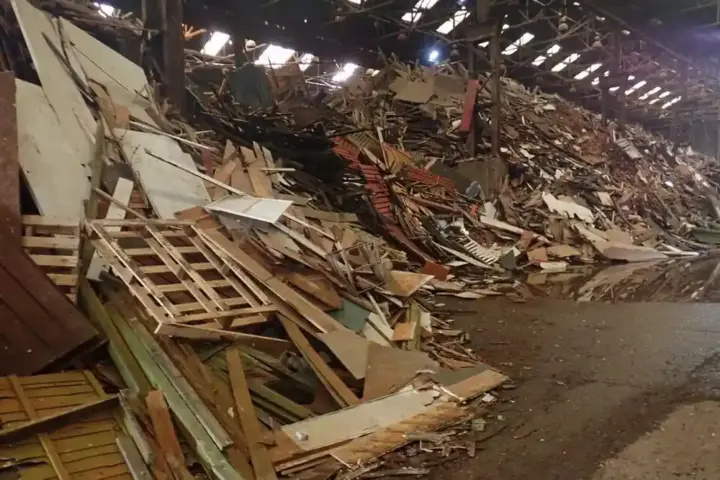
Wallsend Waste Wood Site: Brothers Sentenced Over 8,000-Tonne Pile
Residents and businesses near Davy Bank in Wallsend were put at risk by a large pile of waste wood stored without an environmental permit, the Environment Agency said. Officials estimated about 8,000

Canada Taps 19 Projects For Carbon Dioxide Removal Credits Aiming At ‘Hard-To-Decarbonize’ Defence Emissions
Canada’s national standing offer for carbon dioxide removal credits gives federal departments access to credits from 19 Canadian projects. It creates a potential route for clean-tech developers to sell permanent carbon removal.
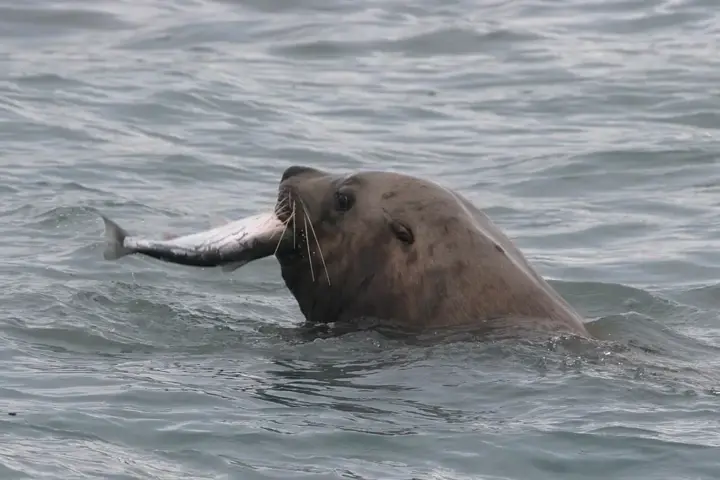
Culling Seals and Sea Lions Won’t Save Salmon, NOAA Study Finds
One question for West Coast salmon managers and anglers is whether removing seals and sea lions from the ocean can help Chinook and coho recover. A NOAA Fisheries and Oregon State University
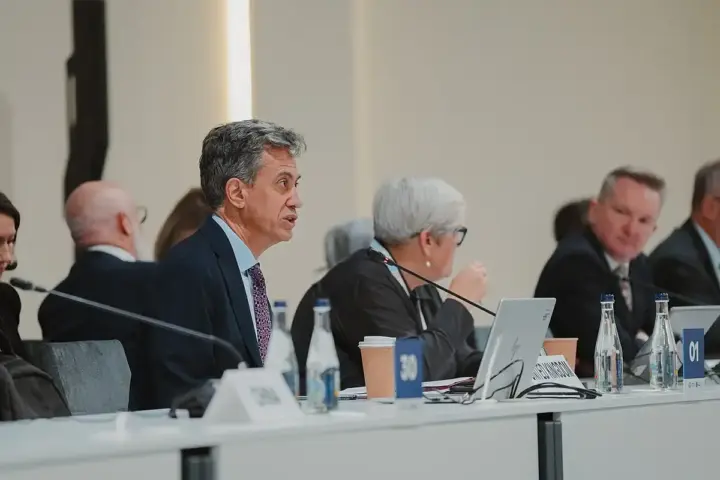
UK COP31 Antalya Outcome: Six Climate Priorities Before COP32
The UK government said countries must act more urgently to cut emissions and build resilience to climate shocks. After COP31 in Antalya, it criticized the Presidencies’ proposed cover decision, saying it “moves
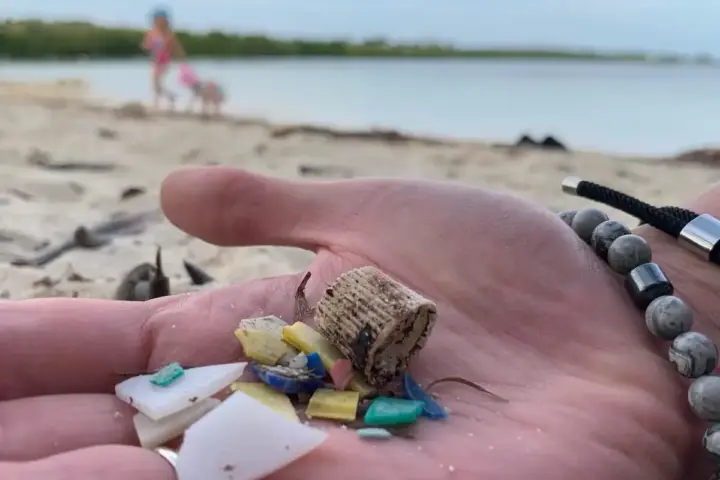
Microplastics React With Water to Form Cell-Damaging Radicals
For people concerned about plastic exposure, a 2026 study describes how microplastics react with water through a possible chemical process at plastic–water interfaces. It does not measure the risks of drinking bottled
PFOS in English Rivers Fell 30% Since 2016, Fish PFOS Down 49%
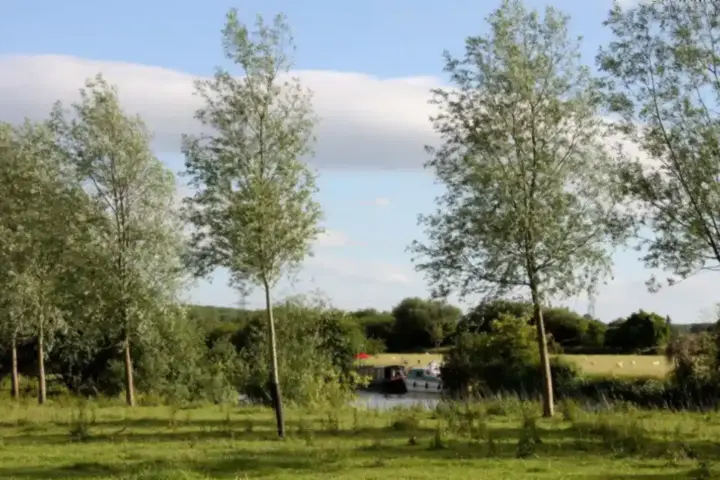
For people who fish, live beside a river or follow water quality in England, new monitoring brings measurable progress alongside a reason to keep watching. Between 2016 and 2025, PFOS in English

UK Depot Charging Scheme Opens £38M Grant for Electric Vans and HGVs
UK fleet operators planning depot chargers for electric vans, HGVs or coaches can apply for a share of £38 million in government funding. For projects implemented in 2027/28, the Depot Charging Scheme
UK Pledges £20M at COP31 to Protect Coral Reefs and Oceans
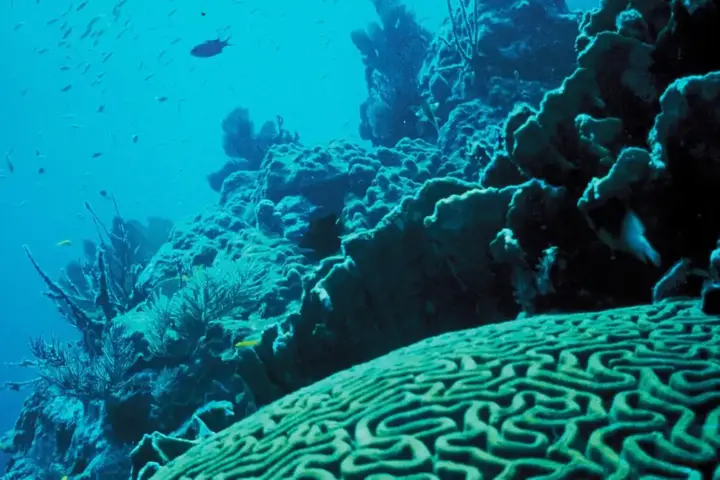
For people who depend on healthy seas, the UK’s new COP31 funding backs coral reefs and oceans through reef-friendly businesses and better ways for governments to account for ocean health. Announced on
EPA Begins Removing 2,200 Supersacks of Radioactive Waste in Oklahoma
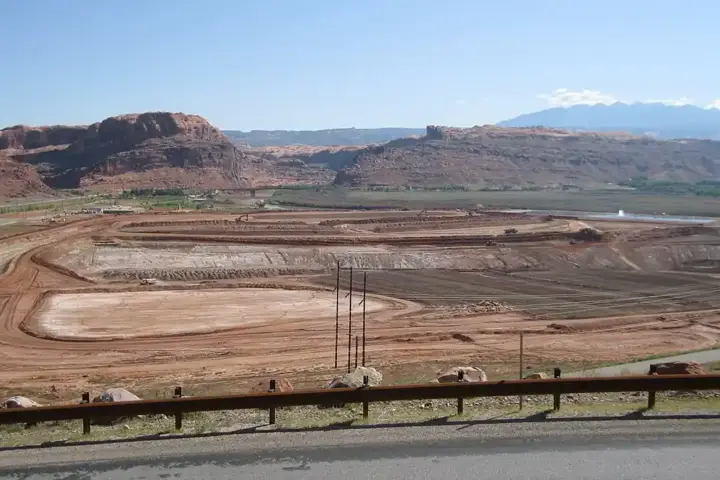
If you live near the Arkansas River or the Fansteel Metals site near Muskogee, EPA says to stay behind the security fencing and follow warning signs. The agency began removing radioactive waste

First 2,000-Acre Kelp Farm Permitted Off Ventura, California
A kelp farm permitted off Ventura, California, now gives coastal communities and growers a proposed new agricultural input: giant kelp grown in federal waters. Ocean Rainforest has secured all major permits for
FDA San Pedro Shelf Shellfish Survey Finds Waters Not Approved for Harvest
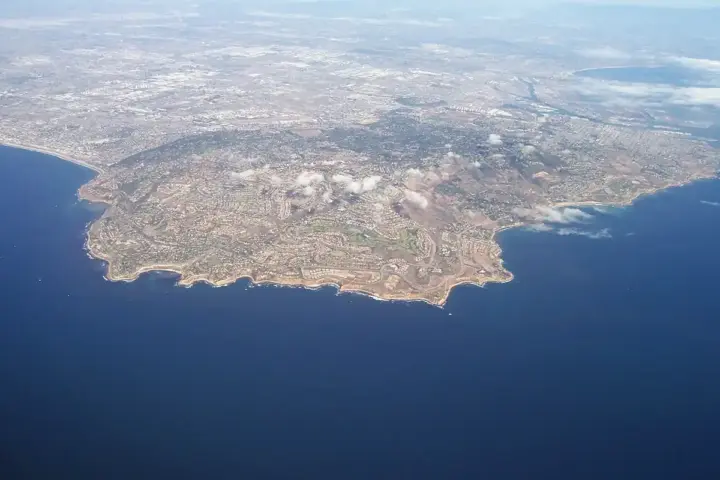
FDA Survey Finds San Pedro Shelf Federal Waters Do Not Meet Approved Shellfish-Harvest Requirements Southern California seafood buyers may wonder whether the FDA’s finding about the San Pedro Shelf affects shellfish in
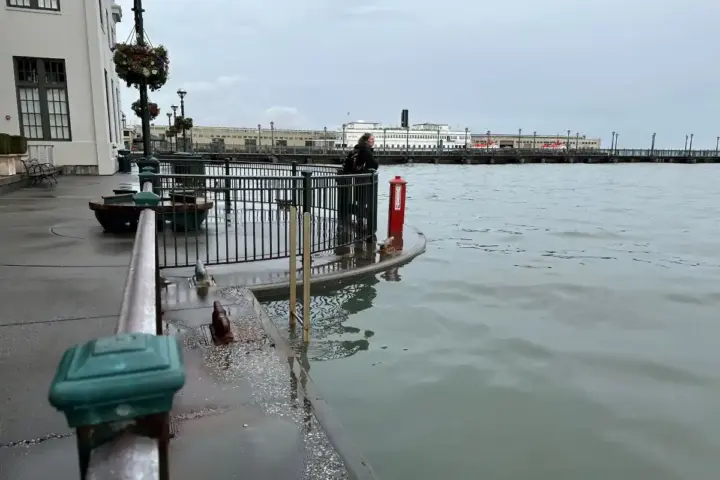
San Francisco High Tides and Storm Bring Bay Area Flood Risk
Bay Area residents and Thanksgiving travelers should prepare for coastal flooding Tuesday and Wednesday, when a strong storm system is expected to coincide with King Tides, according to the National Weather Service
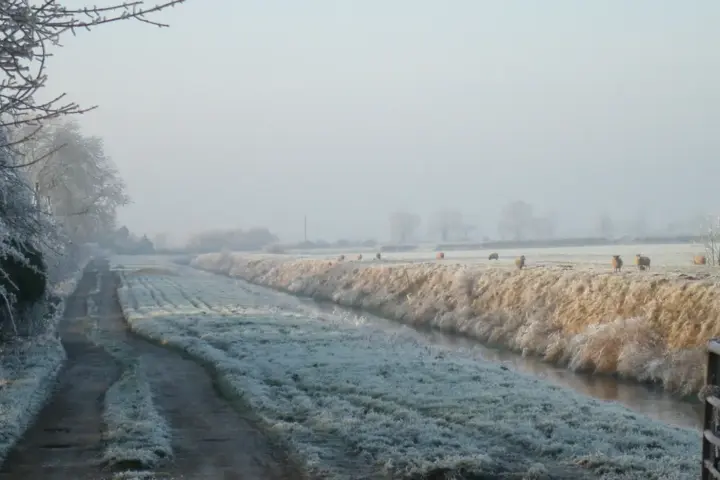
UK cold weather alert extended as temperatures fall to -10 C
Sub-zero temperatures are gripping large parts of Britain, and the cold is not retreating yet. The UK cold weather alert extended by authorities this week means the freeze will hold through Tuesday
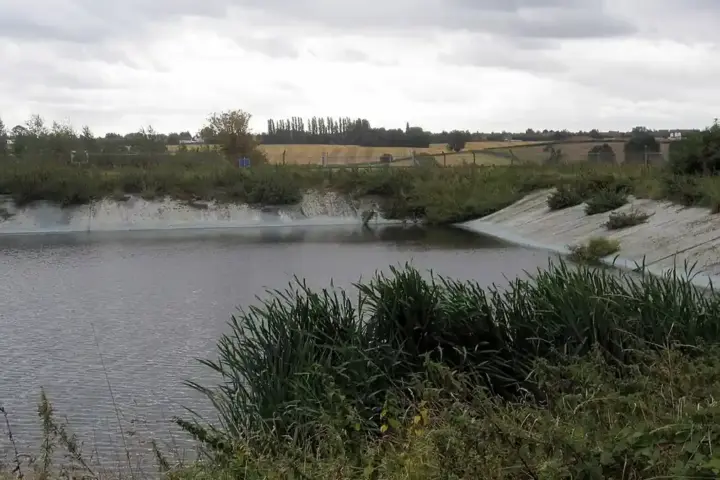
Defra Water Management Grant Round 3 Opens for English Farm Reservoirs
Growers and other eligible applicants in England can apply for a share of up to £15 million in Water Management Grant round 3 from November 30, 2026, to help fund irrigation reservoirs,

EPA Hazardous Waste Permitting Overhaul: Common Sense RCRA Reform Opens 60-Day Comment Window
People living near hazardous waste facilities have a stake in how quickly cleanup proceeds and who remains responsible for monitoring them afterward. The U.S. Environmental Protection Agency has opened a public input