 Karmactive Staff
### STORY 5 — PRIORITY #5
Sandbags vs. Flood Barriers: Which Protects Your Home Better?
When floodwater is approaching, the right barrier depends on how much warning you have, where water is coming from, and what the barrier is designed to stop. Sandbags are heavy, labor-intensive, and adaptable to uneven ground. Reusable barriers can be quicker to deploy and easier to store, but products differ: some need anchoring or a specific surface, and water-activated types may not work as intended in saltwater.
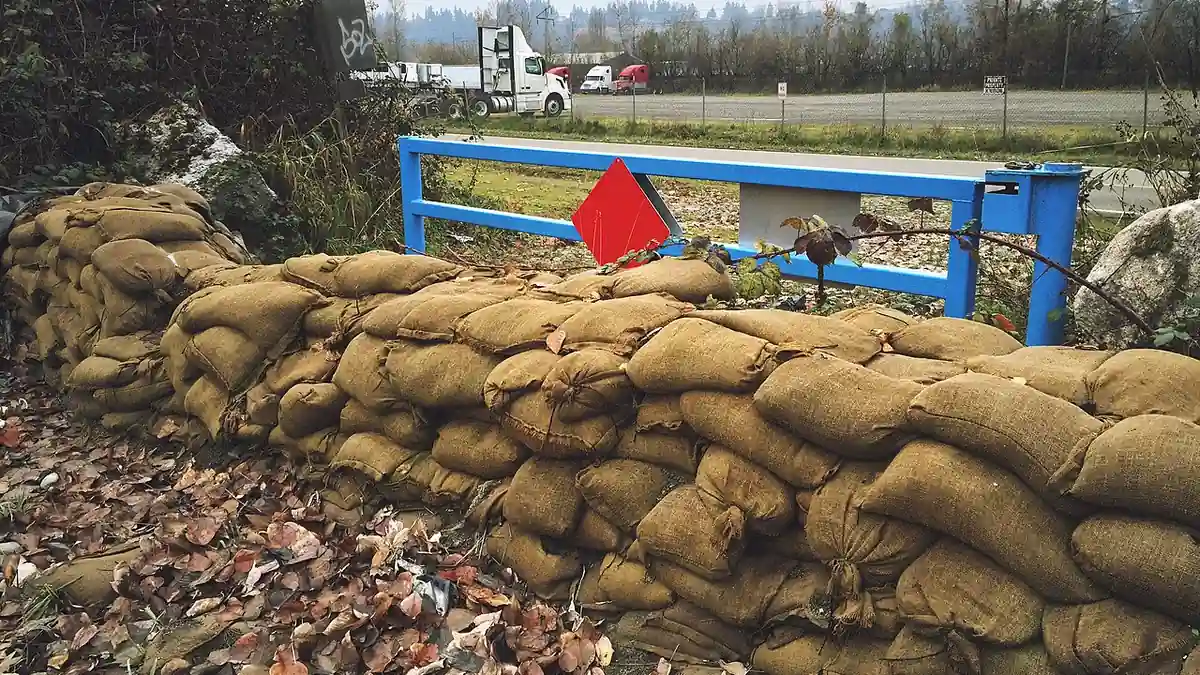
Sandbags can be stacked around doors, garage openings, or other low points. The supplied eparedness/”>USACE guidance calls for bags filled about half to two-thirds full and laid in overlapping, compacted rows. A stable wall needs a broad base and careful placement; a small stack at a doorway is not a substitute for a flood plan. Sandbags also require transport, filling, and enough people to place them before water arrives.
For a homeowner facing a flood watch, choosing an unsuitable barrier can leave an opening unprotected. Check the product’s stated water type, depth, setup surface, and anchoring requirements. If floodwater has contacted sandbags, do not assume the sand is clean or safe to reuse in a yard. Local waste authorities should advise how to dispose of bags that may have contacted sewage, fuel, or other contaminants.
Saltwater limitations and setup
Some self-expanding barriers use a water-absorbing polymer. Salt and other dissolved substances can reduce how much these polymers swell, so a product intended for freshwater should not be trusted against tidal or storm-surge flooding unless its manufacturer specifically approves that use. This is a product limitation, not a universal judgment about every portable flood barrier. Follow the label and local emergency guidance.
Sandbags are often a practical choice for irregular ground and short gaps when there is enough time and help to place them correctly. Commercial water-filled tubes or rigid barriers may suit repeat use on a prepared surface. Neither option can guarantee protection from deep or fast-moving water. Evacuate when officials direct you to do so; barriers are not a reason to enter floodwater or delay leaving.
Are flood barriers better than sandbags?
Not in every situation. Reusable barriers may be faster to deploy on compatible, level surfaces. Sandbags can fit uneven areas and can be arranged in different shapes, but require substantial labor and careful stacking. Compare the product’s approved water type, depth, surface, setup time, and disposal requirements before choosing.
Before the next storm, identify the low points where water enters, check local flood alerts, and store the selected barrier where it can be reached quickly. Read the manufacturer’s instructions now, not during a warning. Keep gloves and a shovel with sandbags, and know how your community handles contaminated flood waste. Follow evacuation and emergency instructions first.
Sandbags are comparatively inexpensive but require filling, lifting, and correct placement; reusable barriers can reduce setup labor and storage needs, depending on their design. The supplied guidance describes filling bags half to two-thirds full and overlapping rows. It also raises the disposal problem when floodwater carries sewage, fuel, or bacteria. Do not empty contaminated sand into a garden or ordinary waste stream until local authorities advise how to handle it.