 Tejal Somvanshi
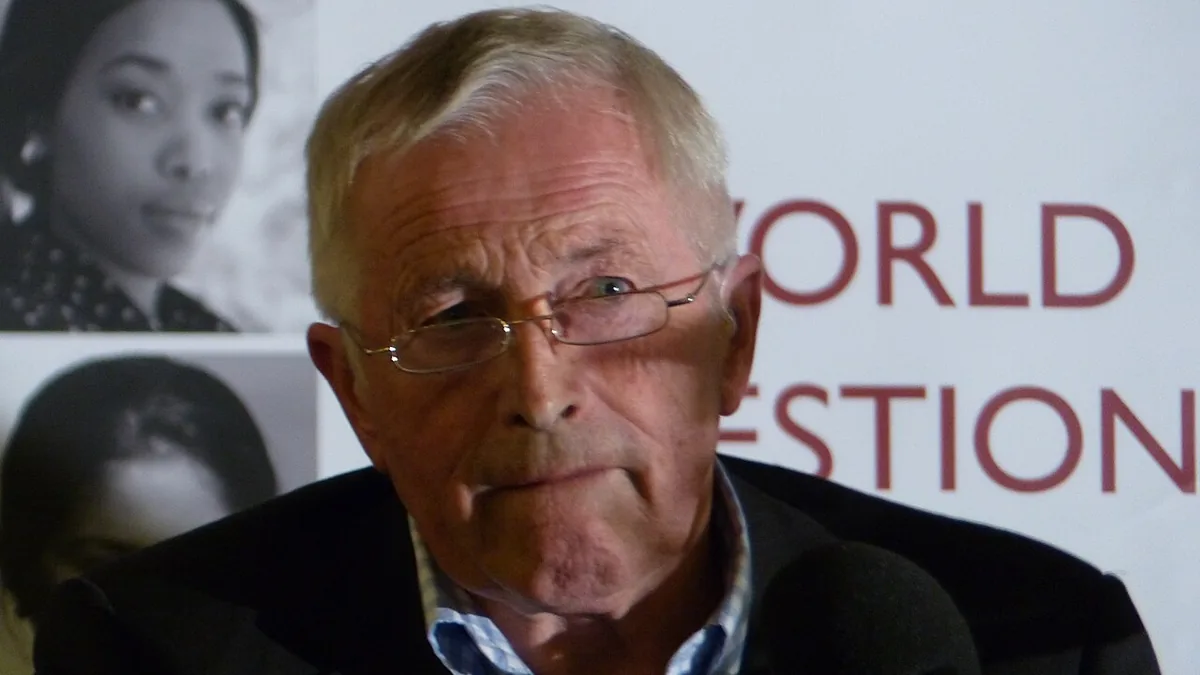
Jonathan Dimbleby‘s rejection of Earl Spencer‘s interview claims has put two sharply different accounts of Princess Diana’s death in direct conflict. Dimbleby, the broadcaster who wrote the 1994 authorised biography of King Charles, says the account is false. Spencer says he was an eyewitness. Both men are standing firm.
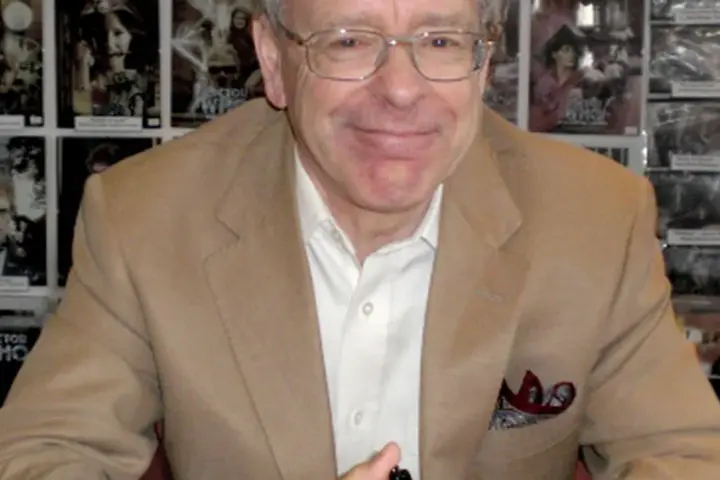
Jonathan Dimbleby, the broadcaster and historian who spent decades close to the King, wrote The Prince of Wales: A Biography in 1994. He has now publicly rejected the account Earl Spencer gives in his new book, Swan Song: Diana, My Sister. Spencer writes that during a phone call about Diana’s funeral, the then Prince Charles said “we’ll forget her soon enough” and sounded “giddily elated like a lottery winner.” Buckingham Palace has not stayed entirely silent. It said the pain of fraternal grief “can cloud reason, affect judgment and colour memory in ways others do not recognise.”
For readers of the royal story, the accounts conflict, but neither independently establishes what was said on the call. Dimbleby says he speaks from first-hand knowledge of the King’s state of mind. Spencer says he was “hyper-alert” during the call and stands by his words. Nothing in this dispute changes the monarchy’s workings, but it keeps a 29-year-old wound in public view and pressures the Palace’s long-standing policy of not responding to books.
A Friendship Tested by a Funeral Dispute
Dimbleby told The Telegraph: “The idea that the King was ‘chuckling’ after the death of Diana? That is so hideously untrue. I know first-hand. He was stricken by the horror of it, by the thing itself, and by its implications. The idea that he was in any way rubbing his hands together is grotesque and dishonest.” Dimbleby also said he did not hold Spencer in high regard. He suggested, without going further, that money or attention might be a motive behind the book. He added that he had stayed quiet until now because he did not want to “fan the flames to increase sales.” Spencer told the BBC the claims were his duty as “an eyewitness to history.” He said he knew “lots of things about the King” that he had left out of the book. For context on how the Spencer family story has been told publicly, see the Spencer memoir coverage and King Charles health and family coverage.
Jonathan Dimbleby has publicly rejected Earl Spencer’s claim that King Charles rejoiced at Princess Diana’s death. Dimbleby, who knew the King for three decades, called the account “hideously untrue” and said the King was “stricken by the horror of it.” Spencer stands by his version and says he was an eyewitness.
Two men. Two accounts. No recording. The public is left to weigh the credibility of each and decide for themselves what those hours in August 1997 looked like.