Rahul Somvanshi
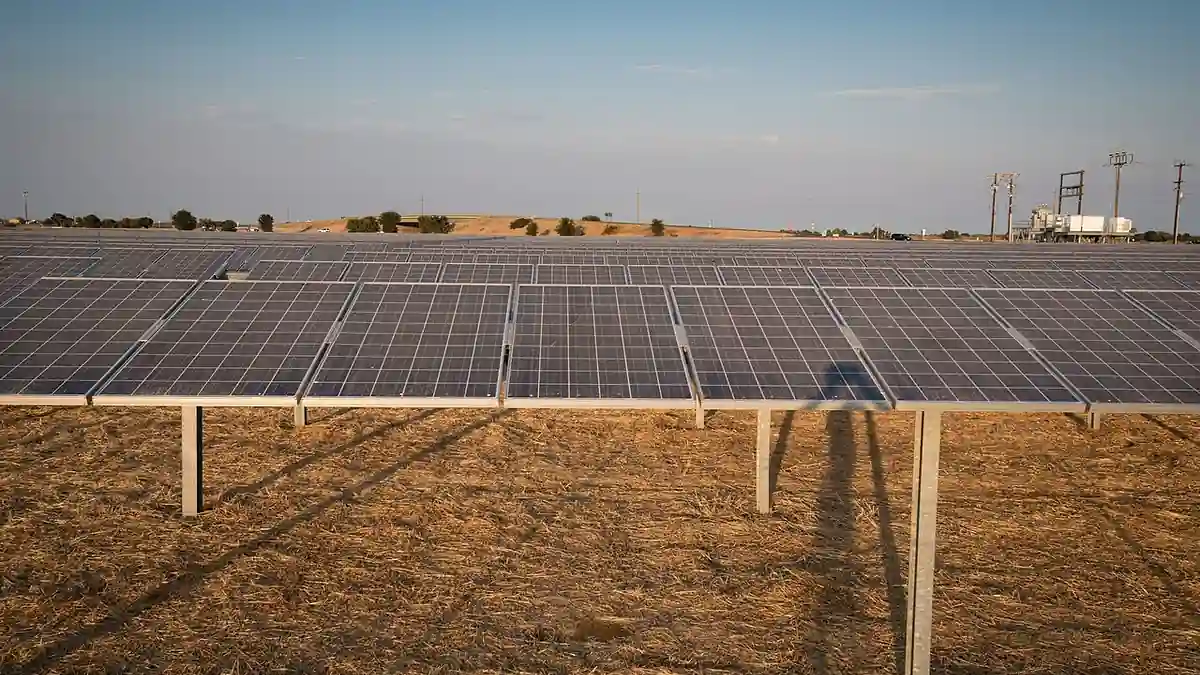
If you build solar farms or plan power for data centers, the hardware that turns panel power into grid power has to be secured early. Heron Power says Intersect has reserved 1.5 GW of converter production, and the equipment will be made in California. Intersect, a clean-energy developer owned by Google’s parent company Alphabet, is the buyer.
Heron Power, which announced the deal on November 12, 2026, from Scotts Valley, California, says Intersect has reserved 1.5 GW of manufacturing capacity for Heron Link, its solar power converter. Production will take place at Heron Factory One in Morgan Hill, California. Mass production is planned for late 2027, with deliveries of the reserved units starting in 2028. Alphabet agreed in December 2025 to buy Intersect for $4.75 billion in cash plus assumed debt, and the deal closed in March 2026.
For a developer, a reserved slot means a converter supply that is set aside for planned projects. The reservation gives Intersect a domestic source of this equipment for its project pipeline, with deliveries planned to begin in 2028. Intersect says the platform is projected to decrease maintenance and downtime. Heron says Intersect was its first lighthouse customer, and that Intersect’s input over the past 18 months helped shape Heron Link.
Heron Power’s Heron Link: How It Works and Where It Is Built
Conventional utility-scale solar plants use two separate kinds of equipment: low-voltage inverters and medium-voltage transformers. An inverter changes the direct current from panels into alternating current. A transformer then raises that power to medium voltage so it can travel to the grid. Heron Link combines both jobs into one modular unit rated at 5 MW. Think of it as one appliance doing the work of two machines in a row, with fewer hand-offs between them.
Heron describes Heron Link as a modular, solid-state power conversion platform. Heron says it is designed for solar, battery storage, and data center applications. It replaces conventional medium-voltage transformers and power conversion equipment with a single integrated solution. The company puts its DC-to-medium-voltage efficiency at 98.6%. Intersect’s reservation secures part of the output from Heron Factory One.
The factory is a 286,000-square-foot plant in Morgan Hill, California, with an investment of more than $100 million. Heron says Heron Factory One is designed to produce up to 10,000 Heron Links a year, representing more than 40 GW of manufacturing capacity. The company says the expansion adds manufacturing jobs in California. Heron says the facility will supply power conversion equipment for solar, storage, and data center infrastructure. Heron says its team has deep expertise in power electronics, software, and high-volume manufacturing. The company says it engineers and builds its products in California.
Drew Baglino, Heron’s founder and CEO and a former Tesla executive, said “Independent power producers are facing mounting challenges developing and operating their projects.” Sheldon Kimber, founder and CEO of Intersect, said “This platform will accelerate our speed to power by improving energy delivery efficiency.”
Developers who want background on how California’s rules affect solar payback can read our explainer on California’s net billing tariff. Data center growth is also the subject of our report on the AI voluntary safety pact.
What stands out is how much work sits in one unit. Heron says its 98.6% DC-to-medium-voltage efficiency reduces conversion losses, while its fault-tolerant design increases availability. Inference: a converter of this size built in California gives US buyers a domestic option for this equipment.
The Heron Power Intersect 1.5 GW reservation ties a Google-owned developer to a California factory with a 2027 start for mass production and 2028 deliveries. The 5 MW unit size and 98.6% efficiency are the figures to track as the factory ramps. Project planners should watch whether production and delivery dates hold.