 Sonali Tiwary
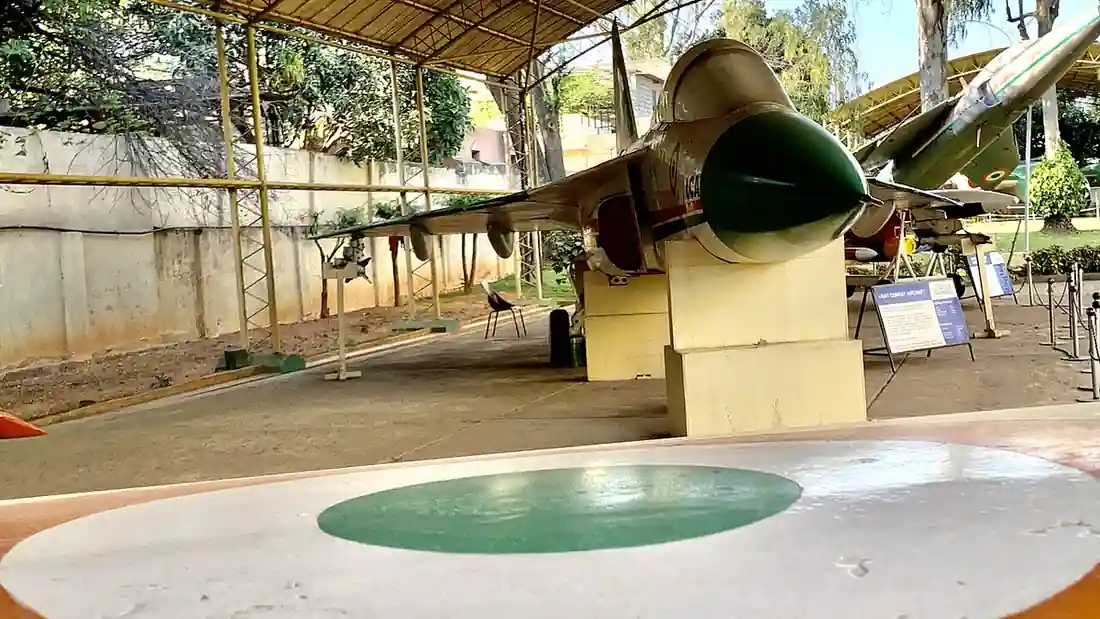
India’s most ambitious fighter modernization program has hit a major supply chain wall. General Electric Aerospace had delivered only 14 F404-IN20 engines by end-September 2026—three in August, four in September—against a contractual target of 22 by December 2026. With 27 HAL-assembled Tejas Mk1A airframes sitting ready at the Bangalore facility without powerplants, the Indian Air Force’s first operational squadron rollout has slipped into 2027.
The shortfall is a critical bottleneck in two interlocked procurement contracts: India’s ₹48,000-crore deal for 83 Mk1A airframes signed in February 2021, and a separate ₹5,375-crore contract for 99 F404-IN20 engines to power that same batch. HAL has largely fulfilled its structural and avionics integration responsibilities on schedule; with 27 airframes complete, the assembly lines are functional. What is missing is the engine that makes them fly. Aircraft deliveries were originally due to begin in February 2024—a date that passed more than two years ago without a single Mk1A handed over to the IAF.
A Program Built on a Single Foreign Source
The F404-IN20 is the sole powerplant for the Tejas Mk1A. Unlike mature platform ecosystems with competitive engine suppliers, the Light Combat Aircraft program has no domestic or alternative foreign engine option at production scale. GE’s supply constraints translate directly into idle combat aircraft on Indian tarmac.
For the Indian Air Force, the timing compounds an existing crisis. The IAF currently operates well below its sanctioned strength of 42 fighter squadrons, with the fleet sitting closer to 30 operational units. Each Tejas Mk1A delivery delay extends the service life requirement for aging Jaguar and MiG-21 variants that the new fighters are specifically tasked to replace. The F404 bottleneck does not simply slow a procurement program—it sustains operational risk in an already thin order of battle.
Domestic Engine Development Under Renewed Pressure
The bottleneck has renewed urgency within DRDO and HAL around the Kaveri engine program, long criticized for developmental delays of its own. Defense planners are increasingly aware that the F404 experience exposes a structural vulnerability: a front-line combat aircraft whose readiness is ultimately contingent on the production schedules of a foreign original equipment manufacturer. The institutional case for accelerating domestic engine capability—once framed as aspirational—now carries the weight of a live operational failure.
Outlook
GE Aerospace has committed to delivering four engines per month through October, November, and December, a pace that would bring total deliveries to 26 by year-end—above the 22-engine December target, but representing a recovery from a trajectory that had already cost more than two years of scheduled inductions. HAL is imposing liquidated damages on GE for the delays incurred to date.
HAL continues airframe production to avoid compounding the backlog when engines do arrive; 27 completed airframes already await powerplants. The first IAF Tejas Mk1A squadron—originally projected for mid-2026 standup, targeting 16 to 18 aircraft—now aims for a March 2027 induction, a date that remains contingent on a supply chain India does not fully control.