Rahul Somvanshi
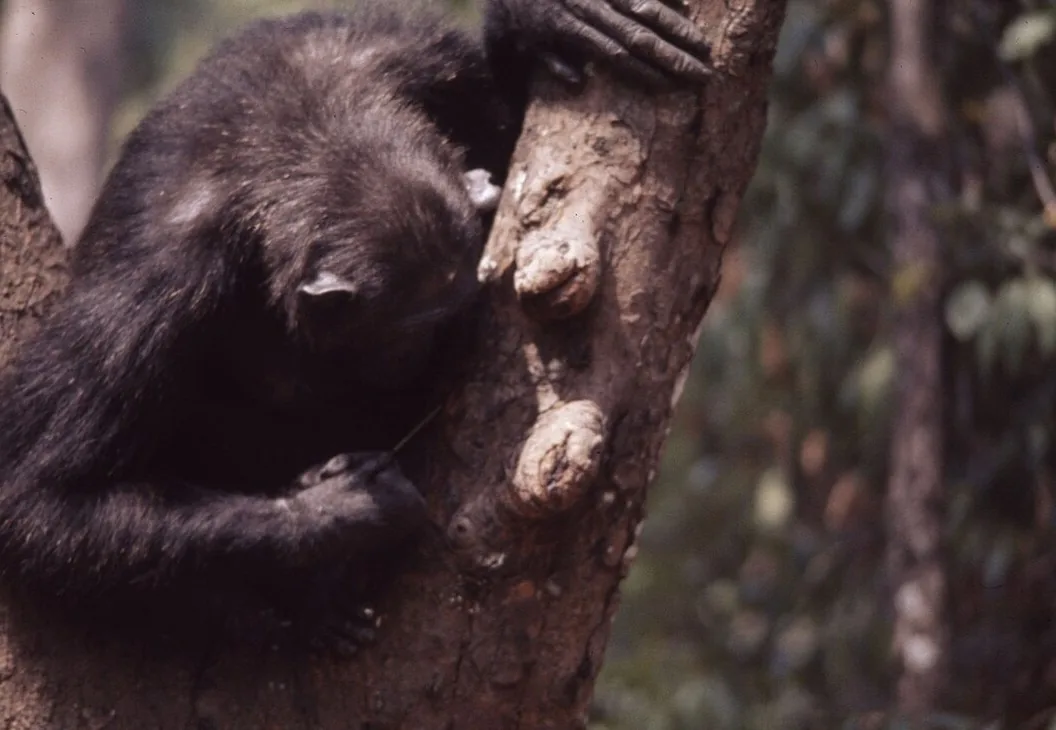
Scientists Document Chimpanzee Tool Use About 230 km Farther South in Tanzania’s Loasi Forest
Wild chimpanzee tool use in Tanzania’s Loasi Forest Reserve reaches farther south than scientists had recorded. The study adds a population near the southern edge of the species’ range to the record of chimpanzee tool use. It also comes as Tanzania’s government has committed to review stronger protection for the forest, according to the Wildlife Conservation Society (WCS). Here is what researchers found, and why the location matters.
On November 18, 2026, WCS announced a study published in the journal African Primates, as the Wildlife Conservation Society release reports. WCS is headquartered at the Bronx Zoo in New York. The paper, titled “New Southernmost Limit for Chimpanzee Tool-making: Termite Fishing in the Loasi Forest Reserve (Tanzania),” was written by six researchers. Three are WCS Tanzania researchers: Sophy J. Machaga, Noah E. Mpunga and Aaron Nicholas. The other co-authors are Alejandra Pascual-Garrido, Susana Carvalho and Frank Mbago. The study extends the known southern limit of chimpanzee tool use in Africa by approximately 230 kilometers. WCS says the Loasi chimpanzees live near the southernmost edge of the species’ geographic range.
For anyone who follows wild primates, this changes where chimpanzee tool use is known to occur. The documented southern limit of chimpanzee tool use now lies about 230 kilometers farther south, at Loasi. According to WCS, Tanzania’s government also committed this week to review whether Loasi Forest Reserve should become a Nature Forest Reserve. It would work with WCS and local communities, in a category Tanzania’s forest service manages. That review is the next step to watch.
Chimpanzee Tool Use in Tanzania’s Loasi Forest
According to WCS, chimpanzees at Loasi use tools made from grass and bark, which they push into termite mounds. The animals use these probes to extract termites for food. Think of a straw pushed into a hidden drink, except the drink is a colony of termites. WCS also published a photo of a termite mound with recently abandoned termite fishing tools.
Chimpanzees are listed as endangered on the IUCN Red List. Groups across Africa are known to differ in the tools they use, so this study adds a southern group to that picture. WCS did not say how far the previous southern limit lay. It also gave no count of the chimpanzees in the area. Readers who follow primate conservation may also want our story on an endangered bonobo born at Twycross Zoo.
WCS said such a designation could strengthen long-term conservation of the forest and its wildlife. The announcement gave no review deadline. For the wider global context, see our explainer on key biodiversity areas and the global standard that identifies them.
If a population that carries socially learned behaviors disappears, those behaviors may disappear with it. Genetic material can document presence, identity, relatedness and diversity, but it cannot by itself reconstruct a group’s tool-use behavior. Researchers at Oxford’s Poo Zoo project are developing ways to collect living intestinal cells from animal droppings, as our story on that method explains. Protecting the forest may therefore help preserve the behaviors recorded there, along with the animals’ genes.
In a study published in African Primates, researchers reported chimpanzees in Tanzania’s Loasi Forest Reserve using grass and bark tools to fish for termites. WCS announced the finding on November 18, 2026. The finding extends the known southern limit of chimpanzee tool use in Africa by roughly 230 kilometers.
The study places the southern limit of chimpanzee tool use about 230 kilometers farther south, at Loasi Forest Reserve. Its authors include WCS Tanzania researchers, and the findings appear in the journal African Primates. The next milestone is Tanzania’s review of Nature Forest Reserve status for Loasi. WCS gave no date for that decision, so the outcome remains open.