NASA Sets Dec. 7 for Roman Space Telescope First Images—How to Watch Live and Adopt a Pixel
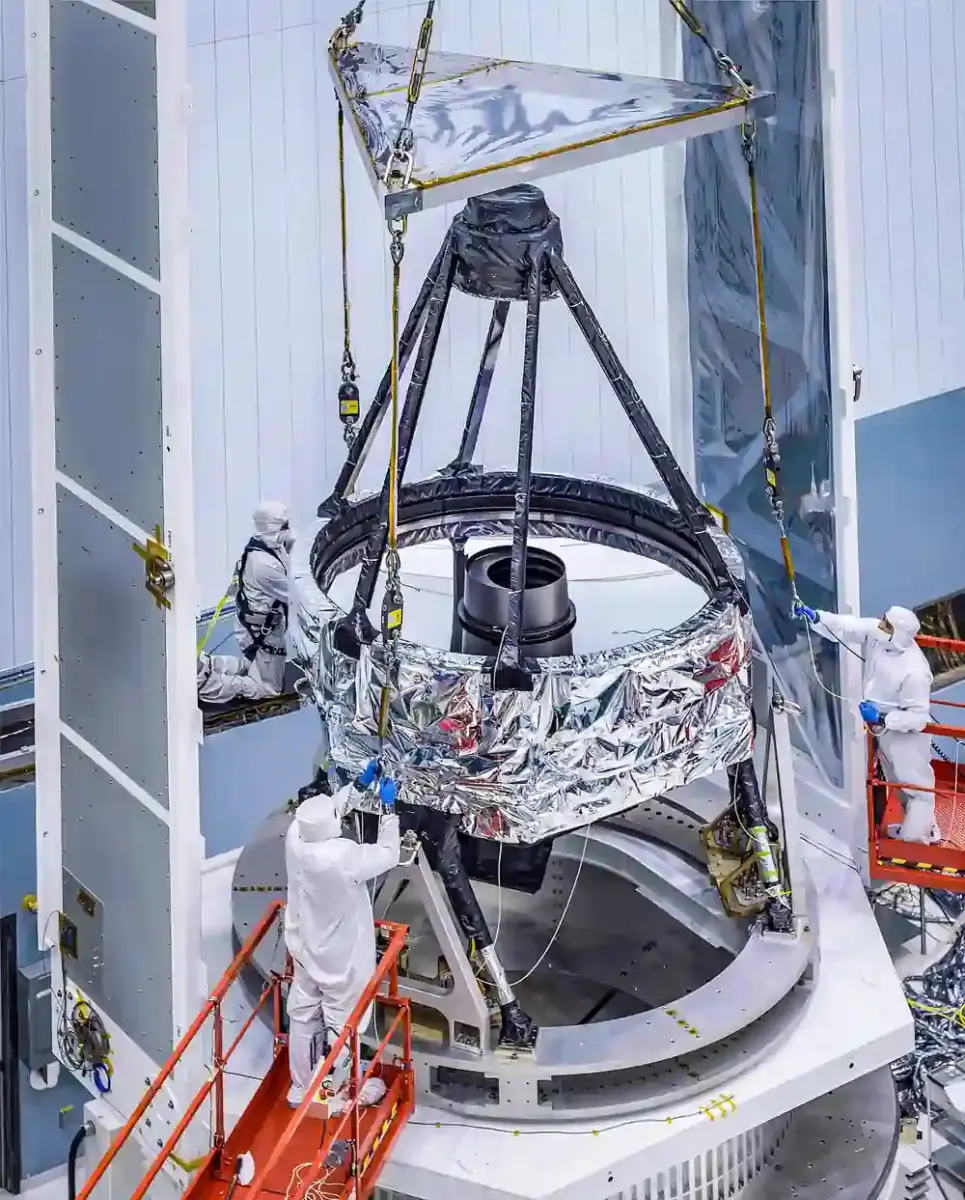
Want to see the Roman Space Telescope first images when they arrive? Mark Monday, December 7, 2026. NASA will release them live at 3:30 p.m. Eastern time, and you can take part before the release. A public program called Adopt a Pixel lets you claim a single pixel in one of the first images.
NASA’s Nancy Grace Roman Space Telescope launched on August 30, 2026. NASA will release its first images at the American Geophysical Union (AGU) Annual Meeting in San Francisco, held at the George R. Moscone Convention Center. The release happens during a plenary session at 12:30 p.m. Pacific time, which is 3:30 p.m. Eastern. Earlier that day, NASA Administrator Jared Isaacman joins a fireside chat at 2:45 p.m. Eastern, or 11:45 a.m. Pacific. Science journalist Alex Witze moderates the chat. The public livestream starts at 11:45 a.m. Pacific and runs on NASA platforms and AGU channels. NASA will also post the images online at nasa.gov/RomanFirstImages.
Here is what this means for you. The livestream is open to the public, so you can watch from home through NASA’s live page at nasa.gov/live. For UK readers, the release lands at 8:30 p.m. GMT on Monday night. For Australian readers, it is 7:30 a.m. on Tuesday, December 8, in Sydney and Melbourne. If you want a pixel, submit your email address through NASA’s Adopt a Pixel page. NASA allows only one pixel per email. A family that shares one email shares one pixel.


Latest from Science
Leonid Meteor Shower Peaks at 71 Kilometers Per Second With Stargazers Still Tracking Shooting Stars Through November 30
If you missed the peak of the Leonid meteor shower, you can still spot shooting stars in the night sky. While the shower has passed its maximum activity window, meteors will continue
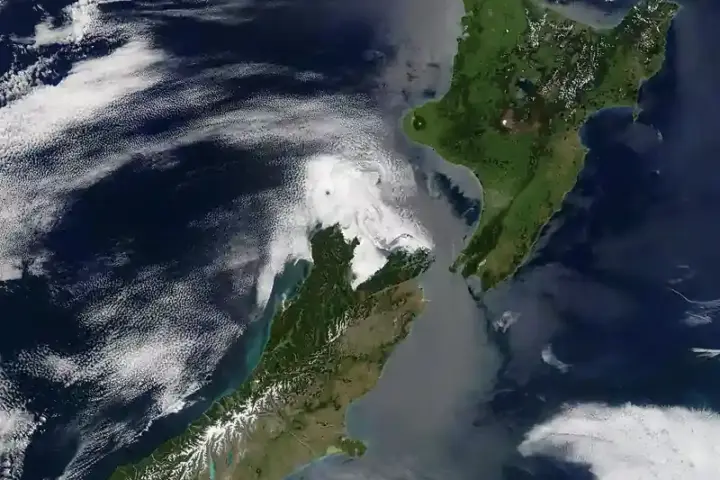
Pure Sulfur Rocks on Mars Explained as New Studies Solve NASA Curiosity Rover Yellow Crystal Mystery
NASA’s Curiosity rover cracked a pale rock in Mars’s Gediz Vallis channel and found bright yellow crystals of pure elemental sulfur. The discovery was surprising because volcanic activity and hot springs, typical

UK-Australia Strategic Innovation Dialogue: Quantum, Offshore Wind and Satellite Data
Do you run a deep-tech company, build offshore wind projects, or do genomics research in the UK or Australia? A new joint statement sets out where government cooperation is heading next. It
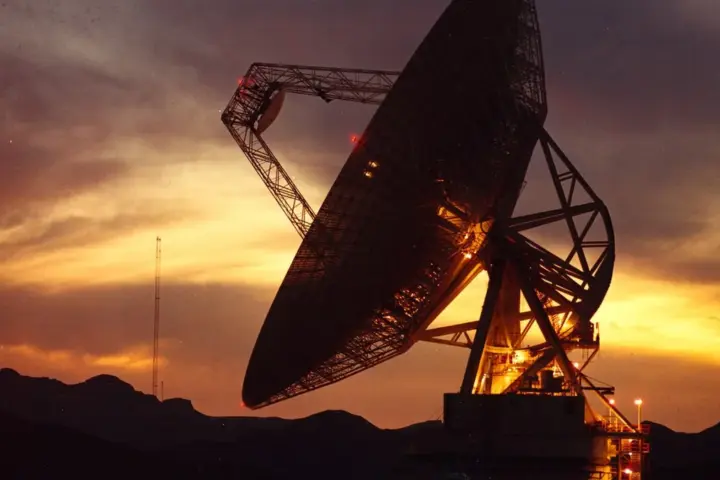
Voyager 1 Officially Reaches One Light-Day From Earth at 10:16 UTC After Traveling Over 16 Billion Miles
NASA’s Voyager 1 spacecraft has officially become the first human-made object in history to reach a distance of one light-day from Earth. NASA’s Jet Propulsion Laboratory confirmed that the probe crossed the
Supreme Court Rejects Trump Appeal Over $59M in Canceled University of California Research Grants
University of California researchers can continue operating under reinstated National Science Foundation and National Endowment for the Humanities grants that had about $59 million remaining when they were terminated, with expiration dates
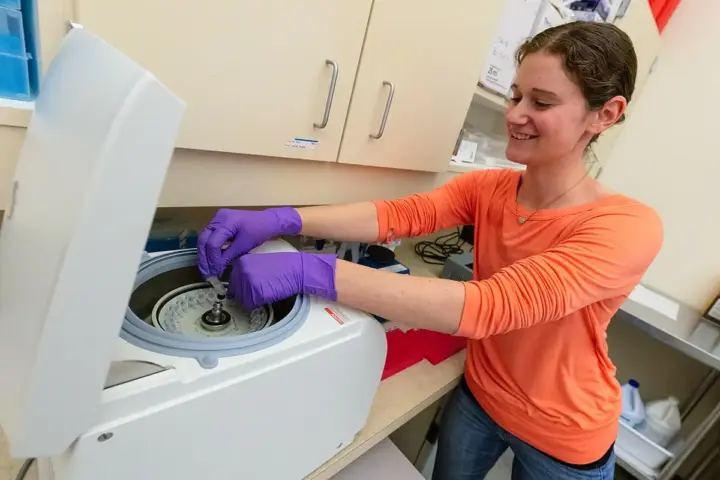
NIST Metabolomics Reference Materials for Urine and Liver: Sex, Smoking, Fatty Liver
NIST RM 8232 and RM 8462: New Metabolomics Standards for Urine and Liver Testing Two new NIST metabolomics reference materials from the U.S. National Institute of Standards and Technology help labs check
NASA Terra Satellite Mission Ends December 2026 After 27-Year Earth Observation Record
Built for six years, NASA’s Terra satellite lasted 27—and on December 1, 2026, its science instruments go silent for good. The flagship Earth Observing System (EOS) spacecraft, launched December 18, 1999, will
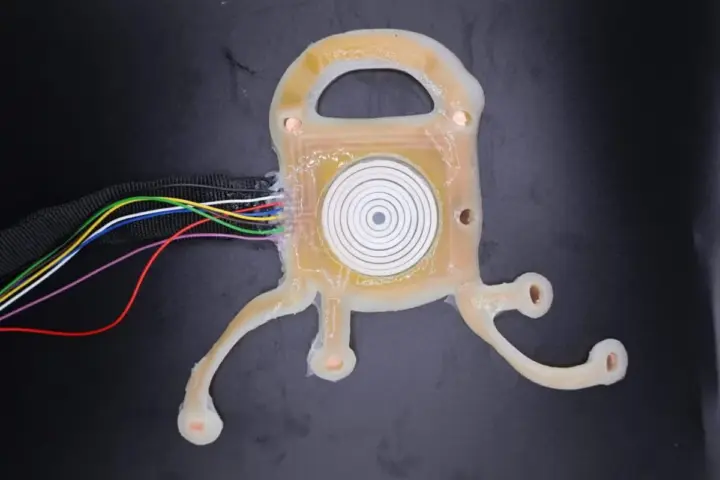
Wearable Ultrasound Patch Reaches REM Sleep 43 Minutes Faster in UT Austin NEUSLeeP Study
You lie awake in the dark, body exhausted but mind still cycling through the day’s unfinished pressure. By the time you finally drift off, the alarm is only a few hours away
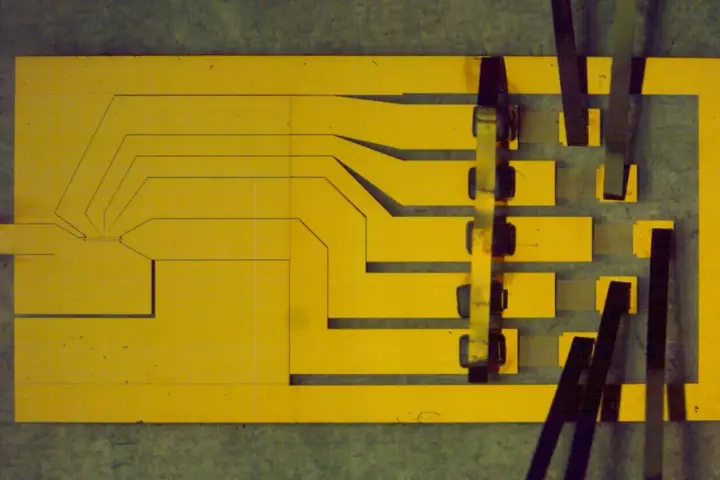
Analog Quantum Simulation Verification: 51-Ion System Earns Certified Error Bounds
**Scientists Address analog quantum simulation‘s verification Challenge With Certified Error Margins on a 51-Ion System** When a trapped-ion quantum simulator scales beyond roughly 50 ions, verifying its outputs with classical methods becomes

Criblike Mattress Recall (XCD-001, XCD-002, MNCL-001): Amazon Suffocation Risk & Refund Steps
Criblike Mattress Recall (XCD-001, XCD-002, MNCL-001): Amazon Suffocation Risk & Refund Steps If you bought a white Pack and Play mattress or mini-crib mattress on Amazon between June and September 2025, check
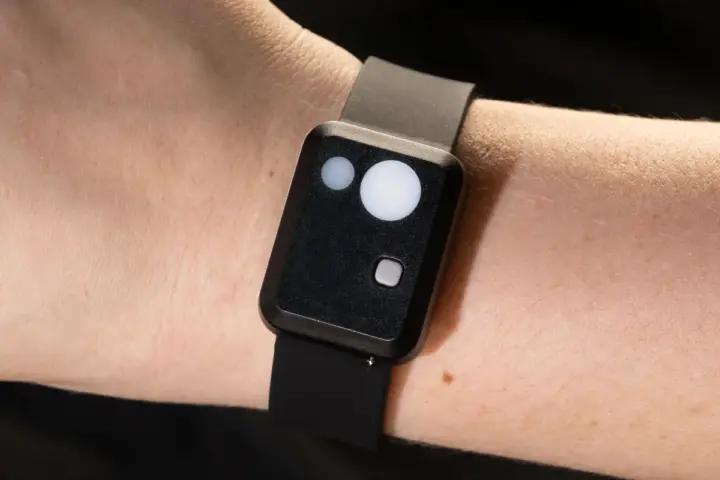
Morning Naps Mortality Risk: 30% Higher in Older Adults, 19-Year Study
Morning Naps Mortality Risk: 30% Higher in Older Adults, 19-Year Study If you are over 60 and find yourself drifting off in the morning more often than before, or you have noticed
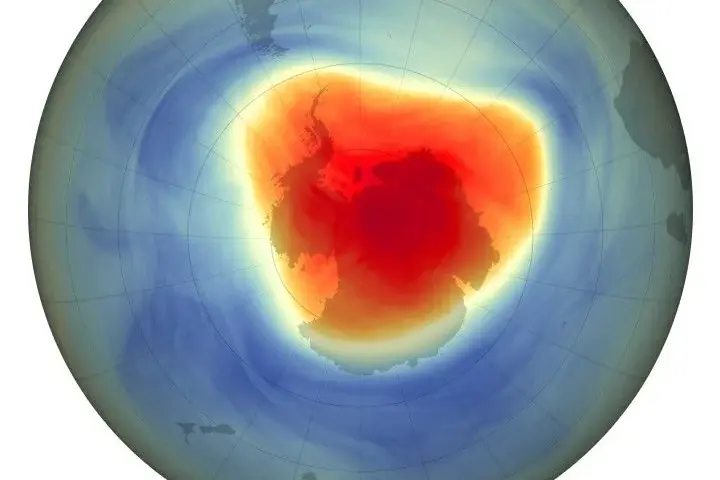
2026 Ozone Hole Largest in a Decade: NOAA & NASA Say Recovery on Track
2026 Ozone Hole Hit 10.5 Million Sq Mi, Largest in a Decade: Why NOAA Says Recovery Is Still on Track The largest Antarctic ozone hole in ten years just appeared in NOAA
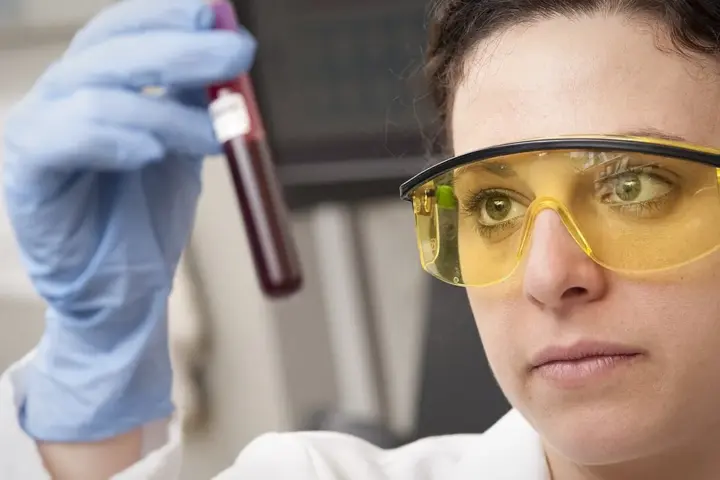
Yale School of Medicine 51-Study Analysis: Metformin and Semaglutide Lower Biological Age Markers
If you spend money each month on anti-aging supplements, a large new analysis from Yale University has findings worth reading. Researchers reviewed 51 clinical studies and found the interventions that consistently moved
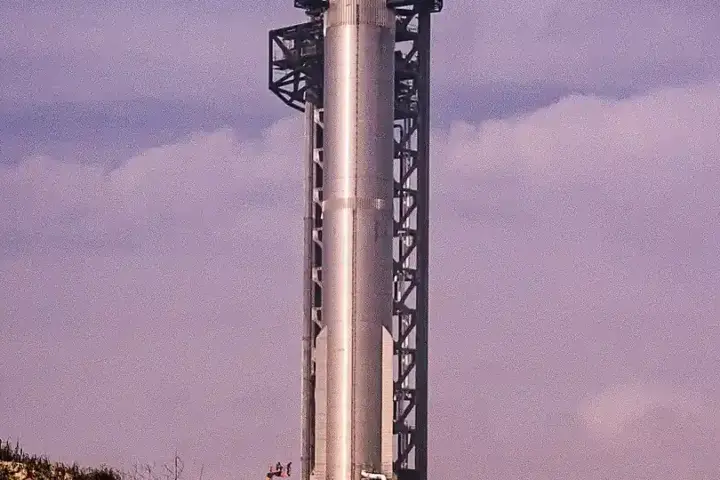
SpaceX Starship Flight 15 Launch Time: Double Tower Catch Attempt
SpaceX is targeting no earlier than 5:45 p.m. EST on November 13 for Starship Flight 15 from Starbase, Texas. The SpaceX Starship Flight 15 launch time matters because the mission is expected
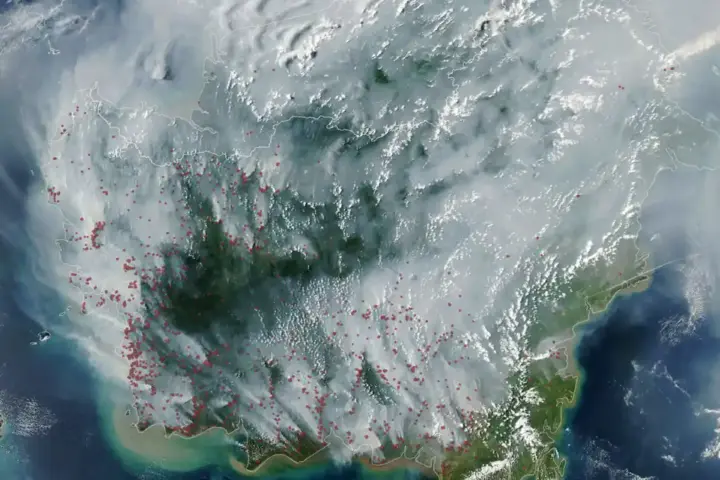
Indonesia 2026 Wildfires: Climate Change Made Extreme Fire Weather Three Times More Likely
In 2026, smoke from Indonesia’s burning forests blanketed four countries. Roughly 12.5 million people across Indonesia, Malaysia, Singapore, and Timor-Leste breathed haze thick enough to close schools and ground flights in Kalimantan.