Rahul Somvanshi
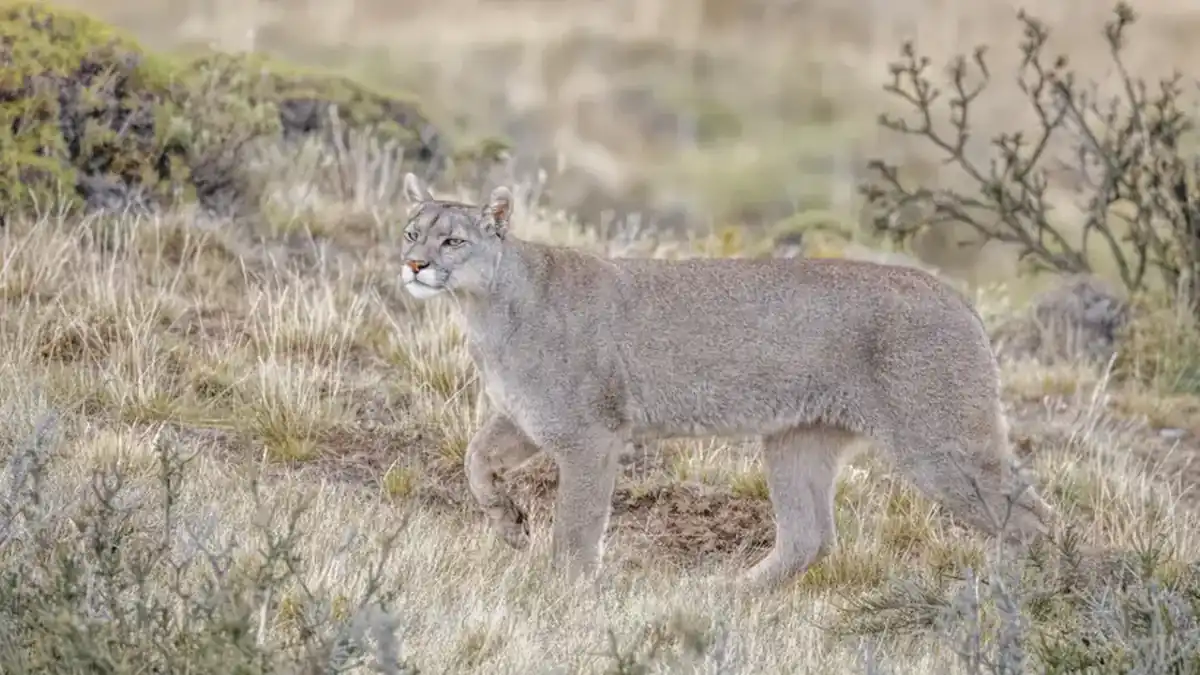
If you drive the 10-lane U.S. 101 Freeway through Agoura Hills northwest of Los Angeles, you have watched massive concrete girders and vegetated sound walls rise overhead for more than four years. Just one month from today, that nearly one-acre span will officially open to the mountain lions, bobcats, and mule deer trapped on either side of the highway.
Barring delays from heavy El Niño winter rain, the California wildlife bridge—officially named the Wallis Annenberg Wildlife Crossing—is scheduled for its ribbon cutting and opening on December 2, 2026. Spanning 10 lanes of the 101 Freeway and a feeder road at Liberty Canyon in Agoura Hills, the $114 million structure is the largest urban wildlife crossing in the world. Groundbreaking took place on Earth Day in April 2022 after 14 years of planning, with roughly 60% of the funding raised from private donors and philanthropists and the remaining 40% covered by public conservation funds.
For the hundreds of thousands of drivers who commute through Agoura Hills on the 101 Freeway, the December 2, 2026 opening marks the end of four years of nighttime lane closures and the start of safer highway driving. By guiding deer and mountain lions over the 10-lane corridor instead of into oncoming headlights, the crossing reduces both deadly vehicle collisions and the inbreeding threatening local cougars.
Why Connecting the Santa Monica Mountains Cost $114 Million
Critics and curious commuters alike have asked why the Agoura Hills overpass reached $114 million when rural crossings—such as the bridge on Route 97 near Weed, California—cost roughly $15 million. Unlike a two-lane rural highway, spanning the 101 Freeway required relocating major urban utility lines, engineering custom vegetated walls to block blinding headlights and freeway roar, and supporting tons of specialized soil above one of America’s busiest commuter corridors.
Biologists point out that isolated habitats are a primary driver in the 73% global wildlife population decline. Just as a narrow forest strip proved vital in our report on the Guatemala-Honduras jaguar wildlife corridor, the 101 Freeway had walled off the Santa Monica Mountains from the Simi Hills, creating a genetic bottleneck that threatened Southern California’s mountain lions—made famous by the late Griffith Park cougar P-22—with local extinction.
Long before the December 2, 2026 ribbon cutting allows the first mountain lion to walk across the 101 Freeway, the bridge’s one-acre soil deck has already started functioning as a self-seeding ecosystem. Field checks by National Wildlife Federation regional director Beth Pratt documented pollinators, spiders, red-tailed hawks, and a resident western fence lizard living among the 6,000 native California poppies and white sage plants—meaning the prey food web that convinces cautious big cats to cross is already established in the dirt.
When does the California wildlife bridge over the 101 Freeway open and can people walk on it?
The Wallis Annenberg Wildlife Crossing in Agoura Hills is scheduled to open on December 2, 2026, following a public ribbon-cutting countdown led by the Save LA Cougars campaign. Once opened to wildlife, the bridge deck is restricted to animals and authorized researchers so human scent and noise do not deter mountain lions from crossing.
Watch for the first trail-camera photographs from the bridge deck after December 2, 2026—a milestone that will show how quickly large predators and deer reclaim the corridor across the Santa Monica Mountains.