Sunita Somvanshi
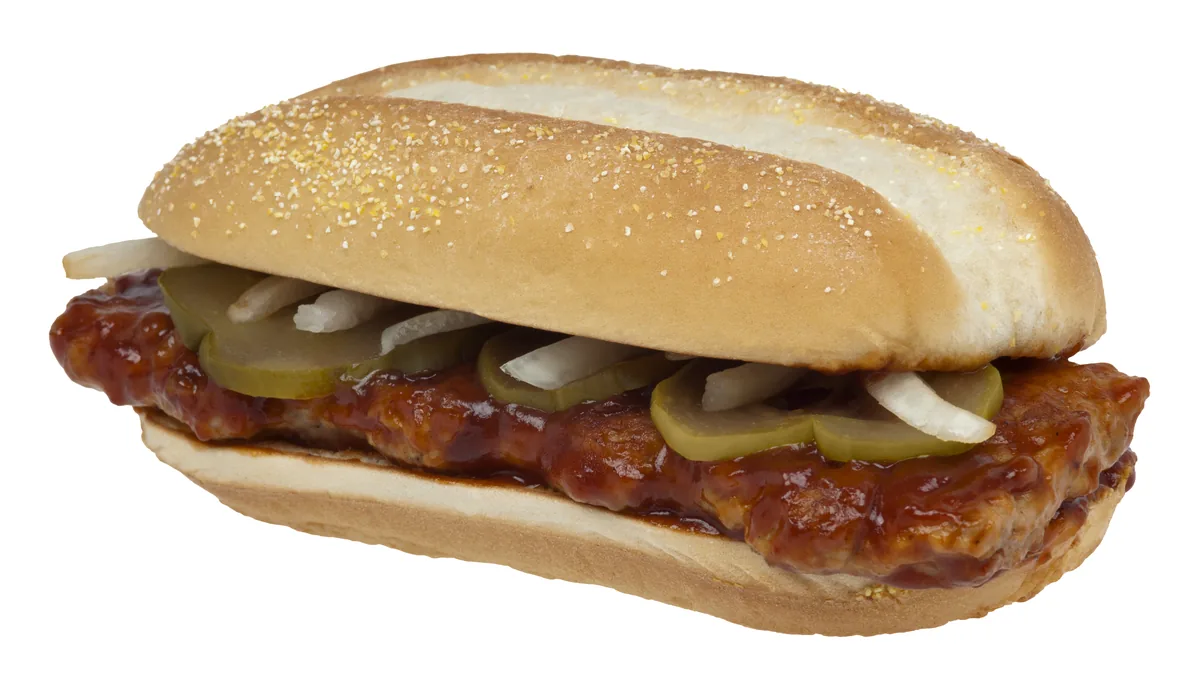
If you paid around $7 for a McRib expecting pork rib meat, a federal judge says your expectation was not unreasonable. That ruling, handed down Friday, keeps a proposed class action lawsuit against McDonald’s alive — and puts the shape of a fast-food sandwich at the center of a consumer deception argument.
The McRib lawsuit McDonald’s has been fighting cleared a significant legal hurdle on October 31 when US District Judge April Perry in Chicago rejected the company’s request to dismiss the case. The plaintiffs argue that the McRib patty’s ridged, rib-like shape leads diners to believe the sandwich contains rib meat — a more expensive, fattier cut of pork. They say it actually uses a lower-grade mixture that may include pork shoulder, heart, tripe, or stomach, meaning customers overpay for what they get.
Judge Perry ruled it is too early in the case to accept McDonald’s argument that “no reasonable consumer could expect the McRib to contain rib meat.” She noted that McDonald’s own website describes the sandwich as containing pork only — with no specific mention of rib meat — and that ads leaning into the rib-like shape of the patty could, with more evidence, support a claim of intent to deceive. Her words: “Plaintiffs’ proffered understanding of ‘McRib’ is not unreasonable or fanciful.”
What McDonald’s Says
McDonald’s pushed back directly. The company says it does not use hearts, tripe, or stomach in the McRib. It says it has always been transparent about the sandwich’s ingredients. Its statement called the lawsuit one that “distorts the facts” and described the claims as “meritless.”
The ruling does not mean McDonald’s loses the case. It means the case proceeds to the discovery phase, where the plaintiffs will need to build their argument with more evidence and McDonald’s will have the opportunity to counter it. A dismissal at this stage would have ended it before that process began. a broader pattern of food-labeled product suits
Plaintiffs’ attorney Thiago Coelho said his clients would continue seeking accountability for what they describe as deceptive marketing. The proposed class would include customers who bought McRibs expecting rib meat and paid a premium based on that assumption — the sandwich costs around $7, placing it among McDonald’s pricier menu items.
A Wider Pattern in Fast Food
This case sits inside a broader pattern of lawsuits over fast-food advertising. McDonald’s, Burger King, and Wendy’s have each faced legal challenges arguing that burgers shown in ads are substantially larger than what customers actually receive. long-running suits over advertised size Those cases have had mixed results, but they have pushed the question of what a “reasonable consumer” expects into courts across the country.
The McRib case adds a different layer: not the size of what is shown, but the nature of the ingredient implied by a product’s name and shape. The patty is formed and ridged to look like a rack of ribs. The name combines “Mc” — McDonald’s standard branding prefix — with “Rib.” Judge Perry said that combination, plus the visual design of the product, is enough to make the plaintiffs’ reading of the name plausible. That is not a finding of fraud. It is a finding that the argument deserves to be heard.
Does the McRib actually contain rib meat? McDonald’s says no, and has maintained that position throughout. The company says the patty is made from pork — but not from ribs. The lawsuit argues customers are not clearly told this, and that the product’s name and appearance imply otherwise. Judge Perry has not ruled on the underlying facts; she ruled only that the plaintiffs’ reading of the product is not so absurd that the case should be thrown out before it begins. US food-labeling and consumer-protection rules
The case now moves forward in the US District Court for the Northern District of Illinois. No trial date has been set. McDonald’s has not indicated whether it will appeal the decision to let the case proceed.