Karmactive Team
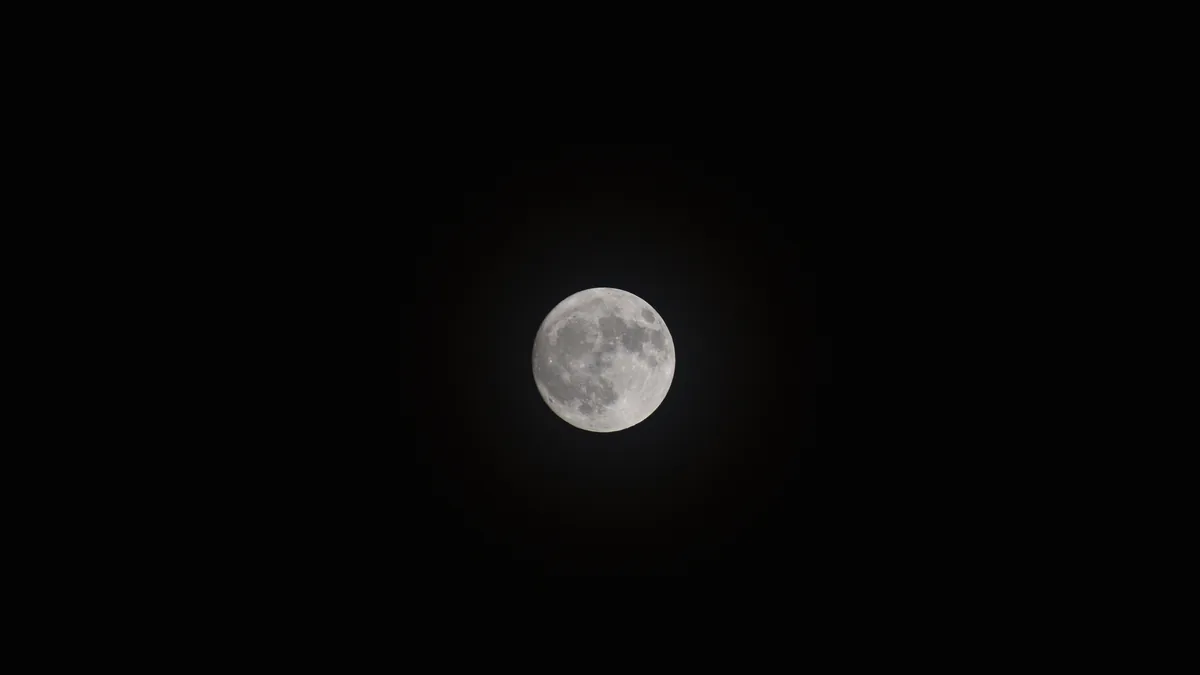
The October full moon—the Hunter’s Moon—reaches its peak at 4:12am GMT on Monday October 26, 2026. The UK moved from BST to GMT when the clocks went back on Sunday October 25 at 2am, so the peak at 04:12 UTC is also 4:12am in your current UK time zone. For readers in the US, the same moment falls at 12:12am EDT, early Monday October 26. In Australia, it is 3:12pm AEDT on Monday October 26.
The Hunter’s Moon is the full moon following October’s Harvest Moon—the full moon closest to the autumn equinox. In 2026 it falls with the moon in the sign of Taurus, opposite the sun in Scorpio, according to astrological sources. Mercury is in retrograde during the Hunter’s Moon window, with that retrograde ending in mid-November.
The Hunter’s Moon gets its name from the traditional practice of using the bright autumn full moon for hunting before winter. Like the Harvest Moon, it typically rises close to sunset for several consecutive nights around the full phase, providing sustained evening light, a pattern highlighted in the Royal Observatory Greenwich’s night-sky highlights for October 2026.
The clock change is the practical issue for UK viewers planning to watch. Clocks went back on Sunday October 25 at 2am—one hour earlier than the previous evening—putting the UK on GMT from Sunday morning onward. The peak arrives at 4:12am GMT on Monday October 26. For most of England and Wales, Sunday evening—when the moon rises close to sunset—offers a compelling low-horizon view as Storm Boelo clears southward. The technical peak is in the early hours of Monday.
Best viewing times and the Taurus placement explained
The Hunter’s Moon can appear large and orange-red when near the horizon. The orange color comes from light passing through more of the Earth’s atmosphere at a shallow angle—the same effect as any full moon at low elevation, as explained in NASA’s moon science resources. The apparently larger size near the horizon is the moon illusion, a well-documented perceptual effect rather than a physical change in the moon’s size.
For UK observers, Sunday evening offers the best spectacle as the moon rises close to sunset—particularly from elevated positions in southern England and Wales where Storm Boelo will have cleared ahead of Monday. Viewers in northern Scotland should check cloud cover, as the storm’s effects may linger. The moon looks full for approximately a day either side of peak illumination, so the evenings of Sunday October 25 and Monday October 26 both work for viewing.
In astrology, a full moon in Taurus is associated with themes of material security, grounded values, and the physical world. The opposition to the Scorpio sun—directly across the zodiac—creates a tension between stability and transformation that astrologers read as an activation point for decisions about long-term resources. Mercury retrograde, ending in mid-November, is typically framed in astrological terms as a period for reviewing rather than initiating new communication-heavy plans.
The clock change trap works in one direction: some viewers may set their alarm for “around 4am” based on the 04:12 UTC time and find the UK has already switched to GMT, so the clock time matches the UTC time. The peak is Monday morning at 4:12am on your clock—there is no further adjustment needed once the Sunday night clock change has passed.
The Full Hunter’s Moon peaks at 4:12am GMT on Monday October 26. Best spectacle for most of the UK is Sunday evening at moonrise. The next full moon—the Beaver Moon—falls in November. Stargazers in northern Scotland should check cloud cover on Sunday evening.