 Karmactive Staff
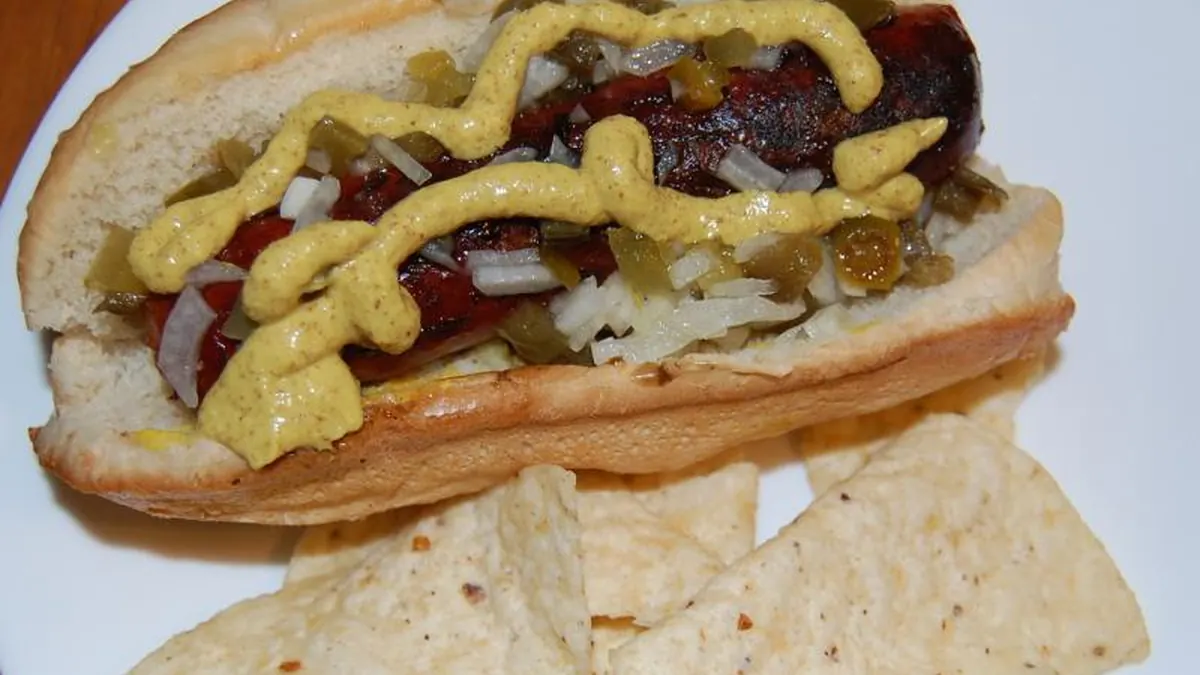
A warehouse cooling-system malfunction has triggered a major U.S. ready-to-eat meat recall. If you have hot dogs, bacon, deli ham, or chicken sausages in your fridge or freezer from any of eight brand names, there is a real chance your package is included — some use-by dates run as late as February 2027, meaning affected products may still look and smell fine.
The recall at a glance
Chelsea, Massachusetts-based Kayem Foods Inc. voluntarily recalled approximately 1,584,361 pounds of ready-to-eat meat and poultry products. The U.S. Department of Agriculture’s Food Safety and Inspection Service (FSIS) announced the recall on October 17, 2026, and classified it as Class I — the agency’s highest risk level, indicating a reasonable probability that eating the food could cause serious adverse health consequences. Products were made between March 31 and October 7, 2026, and shipped to retail stores and food-service locations across the United States and Hong Kong.
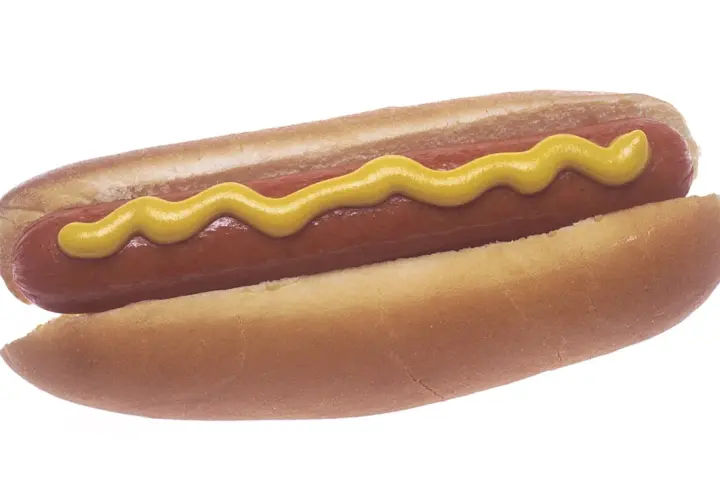
The recall spans eight brands: Kayem, Al Fresco, Triple M, McKenzie, Deutschmacher, Jordan’s, Essem, and Winnisimmet St. Butchery. Specific items include hot dogs, bacon, deli ham, turkey breast, bologna, liverwurst, corned beef, brisket, kielbasa, and Al Fresco chicken sausages, meatballs, and breakfast patties.
Because packages carry use-by dates ranging from May 2026 through February 2027, FSIS warns that recalled packages may still be stored in consumers’ refrigerators and freezers without any obvious sign of a problem.
What this means if you have these products at home
The practical concern here is not about food that looks or smells off. Temperature abuse — holding meat in the bacterial “danger zone” between 40°F and 140°F — can allow harmful bacteria to multiply without changing a product’s appearance, smell, or taste. That means the standard smell-and-look check most people rely on does not work in this situation. FSIS advises you not to eat any recalled products and to either throw them away or return them to where you bought them for a refund.
How to identify recalled packages
Look for the USDA mark of inspection on the packaging. Recalled products carry one of three establishment codes:
- EST. M/P 7839
- EST. P 20935A
- EST. M 9520
These establishment numbers are one identifying factor, but the recall covers specific product names, package sizes, UPC codes, and lot codes. Match your package against the complete FSIS product list for Recall 026-2026 before discarding or returning.
What triggered the recall
The investigation started on October 1, 2026, after a retail customer reported that delivered meat packages arrived warm. An internal Kayem investigation confirmed that a warehouse cooling system had experienced temperature deviations that exposed perishable ready-to-eat meats to unsafe temperatures. No illnesses had been confirmed at the time of the FSIS announcement.
Anyone with questions about the recall can contact Kayem Foods at 1-800-426-6100 or reach FSIS directly at 1-888-674-6854. The full list of affected product names, codes, and package sizes is available on the FSIS website.
For related Karmactive coverage, see this earlier meat-recall and listeria-safety update and the site’s Food & Drinks coverage.