Rahul Somvanshi
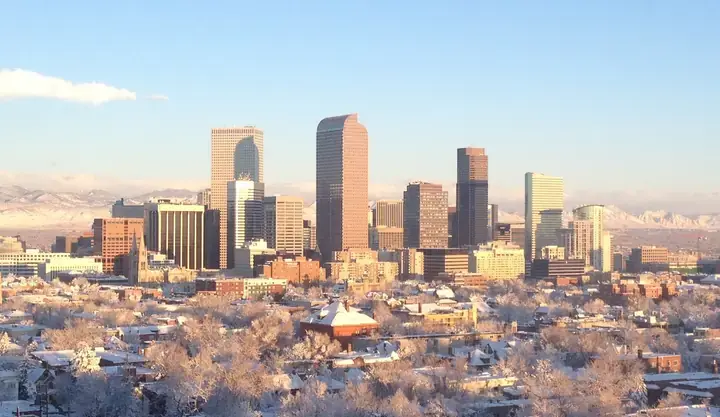
Hot weather can feel more severe in a built-up area than in nearby countryside. Roads, roofs and walls absorb and store heat, while dense development can restrict airflow and reduce shade. This is the urban heat island effect, and it can add to the difficulty of keeping homes, workplaces and public spaces safe during warm periods.
UK urban overheating is not simply another name for a heatwave. A heatwave is a period of unusually hot weather; an urban heat island is a local difference between a city and its surroundings that can arise from surfaces, buildings, vegetation and the way heat is released and retained. Its intensity varies with location, weather and the design of a neighbourhood.
The UK’s Climate Change Risk Assessment identifies risks to health, wellbeing and productivity from overheating in buildings. This can pose particular risks for people who cannot readily cool their homes, including residents in poorly ventilated properties and people whose health makes heat harder to tolerate.
There is no single temperature difference that applies to every British city, or even to every street in one city. A shaded park, a tree-lined road and a dense area of dark surfaces can respond differently to the same weather. The practical question is whether a building can shed heat overnight and provide a safe indoor environment during a hot spell.
Adaptation is about buildings and neighbourhoods
Measures to reduce overheating work at more than one scale. Building design can use external shading, ventilation and materials that limit unwanted heat gain. Street and planning choices can protect shade, greenery and space for air movement. None of these measures is a universal substitute for another, and their effectiveness depends on a building’s condition and location.
Green infrastructure can help cool and shade local places, but it is not a stand-alone fix. Trees need space, water and long-term care, and city planning also has to address housing design and exposure. The stakes of urban tree decisions are visible beyond the UK: Karmactive’s report on East Potomac Park’s proposed tree removals documents how changes to urban vegetation can become a public concern.
Overheating can also interact with air quality. Closing windows may reduce outdoor pollution at some times, but it can also limit ventilation. Local public-health and weather advice should guide decisions during hot episodes. Karmactive’s explainer on PM2.5 air pollution describes why outdoor conditions can matter even when pollution is not obvious.
Are urban heat islands the same as climate change? No. Climate change affects long-term temperatures and the likelihood of heat extremes. An urban heat island is a local effect caused by the built environment. The two can combine: hotter background conditions can make a heat-retaining neighbourhood harder to cool.
The UK risk assessment does not prescribe one response for every home. It identifies overheating in buildings as a climate risk requiring adaptation. For households, the immediate value is in recognising that a hot indoor space is not always unavoidable: shade, ventilation, building improvements and local planning all affect exposure.