Rahul Somvanshi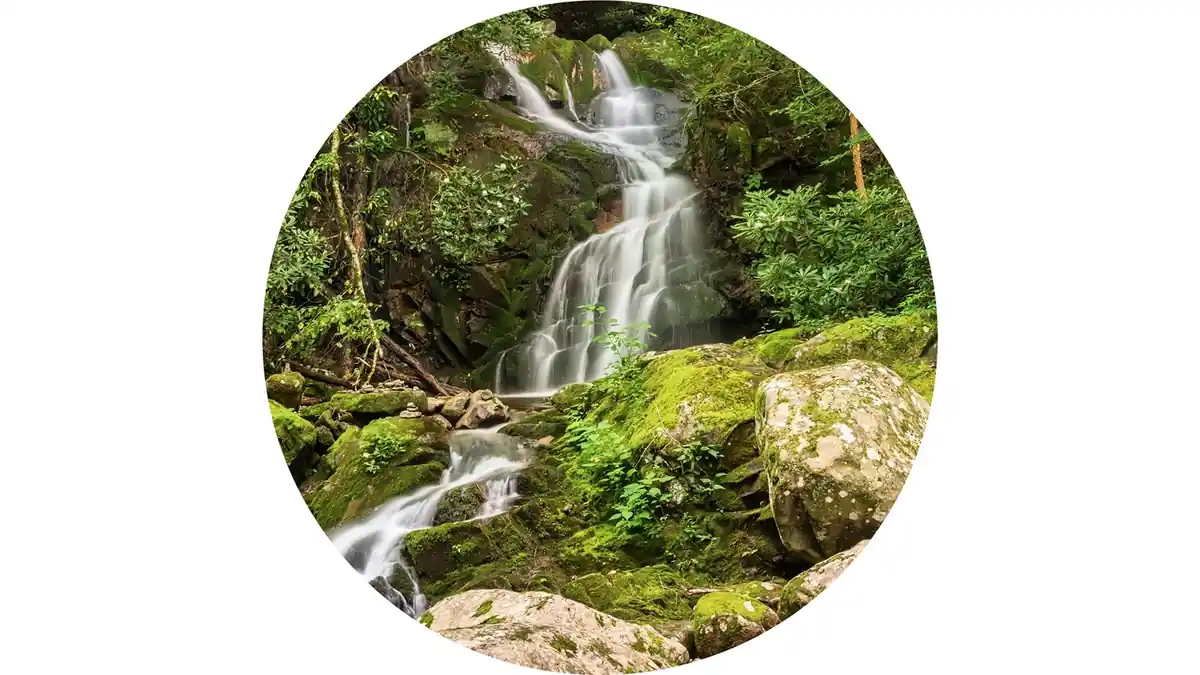
The body of Sahil Jilani, a 24-year-old from Houston, Texas, was recovered near Abrams Falls in Great Smoky Mountains National Park on October 8, 2026, following a multi-day search. His family confirmed the discovery after search teams located him. His car had been found in the Abrams Falls trailhead parking lot earlier, along with belongings found separately near the falls. The family has warned other park visitors about the hazards at the site.
Abrams Falls sits at the end of a 5-mile round-trip trail in the Cades Cove section of Great Smoky Mountains National Park in Blount County, Tennessee. The waterfall is 25 feet high. A 2008 account in Backpacker Magazine cited 29 water-related deaths on the Abrams Creek trail since 1971, a tally that has grown with subsequent incidents. The National Park Service warns of an undertow and dangerous conditions at the site and strongly discourages swimming. An official medical examiner's report has not been released.
National park visitors, backcountry hikers, and autumn tourists visiting Great Smoky Mountains National Park must recognize deadly hidden hydraulic hazards around mountain waterfalls. Swimmers and hikers exploring Abrams Falls should strictly heed warning signage and avoid entering waterfall plunge pools regardless of swimming ability. Powerful underwater recirculating currents can trap swimmers beneath 25-foot cascades, transforming seemingly calm creek pools into unsurvivable drowning traps.
The danger at Abrams Falls is not the drop height. A 25-foot waterfall delivers an immense volume of water into a confined, deep pool at high velocity. The kinetic energy creates a recirculating undertow at the base—a hydraulic cycle that pulls swimmers toward the base of the falls and keeps them submerged. The pool looks still from the surface. The NPS strongly discourages swimming in the area and posts warning signs about undertow and dangerous conditions. Visitors have entered the water despite those warnings.
The combination of moderate waterfall height, high visitor volume, and the pool's deceptively calm appearance has produced recurring tragedies at this site across decades. Great Smoky Mountains National Park receives more visitors annually than any other unit in the National Park System, and autumn foliage season is its peak period. Visitors planning trails in the Cades Cove area should review NPS water safety guidelines for backcountry waterways before reaching any plunge pool site.
The official medical examiner's report and the NPS incident report are expected in the coming weeks. Coverage will update when official findings are released.