 Sonali Tiwary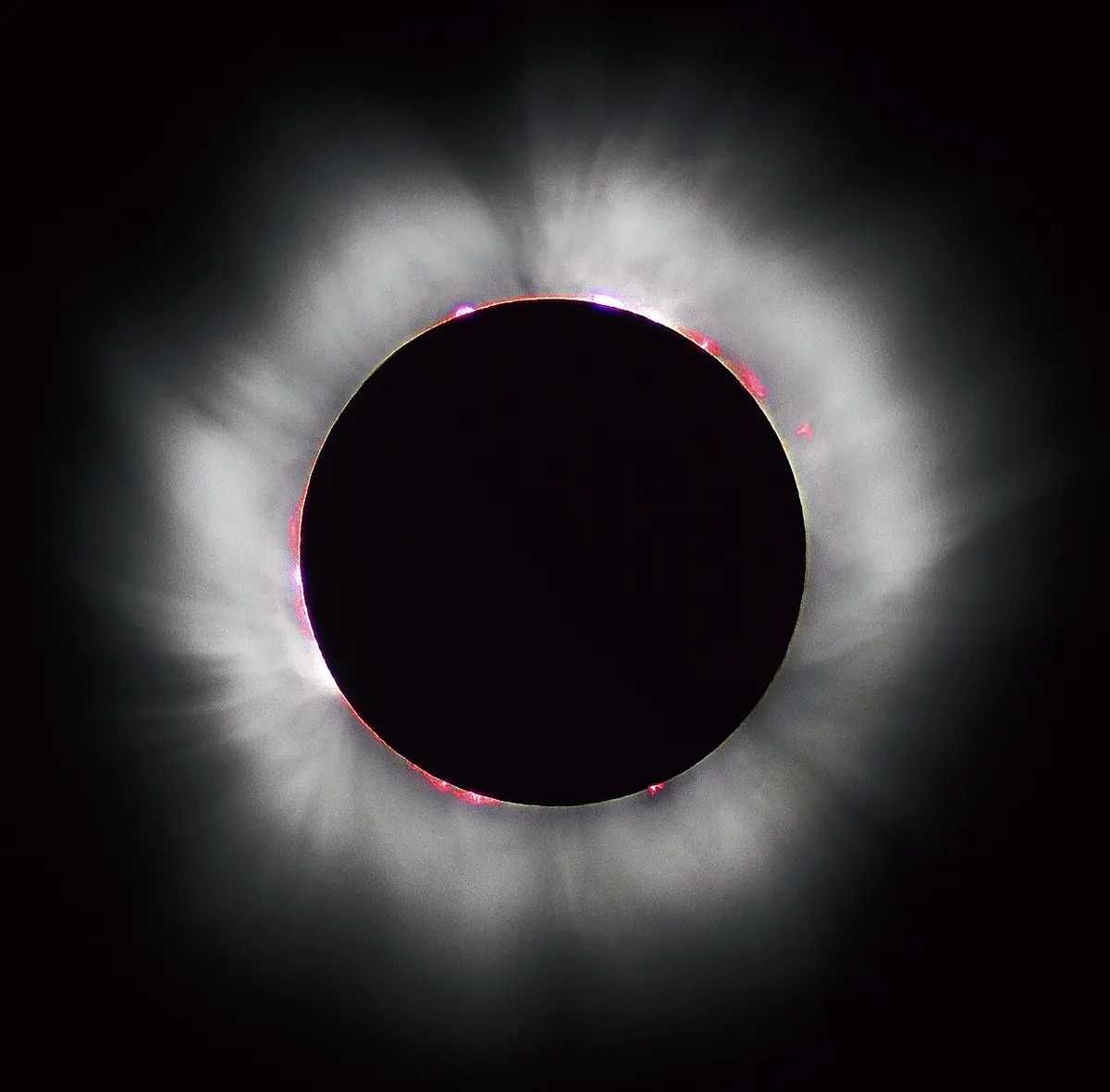
The August 2, 2027 total solar eclipse will deliver a maximum totality of approximately 6 minutes and 23 seconds — one of the longest on land in modern astronomical records. If you are planning to see it, the time to start booking is now.
The eclipse reaches totality along a path crossing southern Spain, Morocco, Algeria, Tunisia, Libya, Egypt, Saudi Arabia, Yemen, and Somalia. The point of maximum totality occurs along the central line of this path, with Luxor in Egypt offering approximately 6 minutes and 20 seconds of totality and historically low cloud cover, making it one of the most practical locations for viewing. NASA has confirmed the eclipse data. India is not on the path of totality and will experience a partial eclipse, with the degree of coverage varying by location.
If you plan to witness the August 2, 2027 total solar eclipse, begin locking in transport and accommodation reservations. Offering around 6 minutes of totality in a desert location with historically favourable weather conditions, the event is drawing strong travel interest. Readers should rely on verified astronomical data when planning.
What the eclipse will and will not look like from India
India is not on the main path of totality. This is the most important correction to the viral framing circulating on social media, which has described the 2027 eclipse in terms that imply global darkness. Totality is a narrow band along which the moon’s shadow passes. Outside that band, observers see a partial eclipse: the moon covers only a fraction of the sun’s disc, the sky does not go dark, and the experience is measurably different from totality.
India will experience a partial eclipse on August 2, 2027. Coverage varies significantly by location. Some parts of southern India, including areas near Nagercoil, can see slightly more than half of the Sun’s disc obscured at maximum partial coverage. Further north, the coverage is less. The viral “India will fall into darkness” framing is not accurate to the astronomical data.
For eclipse chasers travelling from India, Australia, the UK, or the US, Egypt offers one of the longest totality durations combined with accessible infrastructure. Southern Spain — the Andalusia region — offers a shorter totality window but within Europe. Both locations are on the confirmed path of totality.
Certified solar eclipse glasses or filters designed for solar observation are mandatory for safe viewing during the partial phases before and after totality. During the brief window of complete totality itself, direct viewing is safe — but the moment totality ends, eye protection must be back in place. Ordinary sunglasses are not sufficient. Solar retinal damage is permanent and occurs without pain.
Where is the best place to view the August 2, 2027 total solar eclipse? The path of totality crosses southern Spain, Morocco, Algeria, Tunisia, Libya, Egypt, Saudi Arabia, Yemen, and Somalia. Luxor in Egypt offers approximately 6 minutes and 20 seconds of totality, with the theoretical maximum of around 6 minutes and 23 seconds occurring at the point of maximum eclipse along the central line. India is not on the totality path and will experience a partial eclipse, with coverage of slightly more than half the Sun’s disc possible in some southern Indian locations.
For related astronomy content, see our guide to solar eclipse viewing safety and equipment and our overview of upcoming astronomical events worth planning around.