 Govind Tekale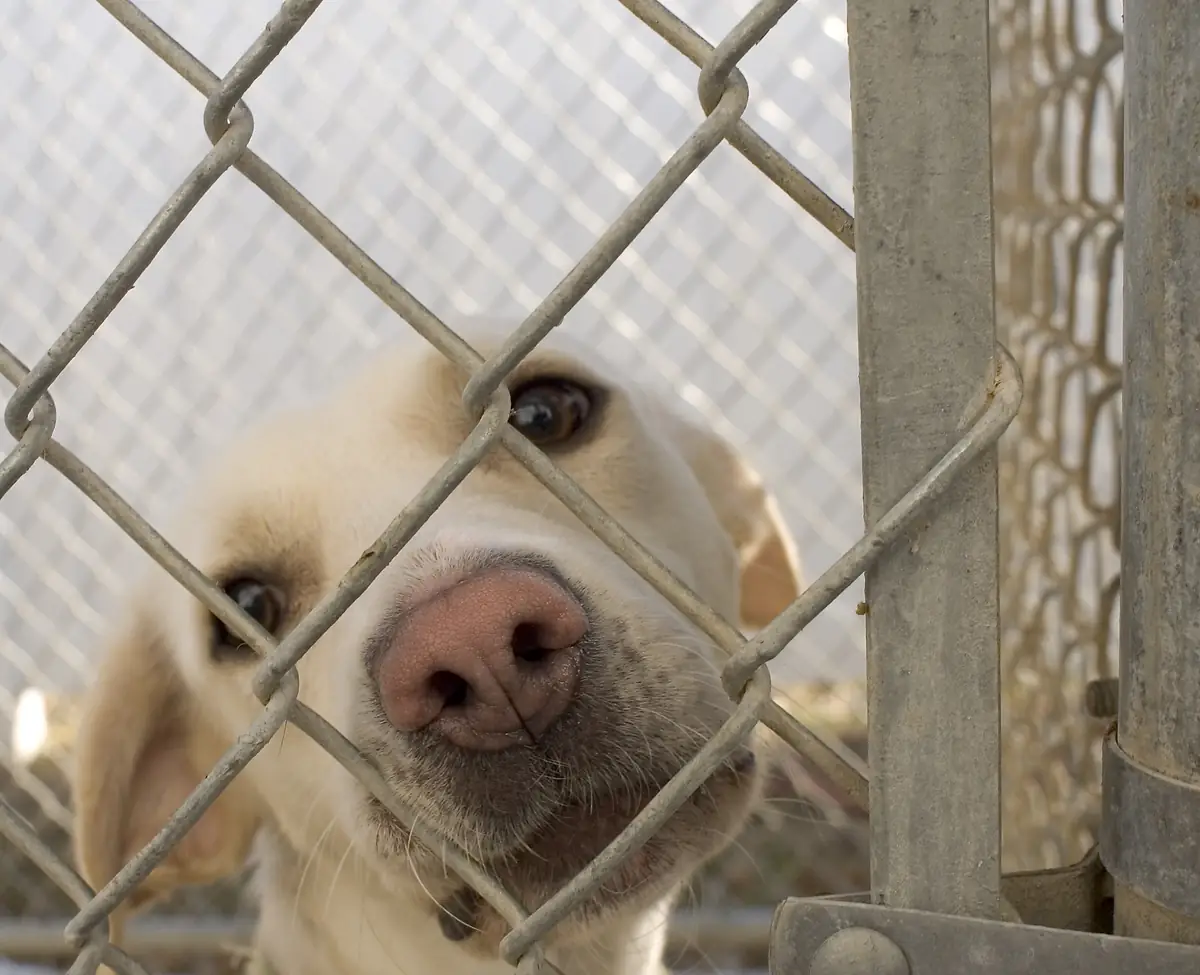
RSPCA Cymru has recorded 241 rescue incidents involving ten or more animals per address in just the first eight months of 2026. The same count for the whole of 2025 was 344. At the current rate, this year's total is on track to exceed last year's full-year total before the end of 2026, and Welsh rescue centres are under significant capacity pressure.
Gill Hillan of RSPCA Cymru described the situation plainly: "Our centres are always full. It's one in, one out, basically." The charity is running its annual Adoptober campaign asking suitable households to consider adopting or fostering rescue animals while centres face significant capacity pressure.
With animal rescue centres across Wales and the border counties under sustained pressure, prospective pet owners are being urged to foster rather than buy from online breeders. Fostering allows households to provide temporary homes for rescued animals while RSPCA Cymru says prospective foster carers should discuss approved veterinary care, food and equipment arrangements with the charity before accepting an animal — relieving severe shelter pressure while avoiding the costs of commercial puppy and kitten sales.
The surge in large multi-animal cases reflects a specific pattern seen across Welsh rescue services. Animals rescued from large hoarding environments frequently require care before they are ready for re-homing.
The capacity pressure follows earlier UK animal-welfare cases such as RSPCA rescues 250 dogs from one property.
Animals rescued from large hoarding environments do not immediately go up for adoption. Many require quarantine periods and behavioral rehabilitation before they are ready to live in a domestic home, which extends the time each animal occupies a shelter space and reduces turnover. This is why fostering is as important as adopting during a capacity crisis — it frees shelter beds for incoming emergency rescues while placing recovering animals in home environments that support their rehabilitation.
Does the RSPCA cover veterinary costs when you foster? RSPCA Cymru says prospective foster carers should discuss approved veterinary care, food and equipment arrangements with the charity directly before accepting an animal. Foster carers provide the daily care, housing, and socialization. It is an accessible option for households that want to help but cannot commit to permanent ownership costs.
Karmactive has also reported on unusual surrender cases, including a baby corn snake found in a UK supermarket bread aisle.
Anyone interested in adopting or fostering through RSPCA Cymru can register at the charity's official website or contact their nearest Welsh rescue centre directly.