 Govind Tekale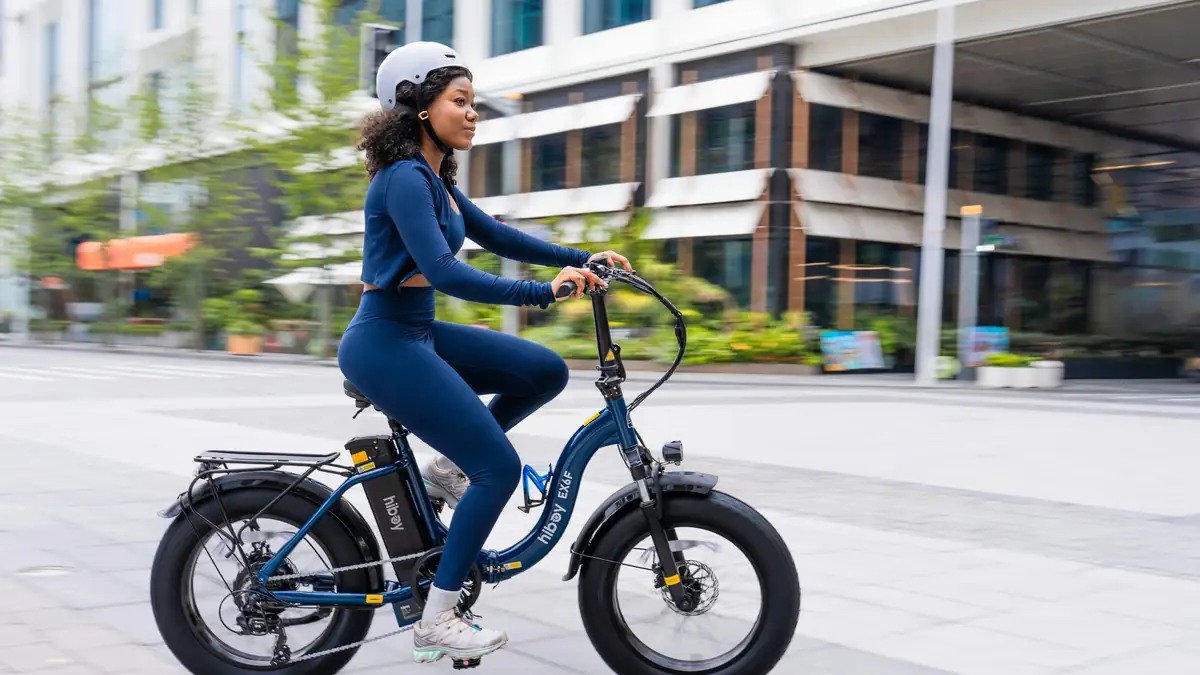
If you walk or jog on shared paths in NSW, the injuries suffered by former ABC broadcaster Margaret Throsby show how quickly an encounter with an overpowered electric bike can go wrong. Throsby, 84, underwent surgery after being struck by an electric fat bike on a shared path in the Illawarra on Friday 25 September 2026. The collision has also put real questions on the table about what types of e-bikes are actually legal — and what they are not.
Former ABC Classic presenter Margaret Throsby was walking on a shared path in Bulli, on NSW’s Illawarra coast, on 25 September 2026, when she was hit by a large electric fat bike ridden by a 16-year-old with a passenger. She suffered a hip fracture, a broken thumb and haematomas on her head, and was taken to hospital where surgery was performed. She remained in hospital as of the time of reporting. Her daughter, musician Holly Throsby, said the 84-year-old was struck by a bike that “kind of looked like a motorcycle” and called for stricter legislation around e-bike use by children.
When a pedestrian is struck on a shared path by an electric bike that does not qualify as a registered motor vehicle, standard compulsory third-party motor insurance does not apply. The legal and financial consequences of such a collision depend on the circumstances, including the nature of the device, evidence of negligence, ownership and applicable law. These are matters for qualified legal advice in any specific situation.
What NSW Law Requires on Shared Paths
NSW Road Rules and Transport for NSW guidelines define what a legal e-bike looks like on public paths. A legally compliant e-bike in NSW currently must have a continuous rated power output of up to 500 watts, with the motor cutting out when the bike reaches 25 km/h. NSW is transitioning to a stricter 250-watt maximum from 1 March 2029, when all e-bikes must also comply with the European EN 15194 standard. E-bikes with between 250W and 500W purchased before 1 March 2026 can be ridden legally under the transitional provisions until that date.
Fat bikes sold as off-road recreational equipment can have power outputs above these limits. When ridden on shared pedestrian infrastructure, a device that does not meet the e-bike requirements under NSW road rules is not classified as a legal bicycle for path use, regardless of how it was marketed at point of sale.
On shared paths, riders must keep left, give way to pedestrians, and ride at a speed that is safe for conditions. Adults over 16 cannot ride on footpaths (distinct from shared paths) unless accompanying a child. Having a passenger on a shared path is a separate offence under NSW road rules.
NSW Police conducted an operation in the Wollongong area on 29 September 2026 — the day after reporting on the Throsby incident — interacting with 37 e-bike riders and issuing several fines and cautions, including 15 youth warnings.
For parents buying electric bikes for teenagers, the [state-by-state guide to Australian e-bike laws and power limits](/australia-ebike-laws-by-state) sets out what’s legal for on-road use in each jurisdiction. Karmactive’s earlier piece on [shared path infrastructure and pedestrian safety across Australian cities](/australia-shared-path-safety) provides more context on how path design affects collision risk.
Legislation around e-bike regulation is an active area of policy discussion in NSW. Check back here for updates as any legislative or regulatory changes are announced.