 Govind Tekale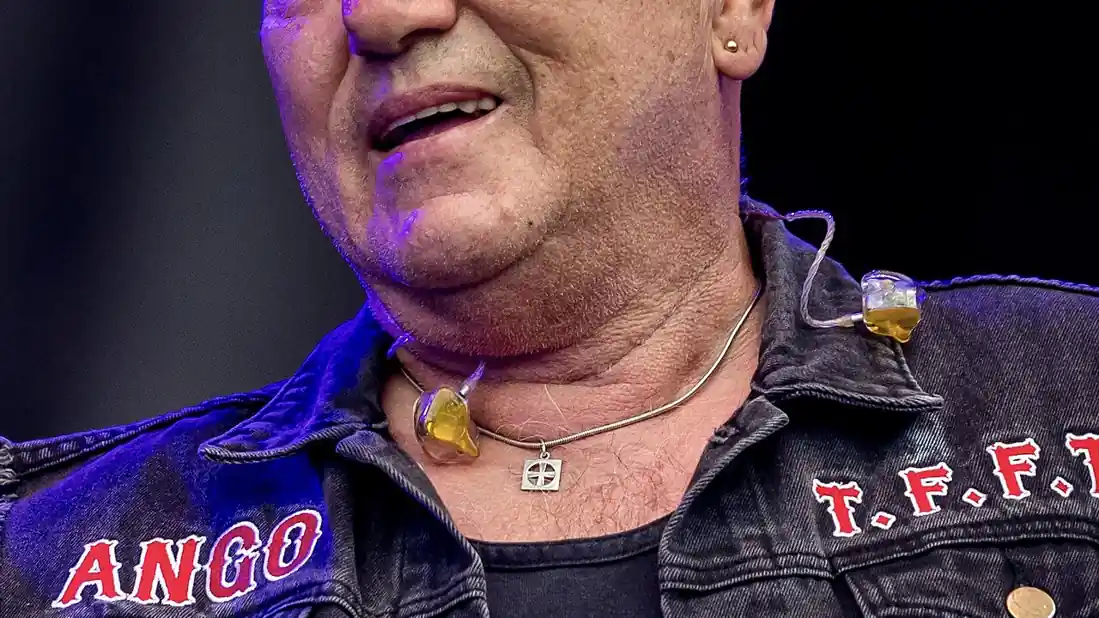
Gary “Angry” Anderson, the frontman of Australian rock band Rose Tattoo for more than five decades, has died at the age of 79. His family and bandmates confirmed the death. For millions of Australians, his name is inseparable from the hard, unpolished pub rock that defined an era of the country’s music — and from a lifetime of quiet advocacy that many fans never knew about.
ABC News reported Anderson’s death on September 23, 2026, based on an announcement from his family and the band. The news came after Rose Tattoo had already cancelled its 2026 European tour following his hospitalization earlier in the year. ABC and Nine both confirmed a cardiac arrest as the cause. Anderson was 79.
For Australian fans, this is the end of an era in Australian pub rock. Rose Tattoo shaped the sound of the 1970s and 1980s circuit and influenced international acts including Guns N’ Roses and Aerosmith, both of which cited the band directly. The band’s catalogue — particularly its 1978 debut album and songs like “Rock n’ Roll Outlaw” — is a cornerstone of Australian music history. Anderson performed and recorded with the band up until his hospitalization this year.
The music and the man behind the image
Rose Tattoo’s debut album established a raw, blues-influenced sound that stood apart from the more polished rock coming from the US and UK at the time. The band built a loyal following in parts of Europe and the UK, where their albums charted, even as mainstream commercial breakthrough in Australia remained elusive. Their 1981 album “Assault & Battery” remains among the most celebrated hard rock records to come out of the country.
Anderson’s solo career brought him his biggest hit, “Suddenly,” released in July 1987 via Mushroom Records. The song became famous after featuring in the iconic Neighbours wedding episode of Scott Robinson (Jason Donovan) and Charlene Mitchell (Kylie Minogue). It reached number two on the ARIA Singles Chart and number three on the UK Singles Chart, introducing Anderson to an audience far beyond Rose Tattoo’s existing fanbase.
At 4 feet 11 inches, Anderson became one of Australian rock’s most recognizable performers — known for his powerful voice, heavy tattoos and an on-stage presence that made him seem considerably larger than his physical size. He was the band’s consistent center for more than five decades, through lineup changes, hiatuses and a commercial landscape that repeatedly shifted beneath him.
Beyond the music, Anderson spent decades working in youth advocacy, child protection and charitable causes — work that contrasted sharply with the hard-drinking, tattooed image he projected on stage. He was appointed a Member of the Order of Australia for his community work. In interviews over the years, he spoke about a difficult childhood and said those early experiences drove his commitment to working with at-risk young people later in life.
Rose Tattoo had continued to tour and record into the 2020s, with Anderson remaining the band’s central figure. The European tour cancelled this year would have been one of their major international commitments in recent memory. The band announced his hospitalization to their audience before the tour was pulled, which prepared fans for the news that followed.
The band’s original lineup included guitarist Mick Cocks, who died in 2009. Other founding members have died or departed over the decades, making Anderson the last strong public link to the band’s founding period.
Tributes from across the Australian music industry and from international artists who named Rose Tattoo as an influence began appearing immediately after the announcement.
Closure: No funeral details or further family statement had been released at the time of writing. Rose Tattoo’s management has not yet confirmed any plans for tribute events or future band activity.
Related Karmactive coverage: culture.