 Karmactive Staff
Diwali feasts traditionally showcase regional cuisines, seasonal abundance, and recipes passed through family generations. These celebrations center on food as expression of love and prosperity, with each dish carrying cultural meaning alongside nutritional impact. Modern Diwali gatherings increasingly balance tradition with health consciousness, seeking feast options that honor culinary heritage while supporting wellness goals. This integration requires understanding how traditional preparations can adapt without sacrificing the sensory and emotional satisfaction that food provides during celebration.
Pakoras, the beloved fried vegetable fritters, absorb substantial fat during deep-frying, contributing considerable caloric density per serving. Baking pakoras at higher temperatures produces comparable texture with fraction of oil absorption, preserving the crispy exterior and warm vegetable interior that define the dish. Air-frying offers another adaptation, using rapid circulating heat to achieve traditional results without deep immersion in oil. These methods maintain palatability for individuals who grew up with fried versions while reducing overall fat consumption across the feast.
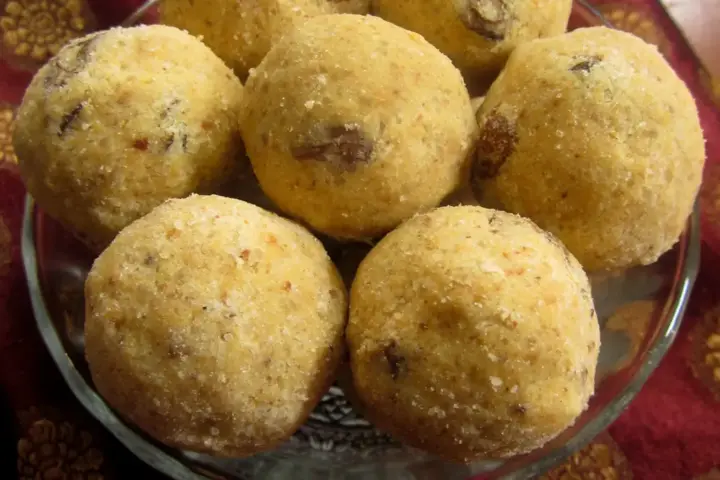
Dates provide natural sweetness when mixed with nuts and spices, offering an alternative sweetening method for traditional sweets and desserts. Dates contain fiber, minerals including potassium and magnesium, and antioxidant compounds absent in refined sugar. Blended dates create smooth pastes suitable for layering with nuts in traditional confections, delivering familiar flavor profiles through whole food ingredients. Date-based sweets complement Diwali’s spiritual emphasis on purity and natural abundance, grounding celebration in agricultural products rather than industrial refinement.
A nutritious thali can feature leafy greens with minimal oil, creating balance across the feast plate. Spinach or mustard greens lightly sautéed with spices and garlic provide iron, calcium, and vitamins that complement heavier feast components. Legume-based curries, including lentil preparations and chickpea dishes, deliver protein and fiber that create satiety while supporting sustained energy. Whole grain breads replace refined flour versions, maintaining the bread component central to Indian meals while increasing nutritional completeness.
Beverages during Diwali celebrations can emphasize spiced milk-based drinks, herbal teas, and fruit-infused waters rather than sugar-sweetened options. Warm turmeric milk, the traditional wellness drink, provides inflammation-supporting compounds alongside satisfaction from warm, creamy texture. Cardamom and ginger infusions aid digestion after substantial meals, addressing practical needs while maintaining festive beverage tradition. These choices honor the Ayurvedic principles embedded in Indian foodways, where specific spices and preparation methods support health alongside pleasure.
Priority PAA: How can families reduce fat in traditional Diwali snacks? What nutritional benefits do dates provide? Which Diwali curry ingredients support digestive health? How do traditional spices enhance Diwali meal nutrition?