 Karmactive Staff
California is under a statewide emergency proclamation, issued by Governor Gavin Newsom on September 21, 2026, citing a forecast strong El Niño and the risk of flooding, coastal erosion, landslides and power outages over the coming winter months. The proclamation directs state agencies to protect vulnerable communities, prepare infrastructure and stage emergency supplies before conditions worsen.
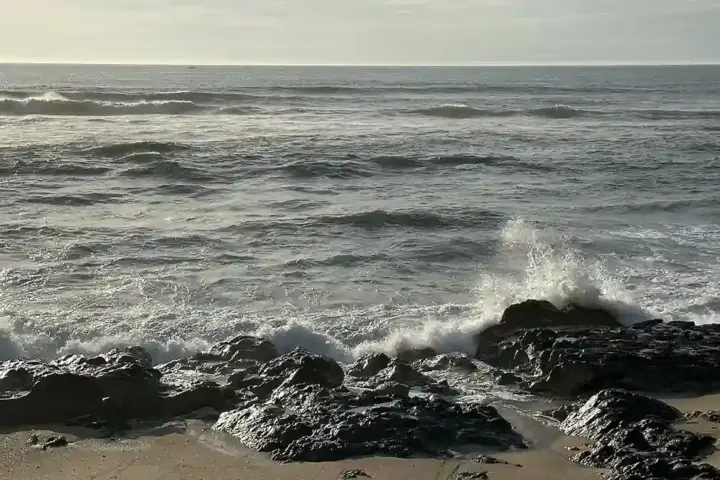
The governor’s office described the declaration as a way to mobilize resources ahead of worsening conditions rather than in response to a single event. El Niño is a periodic warming of the central and eastern tropical Pacific that can alter atmospheric circulation and increase the risk of wetter-than-average conditions in parts of California. The state’s steep terrain, fire-scarred hillsides and aging levee systems make it vulnerable to cascading impacts when rain volume exceeds normal levels.
The emergency declaration signals that state agencies are preparing before the most severe winter impacts arrive. Residents should monitor official local warnings, review evacuation plans and prepare for possible flooding, coastal erosion, power outages and travel disruptions. A strong seasonal forecast does not determine the exact location or timing of every storm, so preparation should remain flexible.
This type of preemptive declaration differs from an immediate disaster declaration. It doesn’t confirm flooding is imminent in specific locations; it means state agencies can act faster—pre-positioning personnel and coordinating with counties on emergency preparations. Residents who wait for a disaster declaration before preparing may find supplies sold out and evacuation routes congested.
Households in flood or landslide zones should know their evacuation route, keep emergency supplies ready, clear gutters and nearby storm drains, and check whether their insurance covers flood damage. Standard homeowners and renters policies generally exclude flood inundation; NFIP or private flood insurance may cover it, subject to policy terms. New NFIP policies generally have a 30-day waiting period after purchase before they take effect, so this storm season won’t be covered for new buyers—though future seasons can be.
Local National Weather Service offices will issue specific flood watches, warnings and evacuation orders as individual storms approach. WMO forecasters have separately flagged elevated flood risk linked to this El Niño pattern across multiple regions. Those alerts carry the location-specific detail that matters for individual decisions. County emergency management websites and local alert systems are more useful than national weather apps for that purpose. The proclamation remains subject to its legal terms and any later modification or termination by the governor’s office.