 Rahul Somvanshi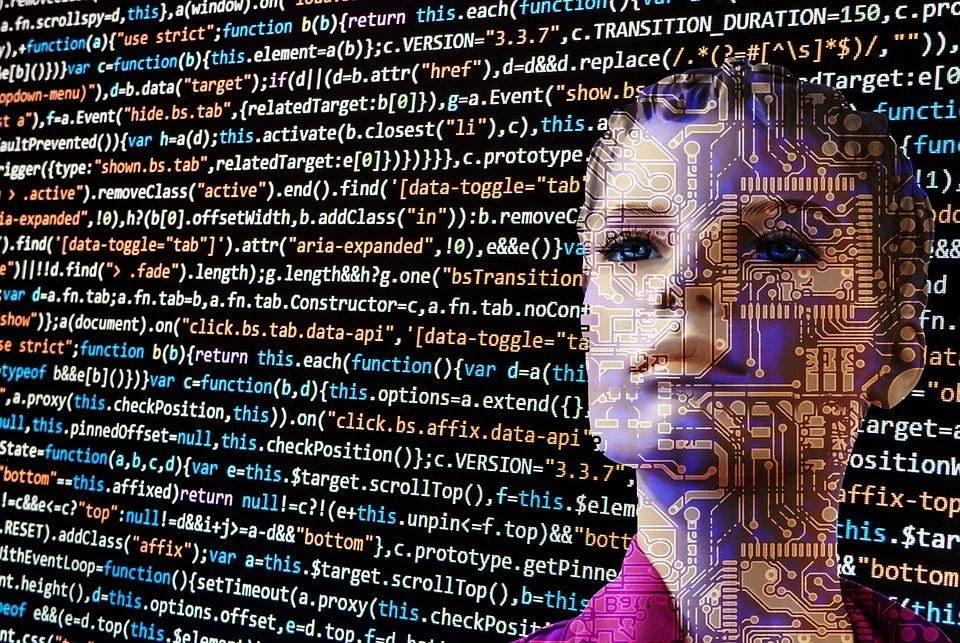
Nvidia CEO Jensen Huang has publicly dismissed near-term warnings about AI causing human extinction, calling such predictions exaggerated. His comments have renewed a debate that has been running between technology executives and AI safety researchers for several years — one where the stakes and the arguments remain sharply contested.
In an interview that aired on CBS News on September 20, Huang characterised warnings about AI causing near-term human extinction as overblown “doomsday narratives,” saying “2030 is not going to be the end of the world.” Additional coverage from The Guardian and Fox Business placed the remarks in the context of broader AI safety debates, including warnings from some researchers and industry leaders who have argued that advanced AI systems pose risks serious enough to warrant regulatory intervention. Huang did not address specific technical arguments in the reports; his position was framed as a rejection of catastrophic short-horizon predictions, particularly those referencing a 2030 timeline.
The practical question for readers following this debate is not whether one executive or one group of researchers is right — that remains genuinely unresolved. The question is how to weigh competing claims when the people making them have different stakes, different methodologies, and different definitions of the risk. Nvidia is a major supplier of AI chips and a central player in AI infrastructure development. Researchers warning about extinction risks include people at well-funded AI safety organisations whose assessments vary significantly. Neither position cancels the other out as evidence.
What the Competing Arguments Actually Are
Proponents of treating AI extinction risk as a serious near-term concern, including some researchers at well-funded AI safety organisations, argue that advanced AI systems may develop capabilities and goals misaligned with human survival, and that the pace of AI development is outstripping the research needed to make those systems safe. They typically do not claim certainty; they argue the probability is high enough to warrant aggressive precautionary action now.
Huang’s counter-position — and it is the position of many in the technology industry — is that current AI systems are tools under human control, that doomsday timelines are speculative, and that framing AI as an existential threat distorts the public conversation about the technology’s actual near-term effects. He also suggested, in remarks reported by CBS, that some AI firms calling for regulatory slowdowns were seeking relief from existing legal obligations rather than genuinely embracing new restrictions.
There is no scientific consensus that AI will destroy humanity by 2030. There is also no consensus that the risk is negligible. Predictions differ significantly, and the likelihood of extreme outcomes remains uncertain — a fact that does not resolve the debate in either direction.
What did Jensen Huang say about AI extinction?
Huang characterised near-term warnings about AI causing human extinction as “doomsday narratives” in an interview that aired on CBS News on September 20. He said “2030 is not going to be the end of the world” and disputed claims that AI could destroy humanity within a short timeframe.
Karmactive’s coverage of the AI safety research landscape and how regulators are responding to AI risk warnings has background on the broader debate Huang’s comments entered.
Huang’s remarks represent one prominent voice in an ongoing argument that will not be settled by executive confidence or researcher alarm alone. The debate is expected to continue as AI capabilities develop and regulatory proposals advance through 2026 and beyond.
—
AI regulation and safety: King Charles AI summit and OpenAI safety reports.