 Karmactive Staff
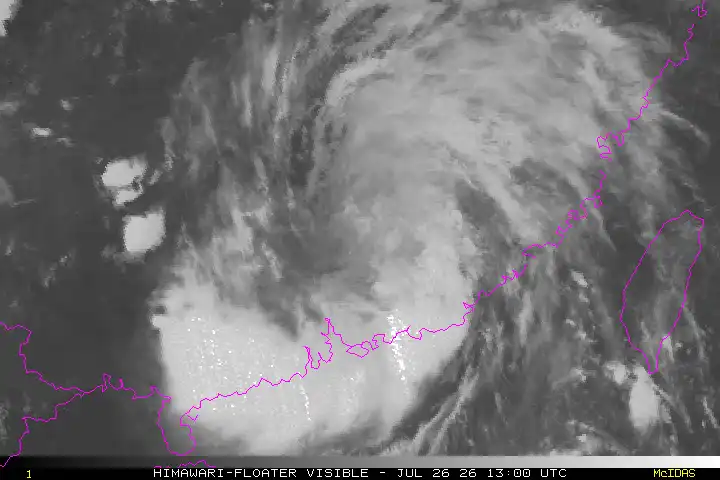
Tropical Storm Fay has formed in the North Atlantic as the sixth named storm of the 2026 hurricane season, and no US land hazards were listed in the NOAA.gov/” target=”_blank” rel=”noopener”>National Hurricane Center‘s September 21 advisory. As of that advisory, the storm was weakening and tracking over the open Atlantic, well away from populated land areas.
The National Hurricane Center reported Tropical Storm Fay at approximately 655 kilometers southwest of the Azores on September 21, with maximum sustained winds of 65 mph and a central pressure of 997 mb, moving with slow south-southeast motion. The National Hurricane Center reported no coastal watches or warnings in effect and listed no land hazards in the current advisory. Fay is the sixth named storm of the 2026 Atlantic season, with maximum winds currently below hurricane strength.
Although Tropical Storm Fay remains centered far offshore in the North Atlantic, no land hazards were listed in the NHC advisory as of September 21. The National Hurricane Center’s latest advisory listed no coastal watches or warnings. Maritime operators in the North Atlantic should consult current NHC advisories for any small-craft guidance, while coastal residents can rely on the NHC’s regular updates to monitor any track changes.
The National Hurricane Center noted that Fay was being affected by strong vertical wind shear and dry air, conditions expected to drive further weakening. The link between rising sea surface temperatures and extended tropical cyclone activity at higher latitudes is part of the documented pattern behind Atlantic hurricane season trends — though attributing any individual storm to long-term warming requires separate scientific analysis beyond the current advisory.
Is Tropical Storm Fay expected to hit the United States? No. According to the National Hurricane Center, Tropical Storm Fay was located approximately 655 kilometers southwest of the Azores on September 21, moving with slow south-southeast motion. The NHC advisory lists no land hazards and no coastal watches or warnings are in effect for any US territory.
Consult the latest NHC advisory for current information on Fay’s status until it dissipates or transitions out of the tropics. The NHC’s current advisory lists no land hazards, but coastal residents can monitor regular NHC updates for any track changes. For context on the 2026 Atlantic hurricane season, see Tropical Storm Dolly Atlantic 2026. Check back for updates.
Hurricane season: 2026 hurricane season overview and Florida hurricane forecast.