 Karmactive Staff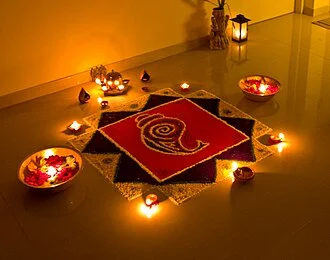
Diwali arrives on November 6, 2026, bringing families together for one of the world’s most joyful festivals. The festival of lights celebrates victory and renewal, and for millions of people, that celebration centers on illumination—from traditional oil lamps to electric candles to fireworks lighting up the night sky. This year, making small shifts in how you celebrate can mean cleaner air, safer neighborhoods, and less waste without losing any of the warmth and meaning Diwali holds. Learn more about Diwali.
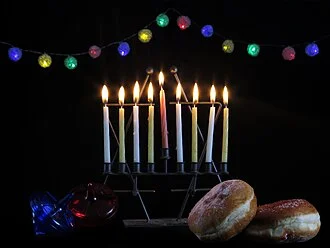
The most visible change many households are making involves diyas, the small lamps at the heart of Diwali traditions. Clay diyas, the traditional choice, come from local potters and biodegrade after the festival ends. They’re beautiful and support artisans directly. But they do require oil—typically paraffin or ghee—and come with fire safety considerations if you have young children or pets at home. LED diyas offer a practical middle ground: they eliminate fire risk indoors, last for years, and use minimal electricity. Some families use clay diyas on the porch and LED lights inside. Both approaches work. The key is thinking through your specific home setup rather than assuming there’s only one right way. Eco-friendly Ganesh Idol Sources offer similar sustainable celebration approaches.
The same thoughtfulness applies to rangoli, the colorful floor designs that grace entryways during Diwali. Traditional rangoli uses powdered spices, flower petals, colored rice, and sand—all materials that naturally break down and can be composted or swept back into garden soil. These are genuinely waste-free if you source ingredients you’d use anyway. Some people buy pre-made colored powders specifically for rangoli, which is fine, but checking what’s in them matters. Synthetic dyes can wash into storm drains. Natural materials—beetroot powder for red, turmeric for yellow, activated charcoal for black—work beautifully and break down safely.
Food is where many households could shift their approach most easily. Diwali feasts often produce surplus sweets and savory dishes. Planning portions more carefully, cooking smaller batches, or coordinating potluck-style meals with neighbors means less food waste and more connection. If you do have leftover sweets or snacks, sharing them with local food banks, shelters, or neighbors reduces waste and builds community. Packaging matters too. If you’re gifting homemade treats, cloth wrapping or reusable containers replace single-use plastics.
Water pollution during Diwali comes largely from idol immersion. Many families perform this ritual by placing clay idols in local water bodies. Clay itself is fine, but any paint or non-biodegradable materials on the idol can contaminate water and harm fish. If your community performs immersion, look for idols made entirely from clay or natural materials without synthetic coatings. Some communities now use large communal immersion tanks or artificial ponds that filter water afterward, reducing impact on natural water systems. Ganesh Visarjan 2026 addresses similar water body protection themes.
Fireworks deserve careful attention, especially if you live in an area where families set off their own displays. Air quality in neighborhoods where heavy fireworks are used can drop during and after Diwali, affecting people with asthma, young children, and elderly residents. If you enjoy fireworks, attending organized city displays means professional handling, better safety protocols, and concentrated impact rather than distributed neighborhood use. If your family sets off fireworks at home, choosing quieter, less smoky varieties protects both the environment and your neighbors’ health. Some new firework types produce less particulate matter. Check what’s available in your area. Fireworks environmental impact is well documented.
For pets and wildlife, the noise and smoke from fireworks causes genuine distress. Keeping pets indoors during fireworks hours, closing windows, and playing calming music can help. If you’re aware of nesting birds or other animals in your area, skipping fireworks or using quieter alternatives honors their wellbeing during what’s already a stressful season.
Air quality inside your home matters too. The combination of diyas, cooking, and fireworks smoke can raise indoor particulate levels noticeably. Using a HEPA filter in your main living spaces during Diwali week can help, especially if anyone in your household has respiratory concerns. Opening windows during less smoky hours allows fresh air circulation.
The spirit of Diwali is about light overcoming darkness, about care and connection. Those values extend beautifully to how we celebrate. None of these shifts requires sacrificing joy or tradition. Instead, they’re ways of extending that same care to the people around you—your neighbors, the water systems your community depends on, the animals sharing your space, and future generations who’ll celebrate their own festivals in the places you help protect now. This Diwali, light your space the way that feels right to your family, and consider one small change that aligns with the renewal the festival represents. Climate Change Drying Water Bodies highlights the broader environmental context.