 Sunita Somvanshi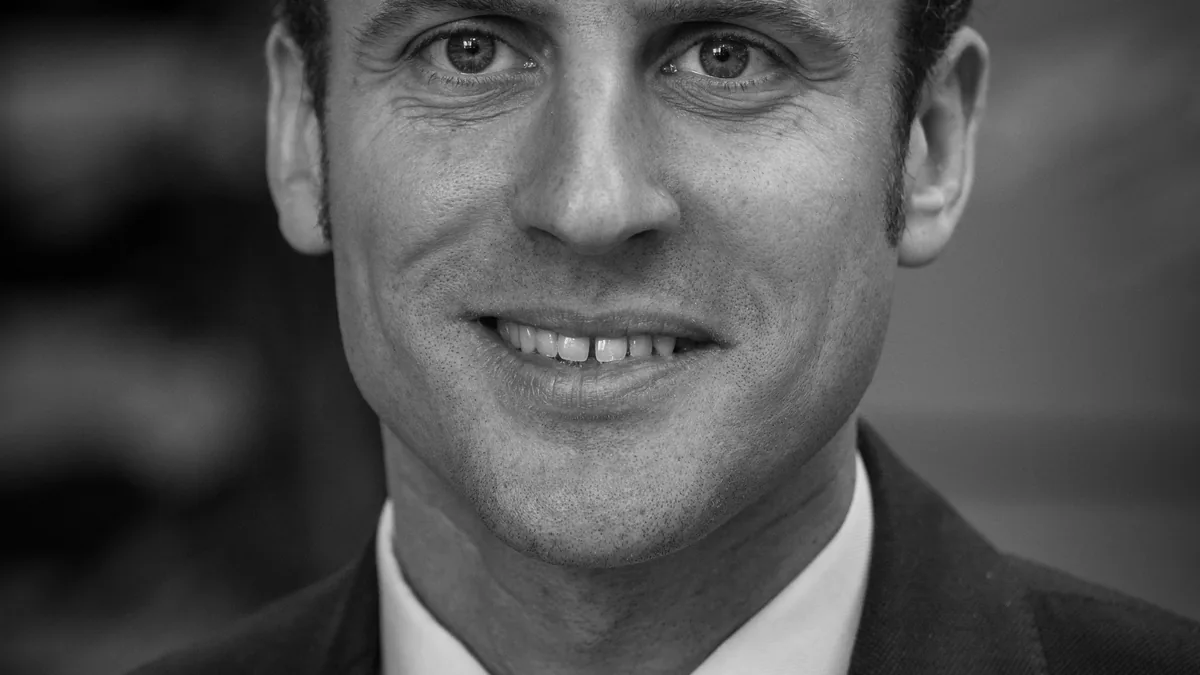
The meeting could have taken place in Paris or Ottawa. It didn’t.
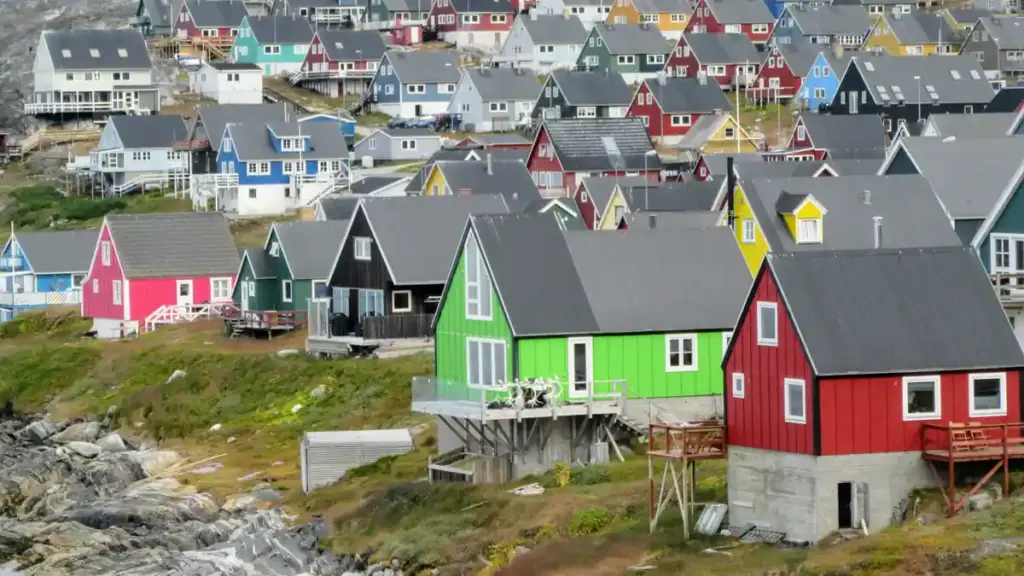
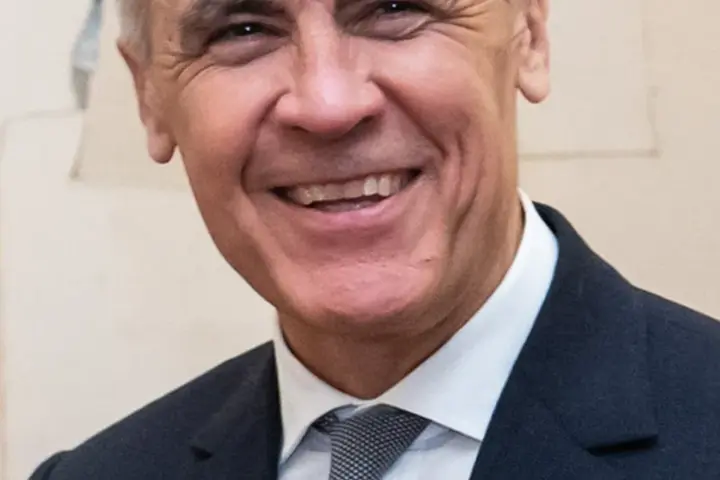
French President Emmanuel Macron and Canadian Prime Minister Mark Carney held talks in Saint-Pierre-et-Miquelon, a French overseas territory sitting about 20 kilometres off the Newfoundland coast. The choice of location was not incidental. For both governments, this small archipelago — France’s only remaining possession in North America, with a population of roughly 6,000 — carries a weight in bilateral negotiations disproportionate to its size.
Official statements from both governments confirmed the meeting covered bilateral economic cooperation across a broad range of areas, including aerospace, energy, critical minerals, fishing, transport, university exchanges and trade. The discussions come at a moment when France and Canada are navigating shared interests in the North Atlantic, with both governments citing increasing bilateral alignment in a changing geopolitical environment.
Saint-Pierre-et-Miquelon is not a symbolic neutral site. It is the specific piece of geography around which many of the practical tensions and opportunities in Canada-France relations sit. The territory’s exclusive economic zone overlaps with Canadian waters — a jurisdictional reality that was partially settled by a 1992 boundary ruling but has continued to shape fishing-access negotiations between the two countries. By holding talks there, both leaders signalled that these conversations are about the actual geography in question, not just diplomatic abstraction.
What the Meeting Means Beyond the Location
For France, Macron’s visit reinforces a strategic interest in maintaining an active North American presence at a time when European powers are reassessing how they project influence beyond their immediate neighbourhood. Saint-Pierre-et-Miquelon gives France a physical foothold, a legal EEZ, and a symbolic presence in North America that most European nations lack.
For Canada, Carney’s engagement reflects a foreign policy posture increasingly focused on deepening ties with European partners. Macron announced that the two governments had agreed on a “deep rapprochement” covering fishing, security, and energy — a concrete outcome that goes beyond the general framework. The Canada-EU Comprehensive Economic and Trade Agreement remains a reference point for what structured bilateral cooperation looks like, and the Saint-Pierre-et-Miquelon meeting deepened that framework at the bilateral level.
The specific outcomes confirmed by Macron’s office include cooperation on petroleum products, liquefied natural gas, and the broader energy partnership the two countries are building.
President Macron is using Saint-Pierre-et-Miquelon to reinforce France’s North American presence and to discuss energy trade and economic cooperation directly with Canadian counterparts. The territory’s geographical position makes it the most direct setting for those specific conversations.
Any further details from official communications should be checked through both governments’ official channels in the days following the meeting.