 Sunita Somvanshi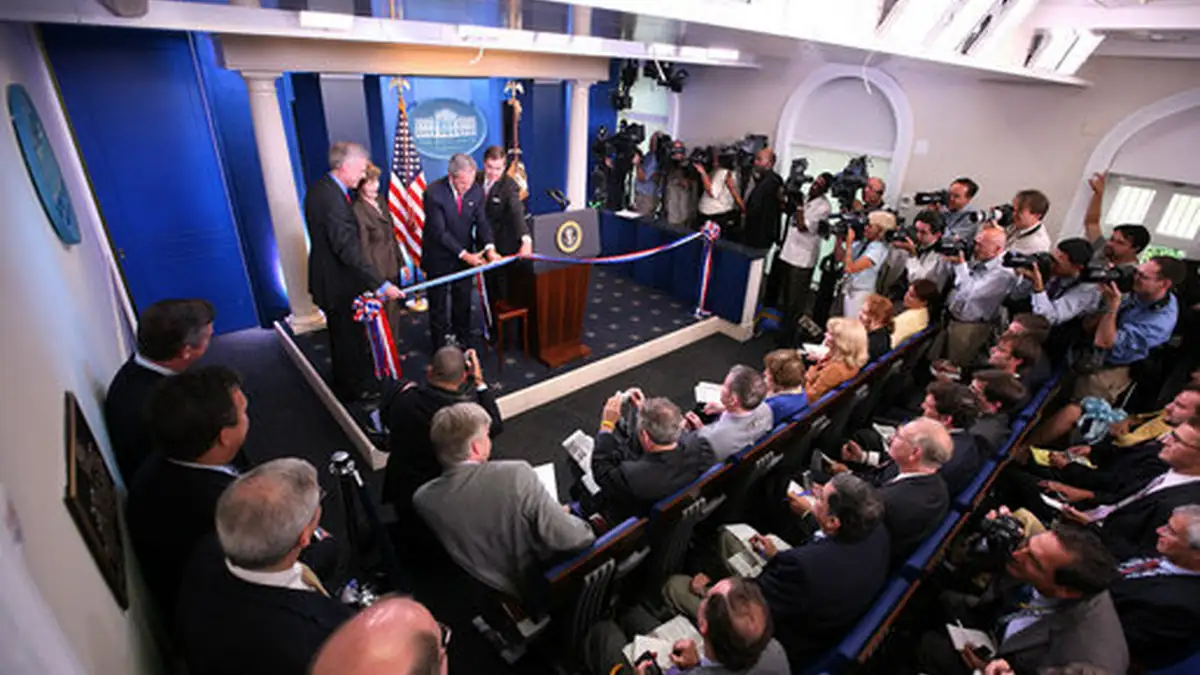
The White House revoked press access for journalists from CNN, Politico, and MSNOW effective September 18, in a move that prompted an immediate response from the affected outlets and a formal condemnation from the White House Correspondents' Association.
CNN’s Betsy Klein, MSNOW’s Akayla Gardner, and Politico’s Cheyenne Haslett were among the reporters denied entry when they attempted to access the White House on September 19. Press passes were seized or deactivated. President Trump, in stating the rationale, cited “fake news” as the basis for the decision. The WHCA stated on September 19 that the action violated the First Amendment and called for the access to be restored.
Press access to the White House operates through a credentialing system administered by the White House press office. The White House Correspondents’ Association acts as an industry body representing credentialed reporters and has historically played a role in advocating for access standards. Accreditation provides access to briefings, pool reports, and press gaggles — the formal and informal access points that form the basis of day-to-day White House reporting.
The current dispute centers on whether the executive branch acted lawfully in removing those credentials based on the content or perceived editorial stance of the affected organizations. Politico stated that it would “vigorously defend our First Amendment rights.” MSNOW said it “intends to take any and all steps necessary to defend our First Amendment rights.”
What This Means for Coverage of the White House
A reporter who loses access to the briefing room does not lose the legal right to report on the White House. But the practical consequence is significant. Pool access, daily briefings, and the ability to ask questions directly of the press secretary or the president are not available to credentialed reporters only — they are exclusively available to credentialed reporters. An outlet shut out of that system must rely on what it can obtain through FOIA, secondary sources, or rival pool reports shared under the pool system’s protocols.
The WHCA’s concern, stated in its September 19 condemnation, is not only about the immediate practical loss to the three affected organizations — it is about whether excluding news organizations on viewpoint-based grounds becomes an established practice.
Whether the affected outlets pursue legal action and what form that takes will be the next development in this dispute.