Sunita Somvanshi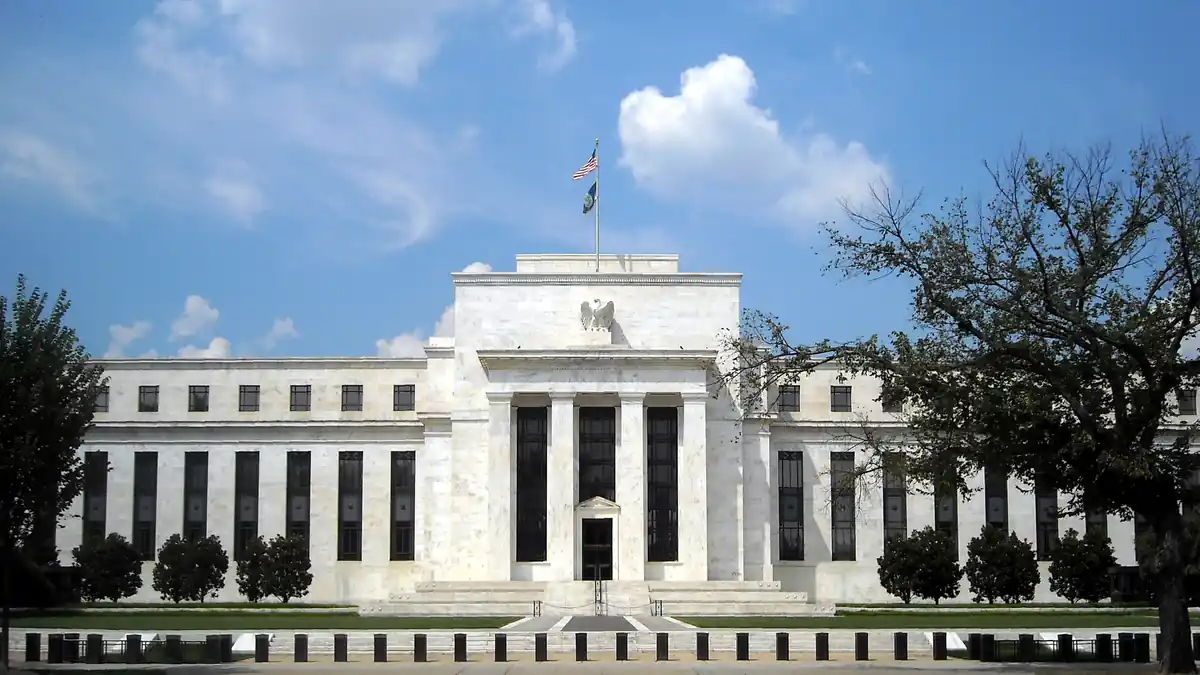
The Federal Reserve has raised its benchmark interest rate by a quarter of a percentage point, bringing the federal funds target range to 3.75%-4%. The decision came from a unanimous 12-0 vote by the Federal Open Market Committee.
The Fed's statement says inflation remains elevated and that the rate increase supports returning inflation to the Committee's 2% target over time. It also says domestic spending is resilient, productivity growth is strong and capital investment is robust — conditions the Committee used to justify holding policy at a restrictive level rather than holding or cutting.
For US borrowers and savers, the rate level matters more than the size of this particular move. At 3.75%-4%, the federal funds rate remains well above where it sat through most of the decade before 2022. That level feeds through to credit cards, auto loans, home equity lines of credit, and adjustable-rate mortgages — products that reprice relatively quickly when the policy rate changes. Fixed-rate mortgages move more independently, tracking long-term bond yields rather than the Fed's overnight rate directly.
What the rate level means for borrowers and savers
Variable-rate debt — including most credit cards and many home equity products — tends to follow the federal funds rate with a short lag. Borrowers with variable-rate debt can be affected by changes in the federal funds rate, although the timing and size of the effect vary by product.
Savers in high-yield deposit accounts and money-market funds have benefited from the same rate environment. Rates on those products have been meaningfully higher than they were during the near-zero rate era. Whether that continues depends on the Fed's next moves.
The 12–0 vote means none of the FOMC members who voted at the meeting dissented from the decision. In recent years, FOMC decisions have sometimes drawn dissents from members who wanted faster or slower action.
President Trump has publicly called for lower interest rates on multiple occasions. The Fed's statement does not mention Trump's calls for lower rates and instead cites inflation and economic conditions.
The Fed's next scheduled meeting will provide the next formal opportunity to reassess the rate path. Markets will be watching upcoming inflation data closely for signs of whether further increases are likely or whether the current rate is sufficient to bring inflation back to target.
What did the Fed do and why?
The Federal Reserve raised its federal funds target range by 25 basis points to 3.75%-4% at its September 2026 meeting, with a 12-0 unanimous vote. The Fed's statement cites elevated inflation and resilient economic activity as the basis for the decision. The rate increase is aimed at returning inflation to the Committee's 2% goal. The practical effect on consumers depends on the type of debt or savings product and how quickly each reprices in response to the policy rate.