 Sunita Somvanshi
Wall Street came under pressure as oil prices rose and the 10-year Treasury yield moved toward 5%, reviving concern that inflation and interest-rate expectations could remain difficult for equities.
The opening should not use an unsupported $88 WTI figure. The corrected framing is that September 15 market coverage described oil-price pressure and a 10-year yield near the 5% threshold, with exact levels depending on the benchmark and timestamp.
The 10-year Treasury yield is the market-implied return on 10-year U.S. government debt at current prices. It is not simply a coupon rate. When yields rise, bond prices fall and the discount rate used in stock valuation also rises.
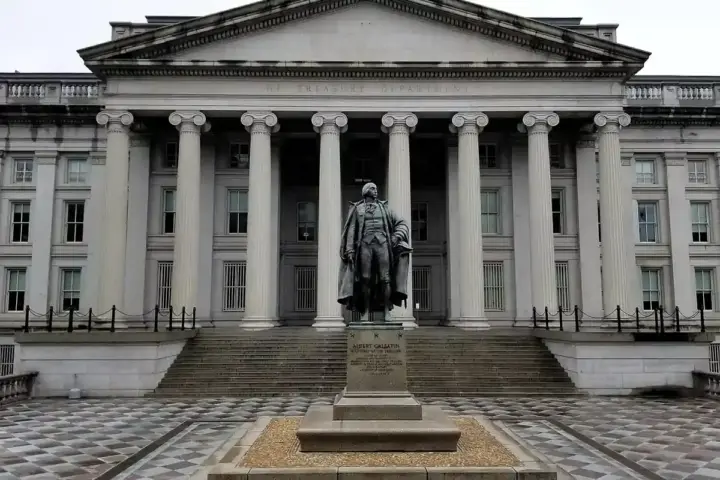
Official yield data can be checked through the U.S. Treasury yield curve, while oil benchmarks can be checked through EIA crude oil spot prices.
Karmactive has followed the same market context through its 10-year Treasury yield report and oil-supply coverage such as the Saudi East-West Pipeline shutdown.
The article removes unsupported claims about algorithmic hedging, sector performance and investment advice. It covered the mechanism: higher oil can add inflation pressure, higher yields can weigh on valuations, and both can shape a risk-off session.