 Govind Tekale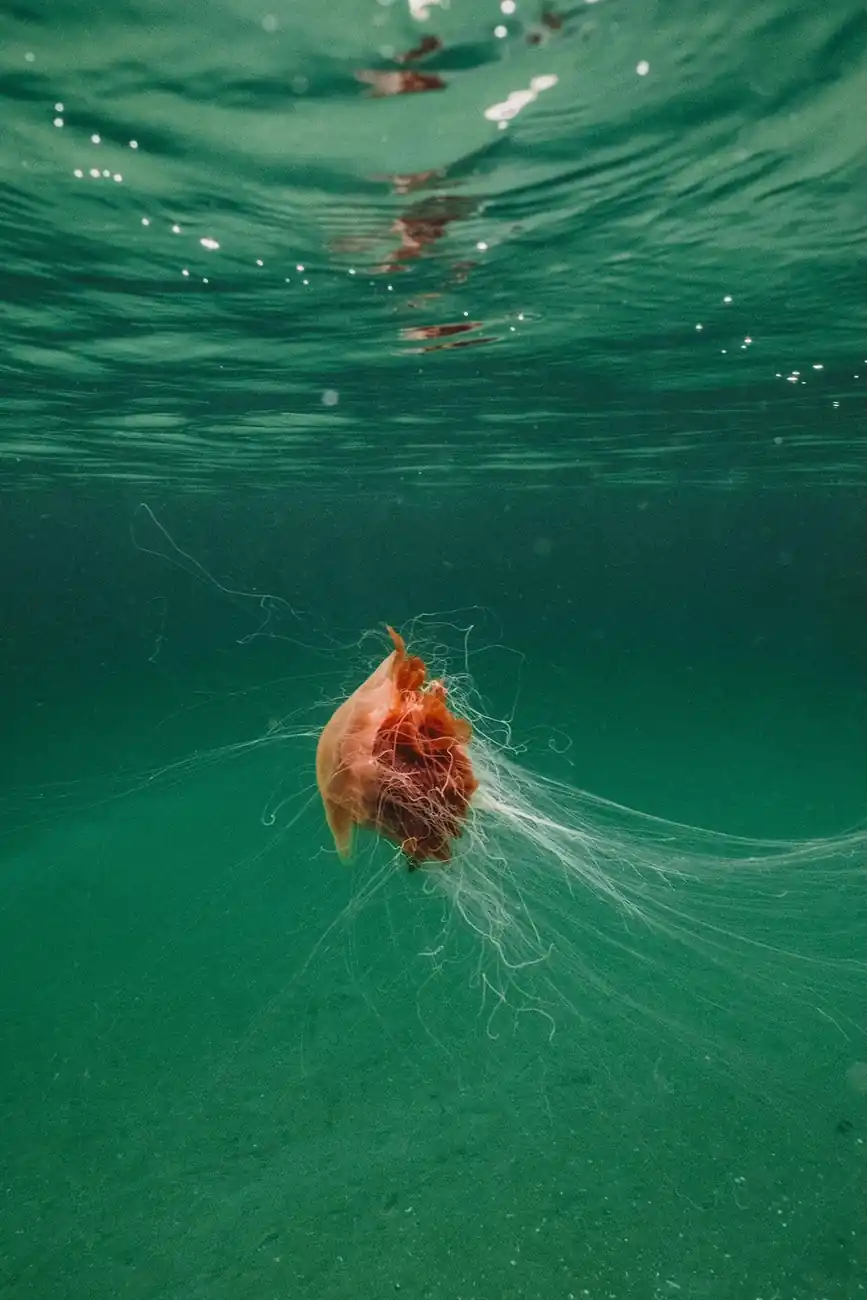
A giant lion’s mane jellyfish has been filmed off the Pembrokeshire coast by a free diver, with trailing tentacles estimated at between 10 and 15 metres — roughly the length of a double-decker bus. The footage was captured by Iestyn Morgan near Trefin on the Pembrokeshire coast and shows one of the largest species of jellyfish found in UK coastal waters moving through shallow water close to shore.
If you are swimming, paddling, or walking dogs along the Pembrokeshire coastline this week, watch both the water and the tideline closely. Lion’s mane jellyfish deliver painful, persistent stings even when washed ashore and appearing dead. If stung, do not use fresh water or urine — scrape away any visible tentacles with a clean plastic card and soak the skin in sea water, or apply hot water (as hot as is comfortable) to help neutralise the venom.
What the Footage Actually Shows
The commonly shared figure of “40 feet” refers to the trailing tentacles — not the diameter of the jellyfish’s bell, which is the dome-shaped body of the animal. Lion’s mane jellyfish (Cyanea capillata) have bells that typically reach around 50 centimetres in diameter in UK waters, though exceptional specimens can reach up to 2 metres across. Their tentacles trail behind them in long, hair-like clusters and carry the stinging cells.
That distinction matters for context: the footage shows a large but not biologically impossible specimen. The footage was identified as a lion’s mane jellyfish (Cyanea capillata) — the largest jellyfish species regularly found in UK coastal waters — in reporting about the sighting.
Why They Appear in Welsh Waters in Late Summer
Lion’s mane jellyfish are more commonly associated with Scottish and northern waters. Their appearance off Pembrokeshire in September is unusual but not unprecedented. Late summer current patterns can occasionally carry pelagic jellyfish into shallower inshore bays.
The Marine Conservation Society operates a jellyfish sighting database and monitors these incursions as part of broader marine health tracking.
The Sting Risk That Beaches Don’t Warn About
The most under-reported risk from lion’s mane jellyfish is not the living animal in the water. It is the tentacles that detach and float invisibly through the surf — or wash ashore alongside the dead carcass.
Severed tentacles from a lion’s mane jellyfish retain active stinging nematocysts even after separation from the animal. A tentacle that looks like stranded seaweed on wet sand can still sting a child or dog that steps on it.
Lion’s mane stings are not typically fatal in UK waters for healthy adults, but they cause severe localised pain, red welts, and in susceptible individuals can trigger allergic or respiratory reactions. The severity is proportional to the amount of skin contact and individual sensitivity.
You can also read about another unusual jellyfish discovery — a Japanese student’s new species that challenged marine biology norms, or check safety guidance in relation to box jellyfish season in Queensland.
Are lion’s mane jellyfish dangerous in the UK? Lion’s mane jellyfish stings are not typically fatal to healthy adults in UK waters, but they cause severe localised pain, red welts, and occasional respiratory or allergic reactions in susceptible individuals. Contact should be avoided both in water and on beaches, as detached tentacles retain active stinging cells even after the jellyfish has died.
What should you do if stung by a lion’s mane jellyfish? Do not use fresh water or urine — both can worsen the reaction. Scrape any visible tentacles away using a clean plastic card or edge. Rinse with sea water, then apply hot water (as hot as is comfortable without burning) to the affected area. Seek medical attention if symptoms include difficulty breathing, chest tightness, or widespread swelling.
Where are lion’s mane jellyfish found in Wales? Lion’s mane jellyfish are occasional visitors to Welsh coastal waters, most likely to appear in late summer and autumn. Sightings have been recorded off the Pembrokeshire coast, including near Trefin. They are more commonly found in northern and Scottish waters year-round.
Closure
The lion’s mane jellyfish filmed near Trefin, Pembrokeshire, is identified as a Cyanea capillata specimen, footage captured by local free diver Iestyn Morgan. Its presence reflects late-summer current patterns that can bring pelagic jellyfish into Welsh inshore waters. Coastal visits to the Pembrokeshire coast should include awareness of both jellyfish in the water and detached tentacles on the tideline. The Marine Conservation Society’s public jellyfish sighting database accepts reports and uses them to track species range changes around the UK coastline.