 Sonali Tiwary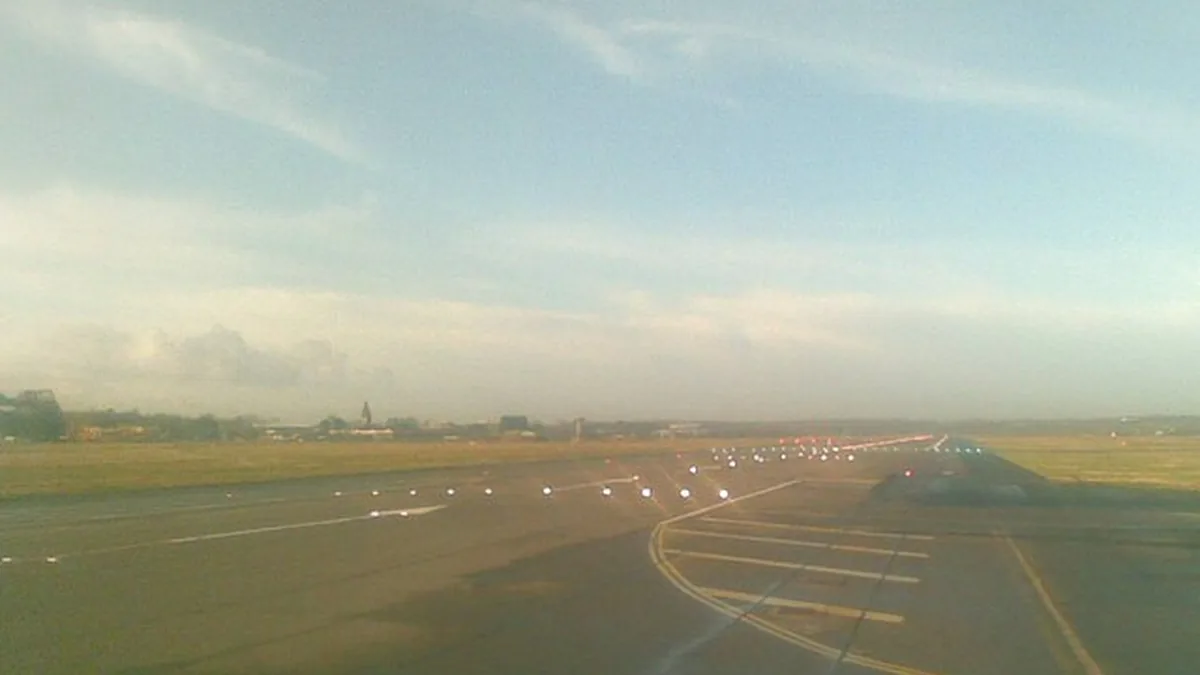
On Friday, September 4, 2026, London Gatwick Airport’s runway was closed for 50 minutes after an aircraft developed a technical fault. The airport confirmed that the aircraft was towed away and the runway reopened following a safety inspection. Flights resumed after the clearance.
The closure temporarily halted normal runway operations and created knock-on disruption.
Gatwick operates effectively as a single-runway airport for normal operations, with the main runway designated 08R/26L. Gatwick reported its maximum scheduled aircraft movements at 57 per hour in 2026.
When the main runway becomes unavailable, normal take-offs and landings are temporarily suspended.
Some inbound aircraft were held or diverted while the runway was unavailable, with those carrying limited fuel reserves facing the hardest time constraints. Some inbound aircraft were diverted to alternative airports during the closure. Departures were also affected while the runway was closed.
When the runway reopened, the backlog did not clear instantly. Air traffic sequencing is tightly managed. An hour of disruption at an airport operating at near-maximum capacity can produce knock-on delays for the rest of the day as aircraft, crews, and slot allocations are redistributed.
Gatwick’s situation also illustrates something that is not widely understood. The airport actually has two runways, but they are positioned too close together for simultaneous independent operation under current regulations. In practical terms, on any given day, Gatwick is a one-runway airport.
For passengers caught in disruptions like this, UK261 regulations set out what airlines owe. Under UK261, the threshold for care is at least two hours for flights under 1,500 km, at least three hours for flights between 1,500 km and 3,500 km, and at least four hours for flights over 3,500 km; care can include meals and refreshments and, when necessary, overnight accommodation.
Where UK261 applies, passengers may have a right to re-routing to their final destination at the earliest opportunity, including on another airline in appropriate circumstances.
Compensation entitlement is a separate question and depends on the specific circumstances — whether the disruption meets the legal definition of an extraordinary circumstance. Passengers should keep all receipts for reasonable expenses incurred during the disruption.
Passengers should check their airline’s live flight status and the latest airport information during disruptions.