Boeing’s $8.4 Billion Spirit AeroSystems Deal Cuts Defects 45 Percent but Costs Rise

September 4, 2026
1 min read
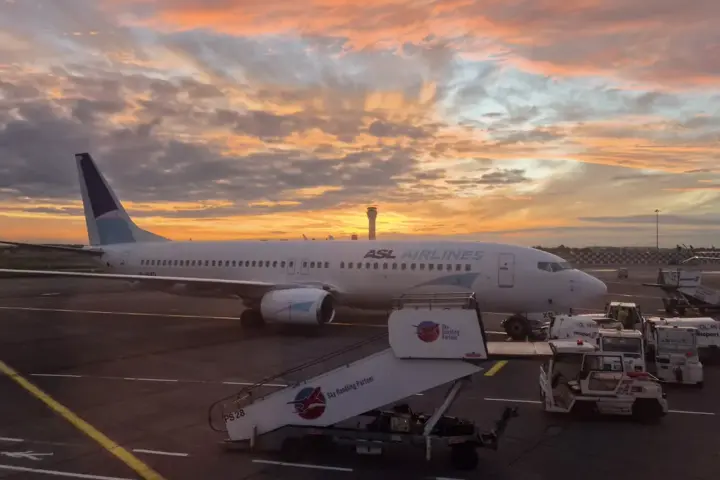
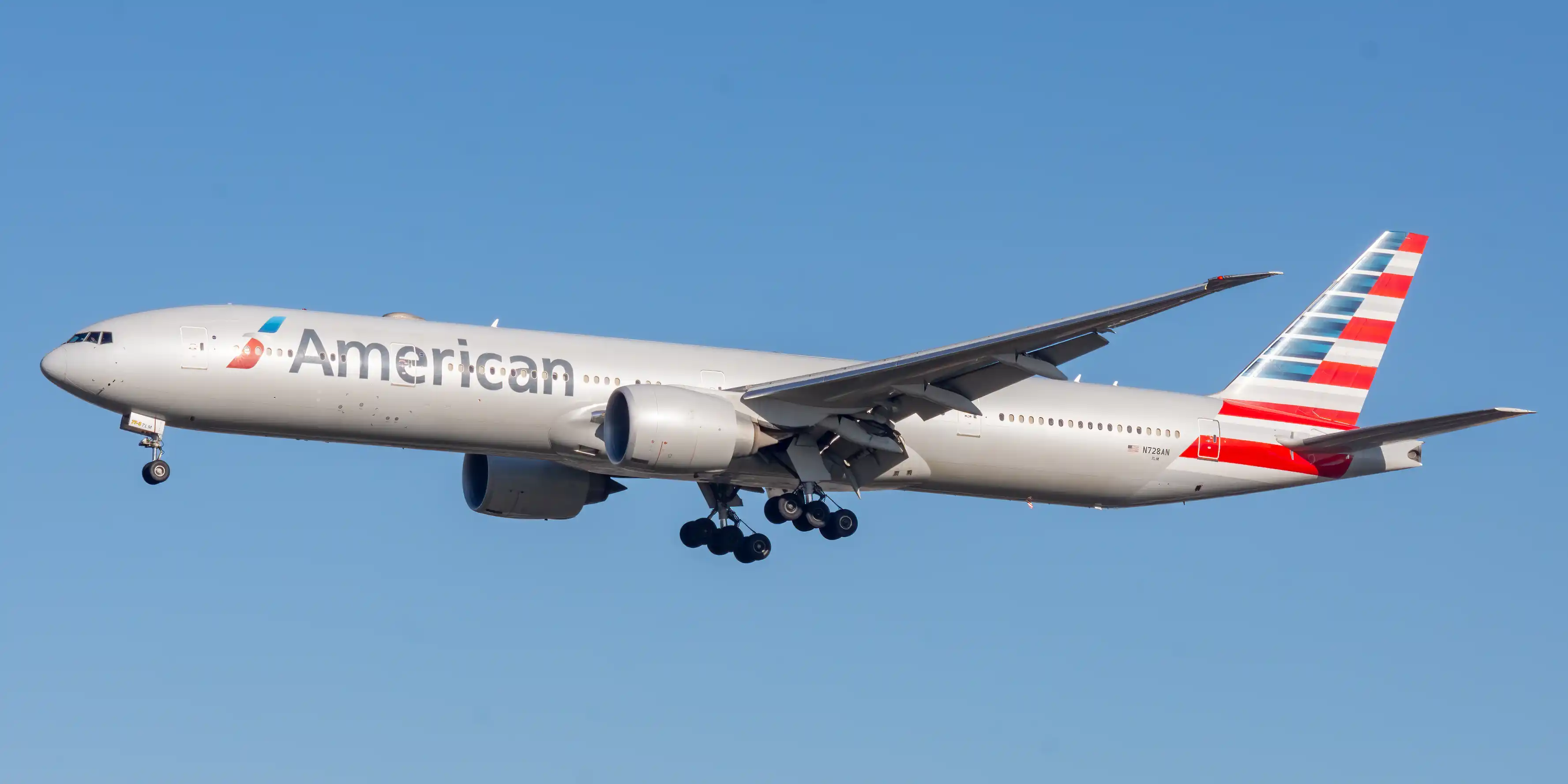
Side profile of an American Airlines Boeing 777-300ER widebody jetliner on an airport taxiway.

A twin-engine widebody aircraft navigates the airport tarmac, representing the commercial end-product of global manufacturing networks that require exact precision across thousands of structural components. Behind the delivery of premium passenger fleets lies an intricate supply-chain balance where internalizing aerostructure fabrication to eliminate assembly defects can unearth unexpected balance-sheet liabilities exceeding 1.9 billion dollars. [Photo Source: Wikimedia Commons / aeroprints.com, CC BY-SA 3.0]

Boeing completed its reacquisition of Spirit AeroSystems in December 2025, a deal that illustrates the complex challenges of modern aerospace manufacturing. Boeing’s SEC filing records $8.389 billion in total consideration, including Boeing stock and additional amounts related to loans, debt, notes and share-based awards.

Spirit AeroSystems manufactures critical fuselage sections for the 737 MAX, and Boeing said bringing the operations in-house would support safety, quality and production stability. The Wichita inspections drove a reported 45 percent drop in fuselage defects after new end-of-line checks were introduced.

Boeing’s preliminary purchase-price allocation shows about $1.9 billion in excess assumed liabilities before goodwill. In the second quarter of 2026, Boeing reported $24.56 billion in revenue, underscoring how large the company remains despite ongoing production pressure and financial strain.
Sonali Tiwary

Sonali Tiwary is an aviation technology writer and aeronautical engineer who brings her technical expertise to Karmactive.com's coverage of the aerospace industry. With engineering studies completed through The Aeronautical Society of India, she specializes in breaking down complex aviation innovations, emerging mobility technologies, and the latest developments in sustainable aviation. Sonali's passion for flight technology drives her to explore and explain how cutting-edge aerospace solutions are shaping the future of air transportation, making the fascinating world of aviation accessible to all readers.

Leave a Reply

Your email address will not be published.

Cafeteria lunch tray featuring packaged shelf-stable milk cartons and breakfast items
Previous Story

Horizon Organic Recalls 53,760 Cases Of Chocolate Milk Over Defective Carton Seals

NVIDIA CEO Jensen Huang at Stanford University in April 2026
Next Story

Hugging Face Turned Down Nvidia’s $500M Investment — Then Sold the Whole Company for $12.9 Billion

Latest from Business

Don't Miss

F-35 fighter aircraft in flight

Two F-35 Parts Diverted to Hong Kong as Pentagon Seeks Their Return

Export compliance officers and logistics managers have a