 Sunita Somvanshi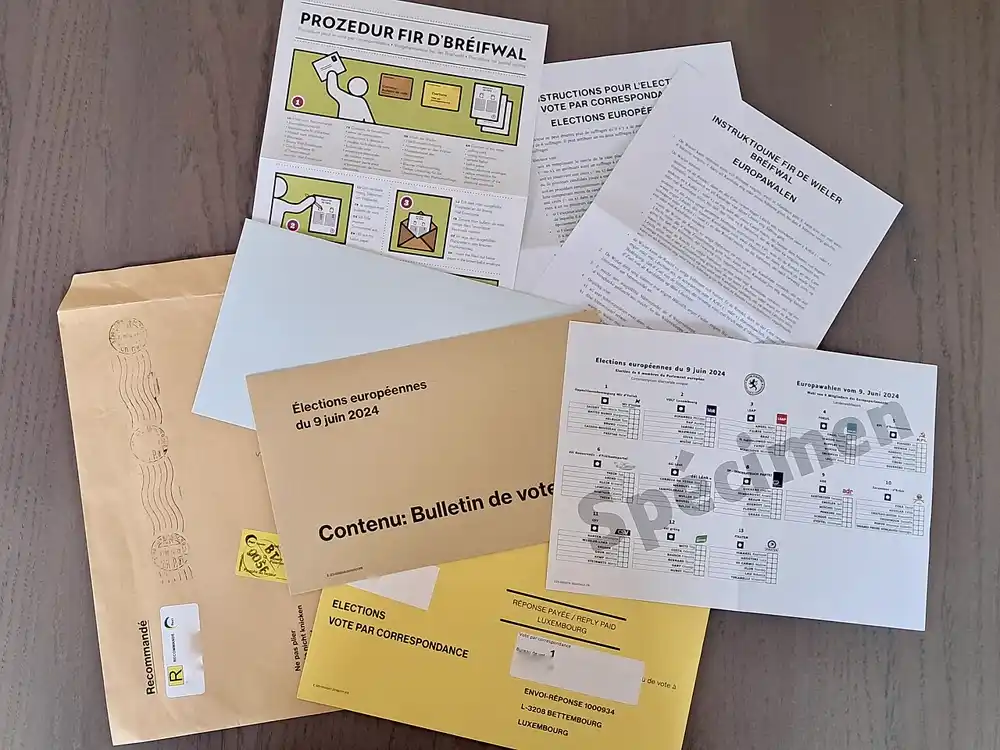
The U.S. Postal Service is preparing to publish a final rule that would reshape how mail-in ballots move through the federal system ahead of the November midterm congressional elections. The agency posted the text of the rule online on Friday and said it plans to file it in the Federal Register next week.
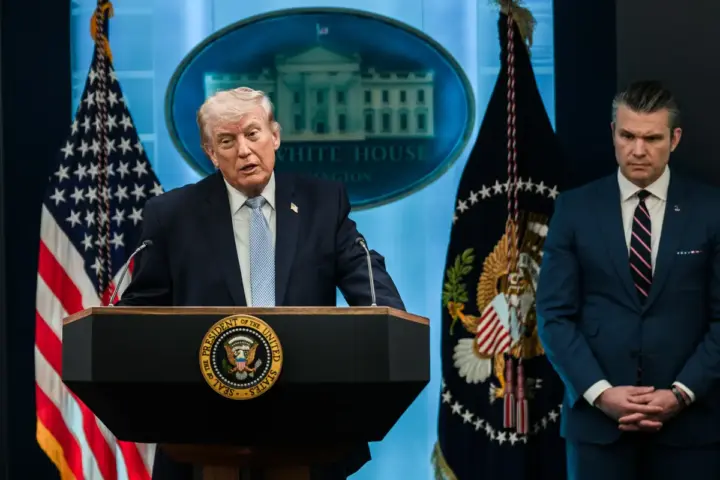
The rule carries out an executive order signed by President Donald Trump on March 31. Under it, states would have to share voter lists with the U.S. Department of Homeland Security and other federal agencies, and adopt new balloting procedures, before the postal service would deliver their mail ballots. States that do not comply would have their ballots refused.
Two federal courts have already blocked the changes. Injunctions issued in California and Massachusetts currently bar the postal service from putting the rule into effect. The agency acknowledged both orders in the rule text and said it would move ahead only if the courts lift them in time.
The federal government has sued 30 states and the District of Columbia for refusing to turn over lists of eligible voters. Nearly one in three Americans voted by mail in the 2024 election, according to guidance published by the Postal Service, so the stakes touch a large share of the electorate. The fight builds on an earlier Supreme Court showdown over federal voting restrictions that reached the court this month.
The postal service received more than 200,000 comments during the public-comment period on the proposed change. If the injunctions are lifted, the rule would give election officials time to meet new preparation standards for federal ballot-mail envelopes and to feed data into a new Federal Ballot Mail Portal before ballots go out, which usually happens in September or later under state law.
The dispute sits inside a longer fight over voting access. Trump, who wants to limit ballots cast by mail, signed the order directing the agency to stop delivering ballots to anyone not on a federal list of citizens deemed eligible by the Department of Homeland Security. He has himself voted by mail in Florida’s Republican primary this year, at least the third time he has mailed in a ballot.
The rule marks one of the most direct attempts yet to tie the machinery of mail delivery to federal voter-roll checks. Election officials and voting-rights organizations have said the requirements could delay or disrupt ballots in states that do not build the new systems in time. The Postal Service said it would continue its long-standing practice of extraordinary measures to speed completed ballots to election offices, but only once a ballot has entered the mailstream under the accepted standards.