 Sunita Somvanshi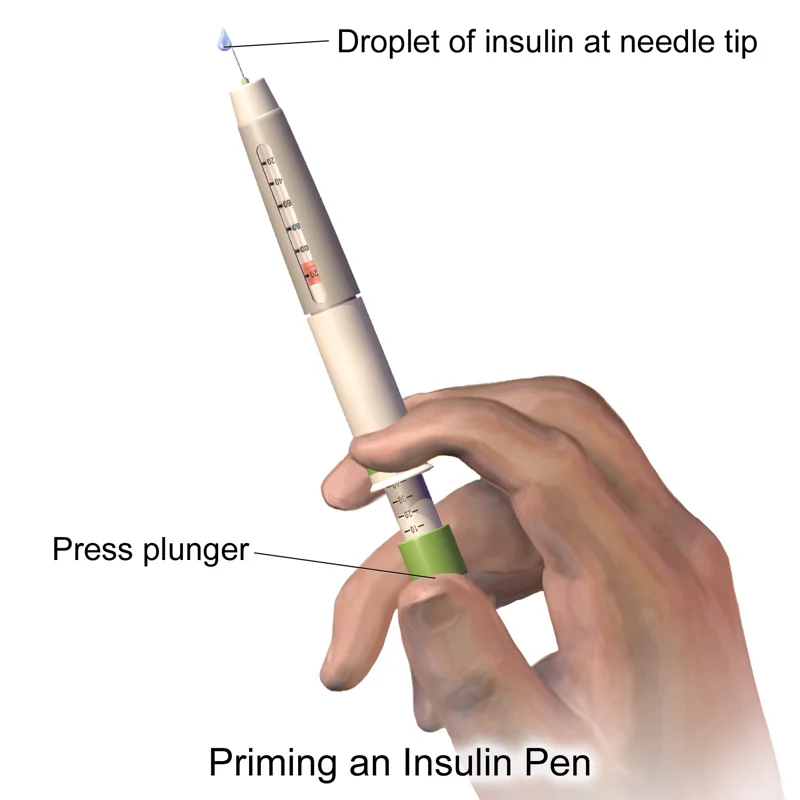
For the millions of people who live with type 2 diabetes, the daily ritual of injecting insulin may soon become a weekly event. A new weekly insulin jab could cut the number of injections needed each year by 86 percent, according to recommendations issued by the National Institute for Health and Care Excellence (NICE).
Trial data shows the weekly formulation works as well as daily insulin jabs, but requires far fewer administrations. The treatment still needs licensing approval from the Medicines and Healthcare products Regulatory Agency (MHRA) before it can be offered on the NHS.
Roughly 4.7 million people in the UK were living with diabetes in 2024-25, of which about 90 percent had type 2. Diabetes UK estimates that around one in four people with type 2 diabetes currently takes insulin as part of their treatment regimen.
Moving from daily injections to a weekly jab is most likely to benefit those who need help with their injections, said Douglas Twenefour, head of clinical at Diabetes UK. For some, especially those with additional care needs, moving from a daily insulin injection to a once-weekly option could help manage their diabetes more easily, improving their quality of life.
Who benefits most
The change is most likely to help people whose daily routine makes multiple injections difficult. This includes frailer individuals, people with sight loss, those with limited hand mobility, and individuals with learning disabilities. People who have difficulty following the steps involved in a daily injection or who struggle to stick to their treatment schedule are also likely to benefit.
Helen Knight, director of medicines evaluation at NICE, emphasized the practical value of the change: The new treatment could make a real difference to the day-to-day lives of people with type 2 diabetes, especially those who rely on a carer, family member or healthcare professional to help them inject.
This recommendation is the result of rigorous, evidence-based decision making, striking a balance between the benefits to patients and the best use of limited NHS funding, Knight added.
NICE’s guidance applies to the NHS in England. The NHS in Wales frequently follows its recommendations, though they are not automatically adopted. Northern Ireland reviews recommendations through the Department of Health, and Scotland uses the Scottish Medicines Commission process.
The broader diabetes picture in the UK
Recent reporting noted that UK diabetes cases have surged to a record 12.1 million, with one in five people affected. Poor blood sugar control in type 2 diabetes has been linked to a 40 percent reduction in immune function and a tenfold increase in COVID-19 death risk.
The condition develops when the body cannot produce enough insulin or when the insulin it produces does not work properly — a problem known as insulin resistance. Over time, uncontrolled blood sugar damages blood vessels and nerves, increasing the risk of heart disease, kidney failure, and vision loss.
What comes next
Health officials are waiting on the MHRA’s ruling on the new treatment to determine whether it could be rolled out on the NHS. The agency has indicated it will publish its decision before the end of the current quarter.
The challenge now is training. Healthcare teams must prepare to teach patients how to transition from daily to weekly injections, and pharmacies must stock the new formulation alongside existing options.
Related: UK diabetes cases surge to record 12.1 million — one in five affected | Poor blood sugar control cuts immune function by 40%, raises COVID-19 death risk 10x
Primary source: BBC News – Weekly diabetes jab could cut injections by 86% | BBC – 4.7 million people with diabetes in UK | NICE official website | MHRA – UK government | BBC – One in four type 2 diabetes patients takes insulin | Diabetes UK official website