Karmactive Team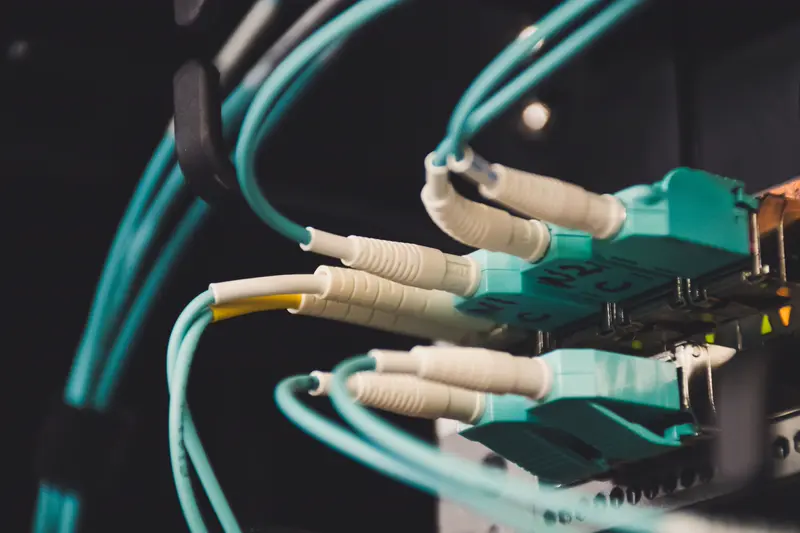
Copper thieves cut across British Columbia telecommunications infrastructure on Sunday, leaving more than 3,500 homes and businesses without internet, television, and cellphone service across seven towns. The Sunday afternoon incident highlights a surging epidemic of cable theft driven by skyrocketing metal prices.
The theft occurred near Mount Hayes along Highway 16, a critical telecommunications corridor in northern British Columbia. “On Sunday afternoon, thieves intentionally cut Telus cables in the Mount Hayes area along Highway 16, causing significant damage to our fibre infrastructure,” a Telus spokesperson said.
The outage rippled across Terrace, Masset, Kitimat, Prince Rupert, Smithers, Burns Lake, and Fraser Lake. Residents and business owners suddenly found themselves without connectivity in the middle of a Sunday afternoon.
Telus moved quickly to restore at least some services. “We immediately worked with another carrier to offer roaming services to our customers,” the spokesperson said. This partnership meant Telus customers could use another network’s infrastructure temporarily. “This meant the vast majority of customers in the area quickly had cellphone service restored, enabling them to call, text and access 911,” the spokesperson explained.
The restoration timeline was aggressive. The vast majority of services came back before midnight Sunday. By Monday, August 3, all remaining services had been restored.
The Mount Hayes theft is not an isolated incident. It reflects a troubling national trend. “As the price of copper has risen, it has seen a 102 per cent year-over-year increase in thefts in 2026,” Telus reported. Other major Canadian telecom providers face the same problem.
Bell, Canada’s largest telecommunications company, logged 993 copper theft incidents between January and June 2026 alone. In January, stolen copper caused internet outages for 200 customers across three communities in New Brunswick.
The reason thieves target copper is straightforward: the metal’s value has climbed sharply. Copper fetches premium prices in scrap metal markets. A few hundred meters of cable can yield significant cash.
But the thieves often cause damage beyond their target. “While thieves typically target copper cables, they cut through fibre cables in the process, resulting in additional outages and service interruptions,” Telus said. Fibre optic cables carry far more data than copper. Damaging them disrupts not just phone service but internet and television for thousands of people simultaneously.
This distinction matters. Thieves seeking quick profit may not realize they’re also destroying expensive fibre infrastructure. The collateral damage extends the repair timeline and compounds service disruptions.
Telus said it is continuing to increase security around its service infrastructure. The company’s investigation into the Mount Hayes theft is ongoing. This likely means more cameras, fencing, and monitoring around vulnerable cable routes.
The copper theft crisis puts telecommunications companies in a difficult position. Their infrastructure sprawls across vast, remote areas. Protecting every length of cable is logistically challenging. Yet the cost of theft—in emergency repairs, customer compensation, and reputation damage—keeps rising.
For the 3,500 affected customers, Sunday’s outage was a sharp reminder of how dependent modern life has become on reliable telecommunications. Businesses couldn’t process payments. Residents couldn’t contact family. The internet blackout lasted hours, though cellphone service returned faster.
The broader story is one of economic incentives meeting opportunity. As copper prices remain elevated, thieves will continue targeting telecommunications and electrical infrastructure. The industry response—increased security, partnership agreements for rapid roaming, and ongoing investigations—represents a defensive posture against a growing problem.
The Mount Hayes incident offers no dramatic resolution. Just quick repairs, a temporary workaround, and the recognition that Canadian telecom networks face a persistent vulnerability: they’re worth more to thieves than they are secure.