 Govind Tekale
Estimated reading time: 6 minutes
Scottish swimmer Archie Goodburn reached the 2026 Commonwealth Games 50m breaststroke final in Glasgow just two years after receiving a diagnosis of three inoperable brain tumors. The 25-year-old finished seventh but drew a standing ovation that rivaled celebrations for medal winners—a crowd rising to acknowledge not athletic achievement but extraordinary resilience.
Days later, Goodburn made an emotional appeal on BBC Breakfast to Prime Minister Andy Burnham, urging increased funding and appointment of a dedicated national lead for brain cancer research. The plea reflected years of personal struggle and a broader frustration: brain cancer remains the biggest cancer killer for people under 40 in the UK, yet policy attention lags far behind.
The Diagnosis That Changed Everything
In April 2024, then-23-year-old Goodburn was preparing for Olympic trials. He’d spent his life training, sacrificing social activities for early-morning sessions and technical refinement. Olympic qualification felt achievable. Then symptoms emerged: seizures, numbness, deja vu, and an overwhelming “deep feeling of fear.”
He trained through these symptoms, assuming they were stress-related or dietary deficiencies. Scottish athletes at his level learn to push through discomfort. Missing training isn’t an option when Olympic dreams are within reach. But the symptoms worsened. During trials in April 2024, Goodburn finished third—missing Olympic qualification by tenths of a second after competing on unknown neurological dysfunction.
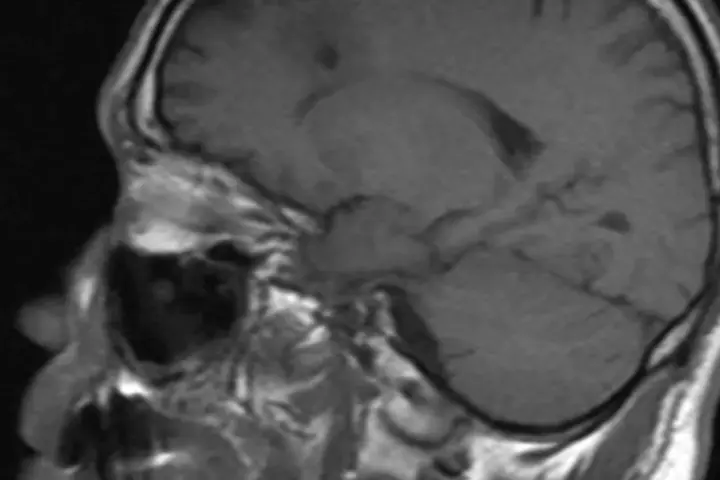
Only after trials did he seek medical investigation. An MRI revealed the reason for everything: three oligodendrogliomas (a rare form of brain cancer affecting brain and spinal cord). A biopsy confirmed the diagnosis. The tumors were incurable and inoperable—surgery risked causing more damage than benefit. Goodburn faced chemotherapy and radiotherapy without the possibility of surgical removal.
Training Through Treatment
What happened next defies typical cancer narratives. Rather than retire from competition, Goodburn continued swimming. Chemotherapy and radiotherapy during 2024-2025 coincided with grueling training sessions. The physical toll was extraordinary—treatment side effects include fatigue, cognitive changes, and physical weakness. Yet he persisted.
By 2025, he was competing again, achieving impressive times. Fellow swimmers noted his mental resilience more than physical speed. He was racing while living with terminal illness, acknowledging his condition but refusing to let it define him completely.
Goodburn qualified for the 2026 Commonwealth Games in Glasgow—an extraordinary achievement. Reaching the final of the 50m breaststroke meant finishing high enough in preliminary rounds. On July 27, 2026, he swam the final and finished seventh. The crowd’s reaction wasn’t pity for a cancer patient; it was admiration for someone competing at world-class level while literally fighting for his life.
The Policy Plea: Brain Cancer Funding Crisis
On August 5, 2026, Goodburn appeared on BBC Breakfast and addressed Prime Minister Burnham directly. His message was blunt: brain cancer kills more people under 40 than any other cancer, yet policy response is inadequate. Specifically:
The UK currently has two part-time roles dedicated to brain cancer across 14 different cancer types. This totals 36 days of annual attention to brain cancer. Goodburn’s exact words: “I do not see how 36 days a year is going to make that change for 14 different types of cancers, let alone the most deadly type.”
He compared the UK’s approach to other developed nations with dedicated national brain cancer leads—full-time positions reporting to health ministers. That focus translates into accelerated research, faster clinical trials, and improved outcomes.
Goodburn’s central request was specific: appoint a dedicated national brain cancer lead and allocate funding accordingly. He framed it as supporting future patients: “Andy Burnham, if you believe and want to make a change and a difference to the future of our country and our young population, please listen to us.”
PM Burnham’s Response
Rather than brush off the plea, Burnham responded on TikTok (indicating his willingness to engage on platforms younger people use). His message acknowledged the difficulty of Goodburn’s experience and expressed admiration for his advocacy: “Archie, thank you for this. I know how hard it must have been… What you’re doing for other people while you’re going through all this yourself shows the best of us.”
Burnham committed to meeting Goodburn personally and instructed his team to get in touch. This was political responsiveness—not dismissal but also not immediate policy commitment. The offer of a meeting suggested willingness to hear the case in detail.
Brain Cancer Reality in the UK
Oligodendrogliomas (Goodburn’s specific cancer type) are rare but aggressive. Five-year survival rates remain below 50% despite treatment. The cancer often recurs even after apparent control via chemotherapy and radiotherapy. Goodburn lives with the knowledge that his cancer will likely recur—the question is when, not if.
This prognostic uncertainty shapes daily life. Other cancer types, once treated, can be declared “cancer-free” with reasonable confidence. Oligodendroglioma survivors live under persistent shadow—each new symptom could signal recurrence. This psychological toll compounds the physical burden.
Brain cancer patients face additional challenges compared to other cancers: cognitive changes affecting work capacity, seizures limiting driving, and treatment side effects sometimes as debilitating as the cancer itself. Few employers accommodate employees undergoing brain cancer treatment. Career impacts are often severe.
Why Brain Cancer Research Lags
Research funding typically follows cancer incidence, not mortality. Brain cancer is rare (3-4% of UK cancers) compared to lung, breast, or prostate cancer. This means smaller research communities, fewer large-scale trials, and less pharmaceutical industry interest in developing brain cancer drugs.
Pharmaceutical companies prioritize lucrative cancers with large patient populations. A drug helping 100,000 breast cancer patients is far more profitable than one helping 10,000 brain cancer patients. Market incentives don’t align with brain cancer patient needs, leaving research dependent on government funding and charitable donations.
Goodburn’s advocacy highlights this tragic gap: common cancers receive abundant research resources despite lower mortality rates, while brain cancer—the leading cancer killer for young people—receives comparatively little attention.
The Bigger Picture
Goodburn’s story resonates beyond brain cancer advocacy. He represents young people facing catastrophic health events while society continues as if nothing happened. The standing ovation at the Commonwealth Games reflected collective recognition that some athletes are competing against far more than rivals.
His willingness to advocate publicly—using his platform from competitive achievement to highlight policy gaps—represents a different kind of courage than athletic performance. Speaking truth to power about healthcare failures requires vulnerability that athletic training doesn’t teach.
The question now is whether PM Burnham’s meeting results in policy change or remains a gesture. Brain cancer researchers, patient advocates, and younger politicians are watching. Goodburn’s plea was dignified and specific. The response will indicate whether the government actually prioritizes young people’s health or merely sympathizes verbally.
For now, Goodburn continues swimming, continues treatment, and continues advocating. His cancer remains incurable and likely terminal, but his impact on policy discussions might outlast many healthier athletes’ careers. That’s not the victory he sought, but it’s meaningful nonetheless.