Karmactive Team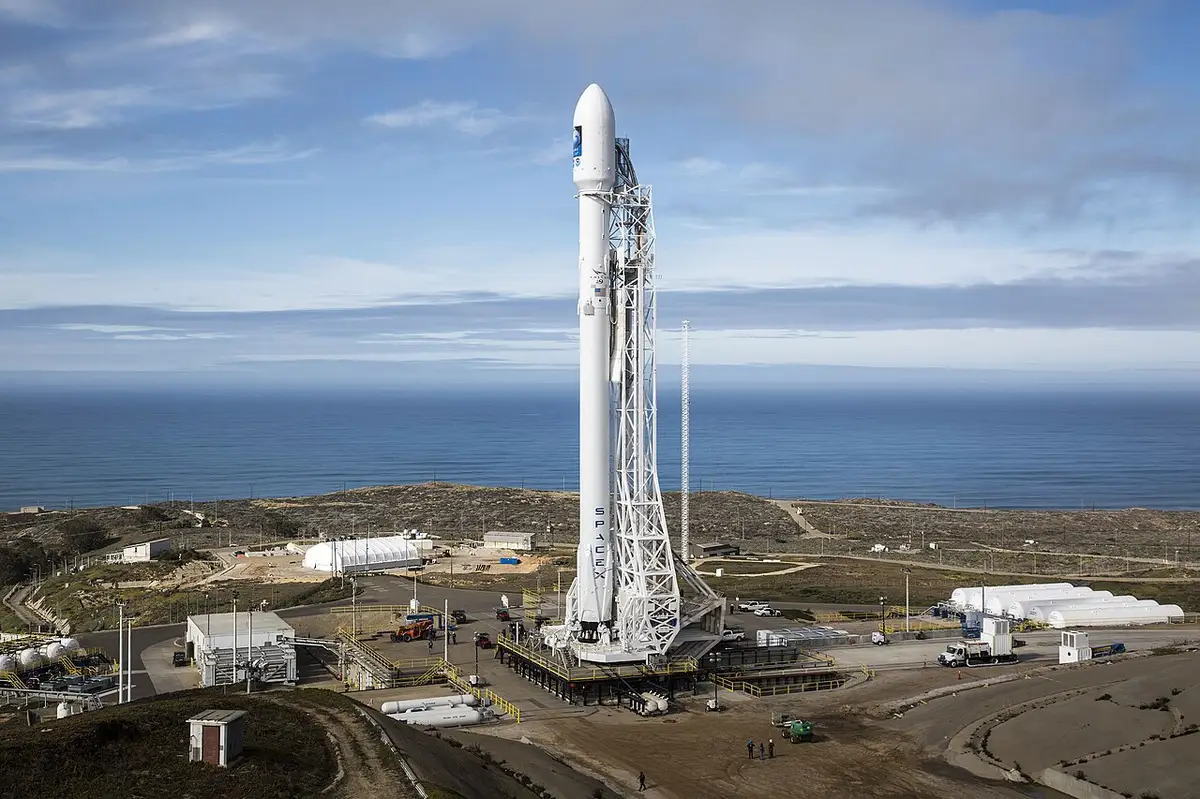
Estimated reading time: 2 minutes
SpaceX reported its first earnings as a public company, showing explosive revenue growth overshadowed by massive spending on artificial intelligence infrastructure that sent stock prices tumbling in after-hours trading.
The aerospace and satellite company brought in $7.8 billion in revenue during the April-to-June quarter—nearly double the $4.1 billion from the same period last year. Wall Street had expected around $6.72 billion, so the results beat forecasts by roughly $1.08 billion.
Revenue isn’t the full picture, though. SpaceX burned through cash at a staggering pace. Capital expenditure—money spent on equipment, facilities, and infrastructure—jumped to $18.4 billion in the quarter alone. Nearly $16 billion of that went to the company’s artificial intelligence division.
When SpaceX went public in June following a record IPO, investors anticipated growth but also hoped to see a path to profitability. Instead, the company posted a $541 million net loss for the quarter, though this improved from a $1 billion loss a year earlier. The stock fell more than 8 percent after earnings despite the revenue beat, reflecting investor concern about capital intensity.
Elon Musk drives SpaceX‘s AI ambitions aggressively. The company claims it can reach $100 billion in annual revenue by year’s end, with new cloud services contracts adding $6.7 billion over a six-month period beginning in October. AI revenues grew 247 percent year-over-year, according to the earnings statement.
Starlink, SpaceX‘s satellite internet service, remains the company’s only profitable business segment. Starlink revenues jumped 66 percent, with subscribers doubling to 12 million. This service generates steady cash flow, yet it’s partially overshadowed by spending on AI development.
Analysts expect SpaceX to spend roughly $45 billion on capital expenditures throughout 2026 at its current pace. For comparison, major airlines’ annual capital budgets typically fall in the $2 billion to $3 billion range. SpaceX‘s spending reflects confidence in AI’s potential but also the substantial financial risk Musk is taking.
The rocket business itself generated $962 million in revenue, up 29 percent year-over-year. SpaceX flew 78 launches and deployed 1,041 metric tons of mass to orbit during the first half of 2026, leading all global launch providers.
Shareholders face a clear tension: explosive growth paired with mounting losses and aggressive spending on unproven technologies. Whether SpaceX‘s AI bet delivers returns or burns through capital remains the central question for investors going forward.
—