Sunita Somvanshi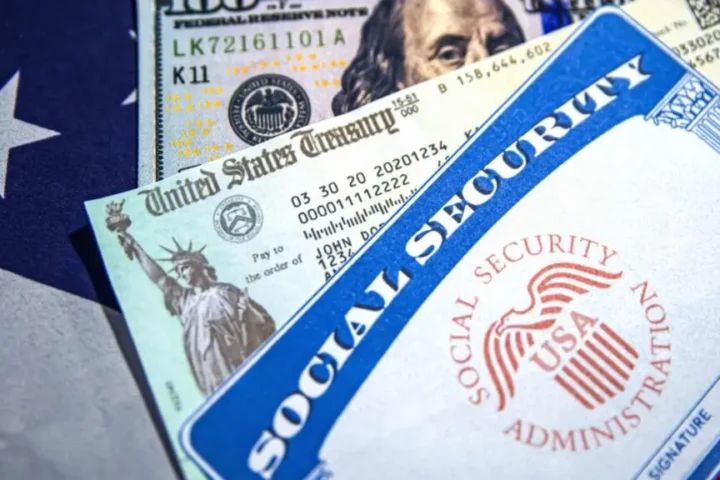
Social Security Commissioner Frank Bisignano sent an email to tens of millions of benefit recipients on July 2, 2026. The subject line read: “Making Life More Affordable for America’s Seniors.” The message repeatedly credited President Trump and his recent legislation. Now, five Democratic senators are demanding answers about whether that email was accurate.
The email referenced President Trump six times. It claimed “over 35 million American seniors received an average of $7,500 in relief this tax season.” It attributed this to the One Big Beautiful Bill Act — known as the OBBBA — which Trump signed into law.
But what the OBBBA actually created is more limited than those words suggest.
The law established a $6,000 tax deduction for Americans aged 65 and older. A deduction is not a payment. It is not a refund. A deduction reduces how much of a person’s income is subject to federal tax. A senior earning $40,000, for example, could lower their taxable income to $34,000. The actual dollar savings depend on the person’s tax bracket and overall situation. For many seniors with modest incomes who already owe little or no federal income tax, the benefit could be minimal — or nothing at all.
Critics also note that the OBBBA did not reduce or eliminate federal taxes on Social Security benefits themselves. That is a separate issue many seniors care about deeply. Taxing Social Security income has long been a point of contention, with Medicare costs compounding the squeeze for many households. The OBBBA did not address it.
Senators Elizabeth Warren (MA), Ron Wyden (OR), Tammy Baldwin (WI), Sheldon Whitehouse (RI), and Ben Ray Luján (NM) sent a formal letter to Bisignano. They said the email contained “misleading information” and questioned why an official government agency communication named the president six times. The letter also asks Bisignano to clarify what data was used to reach the $7,500 figure. They set a deadline of August 11, 2026, for a response.
Social Security recipients have been under growing financial pressure, facing rising Medicare premiums and cost-of-living challenges in recent years. An email from the SSA promising $7,500 in relief could easily be read as a direct payment — not a tax deduction that applies very differently depending on each person’s income and tax situation.
The broader concern is about the role of a federal agency in political messaging. Government agencies communicate with hundreds of millions of Americans, and the framing of those communications carries real weight. When an official SSA notice reads more like a political talking point than a factual explanation of a benefit, critics argue it erodes public trust in the agency.
Bisignano has not publicly responded to the senators’ letter. His office has until August 11 to reply.
The dispute ultimately centers on a simple factual question: did the OBBBA give seniors $7,500 in relief? The evidence says no — not in any direct or universal sense. It created a deduction that may help some and offer little to others. The email did not explain that difference, according to the senators.