EU Bans Brands From Burning Unsold Clothes: ESPR July 2026 Explained | KarmActive
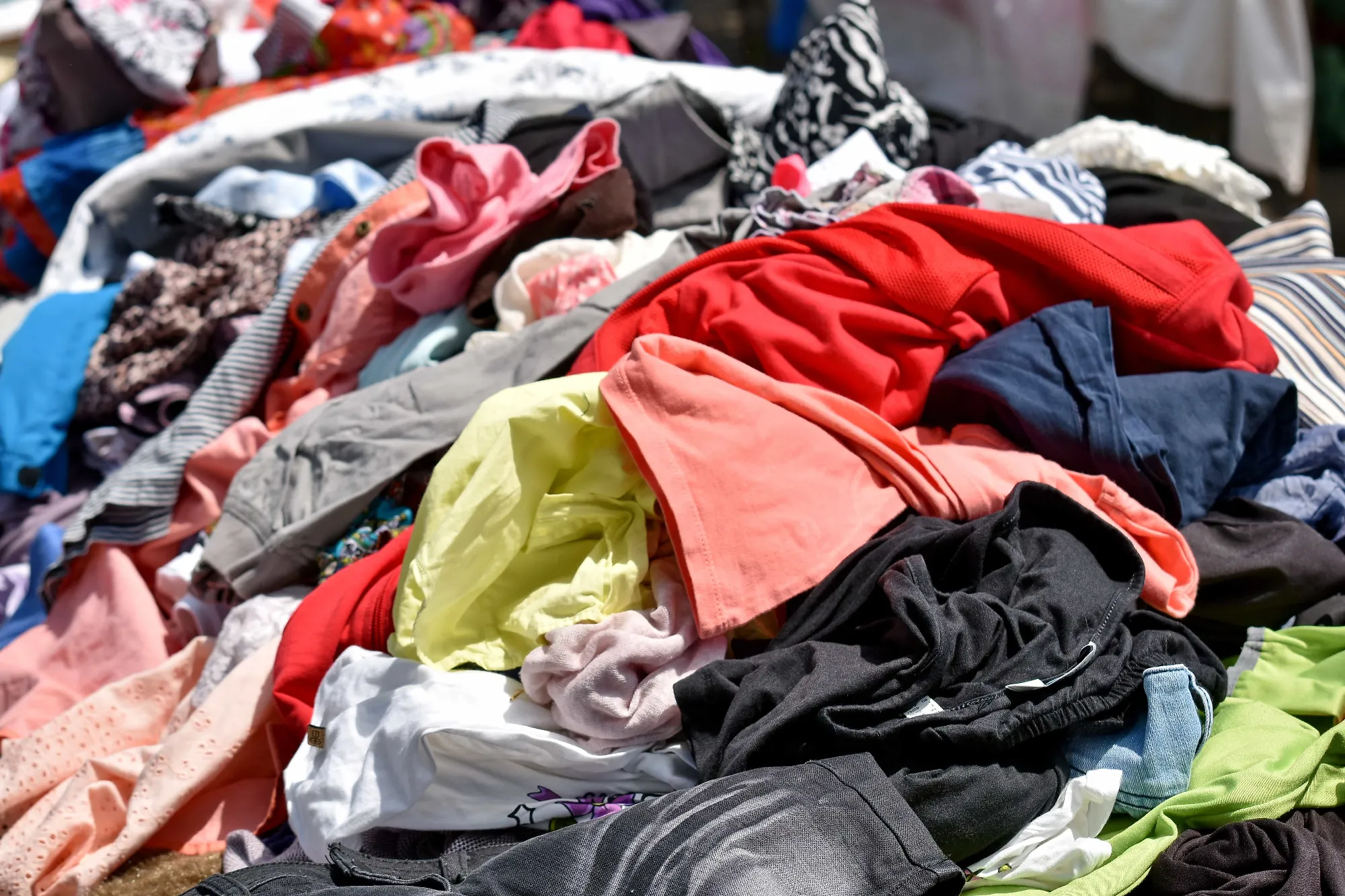
Pile of unsold and discarded clothing representing the fashion industry's overproduction and textile waste crisis, addressed by the EU ESPR unsold goods ban July 2026
Circular Economy · Policy · Fashion

EU Bans Brands From Burning Unsold Clothes. What Happens Next?

Effective July 19, 2026, large fashion companies in the EU can no longer incinerate or landfill unsold apparel, shoes, and accessories. Here is what the law requires, who it covers, and what it means for the industry — and for you.

In Effect: July 19, 2026

Racks of garments that never reached a customer — across Europe, an estimated 4 to 9 percent of unsold textiles were destroyed each year before a single person ever wore them; from July 2026, that changes. (Photo: Unsplash — fashion waste; Unsplash Free License)

🔍 Every claim in this article has been verified against official EU regulatory texts, including European Commission announcements, EUR-Lex, and first-hand primary sources. No statistics are fabricated.
Every second, the equivalent of a garbage truck full of clothing is burned or buried somewhere in the world. For decades, fashion brands — from high street to haute couture — have quietly destroyed mountains of unsold garments to protect prices, manage overstock, and avoid the optics of discounting. In France alone, €630 million worth of unsold products were incinerated or landfilled every single year. In Germany, nearly 20 million returned items were routinely discarded annually. Globally, an estimated 20–30% of all fashion production — up to 30 billion pieces — never reaches a paying customer. That routine ends in Europe on July 19, 2026. The European Commission’s Ecodesign for Sustainable Products Regulation (ESPR) bans large companies from destroying unsold apparel, clothing accessories, and footwear — replacing the old normal with disclosure, accountability, and circular alternatives. It applies to products placed on the EU market, including by non-EU brands and online sellers.

The Scale of Fashion’s Waste Problem

4–9%
Of unsold EU textiles destroyed annually before anyone wore them
European Commission, Feb 2026
5.6M
Tonnes of CO₂ from EU textile destruction each year — equal to Sweden’s total net emissions in 2021
European Commission, Feb 2026
€630M
Worth of unsold products destroyed in France alone, every year
European Commission, Feb 2026
120M
Metric tonnes of global textile waste generated in 2024 — and rising
BCG & industry reports, 2024

Why Brands Burn Clothes — and Who Started It

The practice of destroying unsold goods predates fast fashion. Luxury houses have incinerated surplus items for decades to guard against counterfeiting and preserve the aura of scarcity. Burberry faced a public reckoning in 2018 after its annual report revealed it had destroyed £28.6 million ($37 million) worth of unsold goods in a single year. H&M was documented burning 12 tonnes of new, unworn clothing annually in Denmark alone since 2013, according to a 2017 investigation by Danish TV programme Operation X on TV2. Nike was found to have deliberately slashed shoes and clothing — rendering them unwearable — to prevent unauthorised resale.

Fast fashion operates at a different volume but the same logic: if surplus is cheaper to destroy than to manage, it gets destroyed. Ultra-fast fashion brands like Shein and Temu produce at speeds that make accurate demand forecasting structurally difficult. The result is a mountain of stock that never sells — often shipped to landfills in the Global South or quietly incinerated at origin.

The UN Secretary-General António Guterres, addressing the International Day of Zero Waste in March 2025, put the scale plainly:

“Dressing to kill could kill the planet.” — António Guterres, UN Secretary-General, March 2025

Fashion accounts for up to 8% of global greenhouse gas emissions and consumes 215 trillion litres of water annually, according to the UN. Every second, the equivalent of a garbage truck full of clothing is incinerated or sent to a landfill. Roughly 73% of the world’s clothing ends up in those two destinations. Less than 1% is recycled back into new fibre.

The global circularity rate has dropped from 9.1% in 2018 to just 7.2% in 2023, despite rising awareness. Fashion is one of the largest drivers of that decline.

Where Do Discarded Garments End Up?

True end-of-life breakdown for discarded textiles globally. Data: UN Environment Programme, Ellen MacArthur Foundation. Less than 1% of clothing is ever recycled into new fibre.

What the Law Actually Says

On February 9, 2026, the European Commission formally adopted two implementing acts under the ESPR. The first — Delegated Regulation C(2026) 659 — defines the narrow list of circumstances under which destruction remains permitted. The second — Implementing Regulation C(2026) 660 — establishes the standardised format brands must use to disclose what they discard.

From July 19, 2026, large enterprises — as defined under EU SME rules (Commission Recommendation 2003/361/EC), meaning companies with 250 or more employees and either annual turnover above €50 million or a balance sheet total above €43 million — cannot destroy unsold apparel, clothing accessories, and footwear as routine practice. Micro and small businesses are exempt. Medium-sized companies come under the ban from July 19, 2030.

The EU Commissioner for Environment, Jessika Roswall, stated at the time of the February 2026 announcement:

“The textile sector is leading the way in the transition to sustainability, but there are still challenges. The numbers on waste show the need to act. With these new measures, the textile sector will be empowered to move towards sustainable and circular practices, and we can boost our competitiveness and reduce our dependencies.” — Jessika Roswall, EU Commissioner for Environment, Water Resilience and a Competitive Circular Economy, February 9, 2026

France was the first country in the world to act on this issue. Its AGEC Law (Anti-Waste for a Circular Economy), passed on February 10, 2020 and effective from January 1, 2022, banned the destruction of unsold non-food products nationally. The ESPR expands and codifies this principle across all 27 EU member states, and goes further by adding disclosure requirements, digital product passports, and rules on returned goods — not just overstock.

Before July 2026

What Brands Could Do With Surplus

  • Incinerate unsold stock at will
  • Send to landfill without limits
  • Destroy returned goods routinely
  • No reporting required on quantities
  • No documentation of destruction reasons
  • No public transparency
From July 19, 2026

What Large Brands Must Do Instead

  • Redirect to resale, outlet, or donation
  • Use remanufacturing or fibre recycling
  • Document every exception to the ban
  • Retain records for 5 years
  • From 2 March 2027: publicly disclose volumes and reasons
  • National competent authorities oversee compliance; documentation must be kept available for inspection

The Road to July 2026 — Tap Each Event to Expand

+
2018 — BURBERRY SCANDAL
Luxury Brands Exposed: Burning Millions in Inventory
Burberry disclosed in its annual report that it had destroyed £28.6 million ($37 million) worth of unsold goods in the financial year ending March 2018, citing brand protection. Public outcry followed. The brand announced it would stop the practice. The scandal forced a global conversation about fashion overproduction.
+
February 10, 2020 — FRANCE AGEC LAW
France Becomes First Country to Ban Unsold Goods Destruction
France’s Loi AGEC (Anti-Waste for a Circular Economy) passed on February 10, 2020. From January 1, 2022, it banned the destruction of unsold non-food products. Brands must now donate, reuse, or recycle surplus. France set the precedent that the EU would later scale.
+
July 18, 2024 — ESPR ENTERS FORCE
EU Ecodesign for Sustainable Products Regulation Takes Effect
The ESPR (Regulation EU 2024/1781) entered into force, replacing the 2009 Ecodesign Directive. It introduced the Digital Product Passport, rules on unsold goods, and expanded product coverage well beyond energy-using products to textiles, furniture, electronics, and more.
+
February 9, 2026 — IMPLEMENTING ACTS ADOPTED
Commission Finalises Exemptions and Disclosure Format
The European Commission adopted Delegated Regulation C(2026) 659 (10 derogations from the destruction ban) and Implementing Regulation C(2026) 660 (standardised disclosure format for discarded unsold goods). Both published in the Official Journal.
+
July 19, 2026 — THE BAN GOES LIVE
Large Companies Prohibited From Destroying Unsold Clothes, Shoes & Accessories
Large enterprises (as defined under EU SME rules, broadly 250+ employees and turnover above €50M or balance sheet above €43M) operating in the EU market cannot destroy unsold apparel, footwear, or clothing accessories. The ban applies to any brand placing products on the EU market — including brands headquartered outside the EU. The EU Digital Product Passport registry also launches on this date.
+
2 March 2027 — DISCLOSURE BEGINS
Brands Must Publicly Report Unsold Inventory Discarded
From 2 March 2027, large enterprises must publish standardised disclosures covering: product category by customs (CN) code, number and weight of units discarded, reason for discarding (against the 10 permitted derogations), and waste treatment breakdown (reuse %, recycling %, disposal %). Data must be published within 12 months after the end of the financial year. The disclosure obligation under Implementing Regulation C(2026) 660 covers over 50 product categories across multiple sectors — not limited to fashion — identified by CN codes.
+
June 17, 2027 — EPR TRANSPOSITION DEADLINE
EU Member States Must Transpose Textile EPR Rules Into National Law
All EU member states must transpose the new textile Extended Producer Responsibility (EPR) rules — under the revised Waste Framework Directive, which entered into force on 16 October 2025 — into national law by 17 June 2027. The EPR schemes themselves are required to be fully operational by 17 April 2028, requiring brands to fund the end-of-life management of the clothing they place on the market.
+
July 19, 2030 — MEDIUM COMPANIES INCLUDED
Ban Extends to Medium-Sized Fashion Businesses
Companies with 50–249 employees and turnover between €10M and €50M (or balance sheet up to €43M) come under the destruction ban and disclosure requirements. Micro and small businesses remain exempt throughout.

The Reach Goes Far Beyond Europe

The regulation applies to products placed on the EU market, including by non-EU brands and online sellers. Any company selling products to EU consumers — including through online marketplaces — must comply. This includes brands based in the United States, China, India, Bangladesh, or anywhere else. Given that the EU is one of the world’s largest consumer markets, compliance will reshape sourcing strategies, returns management, and inventory allocation in supply chains globally.

The disclosure layer deserves attention. From 2 March 2027, large brands will be required to publish, in a standardised format, the exact volumes of products they discarded: product category by customs code, number and weight of units, reason for discarding, and waste treatment destination. This data will be publicly accessible and comparable across brands — creating the conditions for consumer, investor, and civil society scrutiny that regulation alone rarely achieves.

The most consequential long-term effect may come at the product design level. If a brand can no longer dispose of surplus cheaply, the economic incentive to overproduce weakens. Brands that design for circularity — building repairability, mono-materials, and take-back systems into their products — are positioned better for a regulatory environment that will only tighten. The Ellen MacArthur Foundation estimates that circular fashion models — rental, repair, resale, remaking — could capture 23% of the global fashion market by 2030, creating a $700 billion opportunity while cutting the industry’s climate emissions by one-third.

Meanwhile, innovations in sustainable textile fibres — including lignin-cellulose bio-fibres and PFAS-free materials — are building the supply side of circular fashion, offering brands materials that are easier to recycle at end of life.

What Must Brands Do Instead of Burning?

The regulation eliminates the cheapest disposal route. Here are the circular alternatives brands are now obligated to explore.

🏷️

Resale & Outlets

Channel surplus to outlet stores, online resale platforms, or B2B liquidation partners. Revenue recovery is possible at discounted margins.

🤝

Donation

Partner with registered charities, social enterprises, or community groups. Documented donation programmes satisfy the regulation and build brand equity.

🔄

Remanufacturing

Unsold garments can be upcycled into new products — bags, accessories, insulation material. Keeps value in the material chain longer.

♻️

Fibre Recycling

Textile-to-textile recycling systems can process unsold stock back into raw fibre. Technology is scaling rapidly through EPR-funded infrastructure.

🤖

AI Demand Forecasting

Reducing overproduction upstream through smarter data-driven inventory planning prevents surplus from accumulating — the most cost-effective solution.

📦

Product-as-a-Service

Brands that retain product ownership through rental or subscription models remove the logic of overproduction entirely — no surplus to destroy if you keep the asset.

When Can Destruction Still Happen? The 10 Derogations

Under Delegated Regulation C(2026) 659, destruction remains permitted in these specific, documented circumstances only. Documentation must be retained for five years and made available to competent national authorities within 30 days of a request.

1. Dangerous to human health or safety+
The product is dangerous within the meaning of the General Product Safety Regulation (EU) 2023/988, posing a risk to health or safety where no other mitigation measures are possible. A safety assessment or test report indicating non-compliant chemicals must be retained as documentation.
2. Non-compliance with law (non-safety grounds)+
The product is unfit for purpose due to non-compliance with EU or national law for reasons other than safety — for example, on ethical grounds such as forced labour — and destruction is required by law or is the appropriate corrective action. A self-assessment statement indicating the type of non-compliance and the applicable law must be kept as documentation.
3. Intellectual property infringement+
The product infringes intellectual property rights, established by a final judicial decision, alternative dispute resolution, a notification by a rights holder or competent authority, or a substantiated internal investigation. The relevant judicial decision, notification, or investigation documentation must be retained.
4. Expired IP licence+
The product is subject to a valid licence restricting sale or distribution after a specified date, and that date has expired. The operator must demonstrate that destruction is a proportionate response. The licence, contract, or agreement specifying the restriction, plus justification of proportionality, must be documented.
5. Technically unsuitable for reuse+
The product cannot be prepared for reuse or remanufactured because it is technically unfeasible to remove or render inaccessible labels, logos, or design characteristics that are IP-protected or considered inappropriate (e.g. products perpetuating discrimination). An inspection report or technical analysis demonstrating that all options were assessed must be retained.
6. Damaged product (handling or returns)+
The product is unacceptable for consumer use due to damage caused during handling or detected after return, which cannot be repaired in a cost-effective manner. The product must first have undergone a quality assessment procedure including, where relevant, technical tests, practical evaluations, or sorting operations that prioritise restocking and repairs.
7. Manufacturing defect+
The product contains a manufacturing defect rendering it unfit for its intended use. Evidence of the defect — quality control records, test results, or an internal investigation report — must be retained.
8. Non-acceptance of donation offer+
The product was offered for donation to a relevant organisation and that offer was not accepted. Documentation must demonstrate that a genuine offer was made and refused — the derogation is specific and requires evidence of a formal outreach and rejection, not simply a lack of a donation partner.
9. Hygiene or contamination — unsuitable for reuse+
The product is unsuitable for preparing for reuse for hygiene or contamination reasons (e.g. returned items contaminated in a way that cannot be resolved through standard cleaning). The specific hygiene or contamination reason must be documented.
10. Destruction is the least environmentally damaging option+
Destruction is permitted where it has the least negative environmental impact compared to all other available waste treatment options. This is a high bar — operators must document the analysis demonstrating that all alternatives were assessed and found more damaging.

What You Can Do — A Consumer Checklist

From 2 March 2027, brands will be required to publish their discarded inventory data publicly. Here is how to act on this shift now. Tap each item to mark it.

  • From 2 March 2027, search for brands’ annual sustainability disclosures showing unsold inventory data
  • Support brands with resale, take-back, or donation programmes — they’re adapting to the new rules
  • Choose secondhand first — resale markets are growing and directly benefit from this regulatory shift
  • Buy fewer, higher-quality items with longer lifespans — this reduces the overproduction that creates surplus in the first place
  • Ask brands directly: What is your unsold goods policy? Where does your surplus stock go?
  • Look for brands investing in circularity — recyclable design and sustainable fibres are the direction the industry is moving

What Was Covered in This Article

This article discussed the European Commission’s measures under the Ecodesign for Sustainable Products Regulation (ESPR), formally adopted on February 9, 2026 and applicable to large enterprises from July 19, 2026. The measures covered include the prohibition on destroying unsold apparel, clothing accessories, and footwear; the 10 permitted derogations under Delegated Regulation C(2026) 659; the standardised disclosure requirements under Implementing Regulation C(2026) 660 beginning on 2 March 2027; and the extension of obligations to medium-sized companies from July 2030.

The article also covered: the scale of fashion’s overproduction and textile waste problem, with data from the European Commission, UN Environment Programme, and the Ellen MacArthur Foundation; the history of brand inventory destruction, including documented cases involving Burberry, H&M, and others; France’s 2020 AGEC law as the national predecessor to the EU framework; the revised Waste Framework Directive’s textile EPR rules requiring transposition by 17 June 2027 and operational schemes by 17 April 2028; circular alternatives including resale, donation, remanufacturing, and fibre recycling; and the long-term structural shift toward circular fashion models and AI-driven inventory management.

For further reading on the global circularity crisis, corporate sustainability targets, and toxic chemical issues in fast fashion, see the related coverage on Karmactive.


Karmactive Whatsapp group - https://www.whatsapp.com/channel/0029Vb2BWGn77qVMKpqBxg3D

Sunita Somvanshi

With over two decades of dedicated service in the state environmental ministry, this seasoned professional has cultivated a discerning perspective on the intricate interplay between environmental considerations and diverse industries. Sunita is armed with a keen eye for pivotal details, her extensive experience uniquely positions her to offer insightful commentary on topics ranging from business sustainability and global trade's environmental impact to fostering partnerships, optimizing freight and transport for ecological efficiency, and delving into the realms of thermal management, logistics, carbon credits, and energy transition. Through her writing, she not only imparts valuable knowledge but also provides a nuanced understanding of how businesses can harmonize with environmental imperatives, making her a crucial voice in the discourse on sustainable practices and the future of industry.

Leave a Reply

Your email address will not be published.

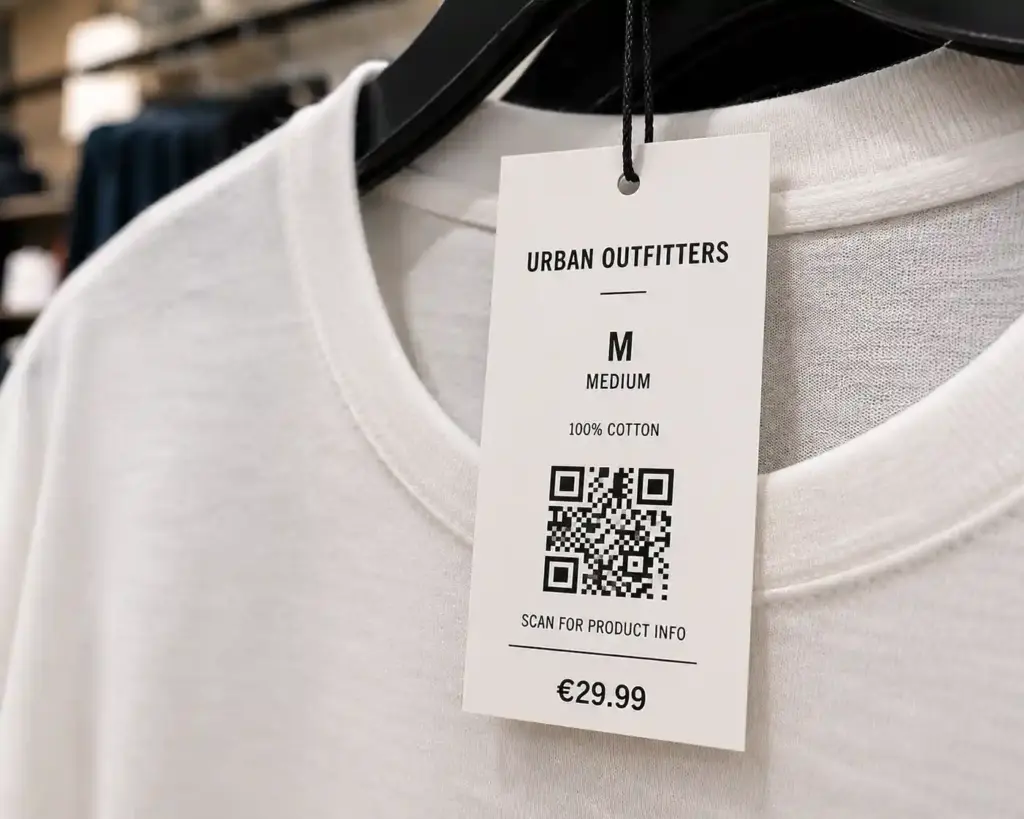
Clothing tag with a QR code and product details attached to a white cotton T-shirt, illustrating a Digital Product Passport concept for product transparency and traceability.
Previous Story

EU’s Digital Product Passport Registry Goes Live July 19 — 53% of Green Claims Won’t Pass the New QR Code Test

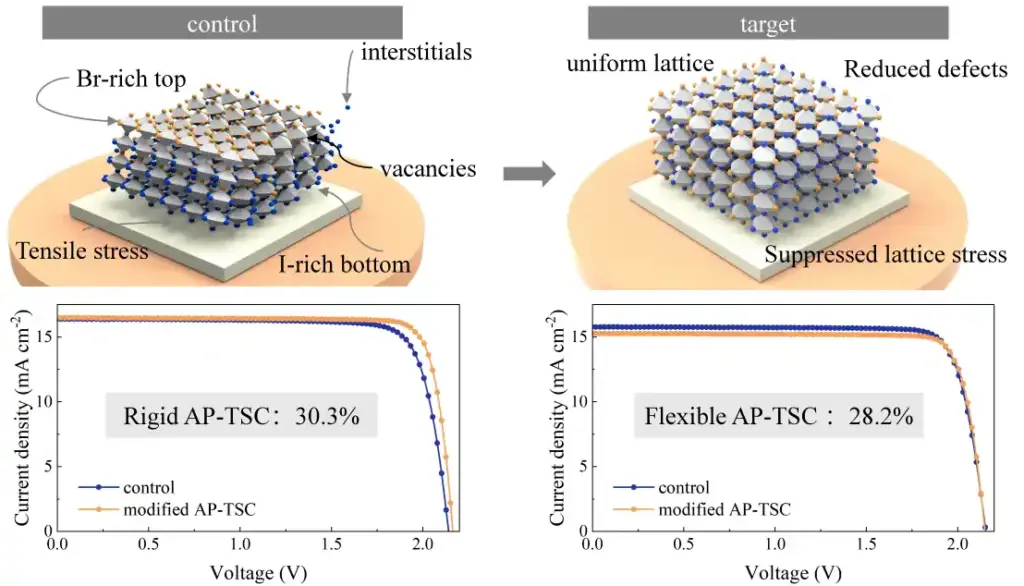
Scientific illustration comparing control and modified all-perovskite tandem solar cells, showing reduced lattice defects and stress in the modified structure, alongside current density-voltage performance curves demonstrating certified efficiencies of 30.3% for rigid cells and 28.2% for flexible cells.
Next Story

All-Perovskite Solar Hits 30.3% Certified — Zero Silicon, 28% Flexible, and 92% Stable After 1,000 Hours

Latest from Europe

Rainy street in Puerto de Mazarrón, Murcia, Spain with shallow flooding and parked cars

Spain Storm Alice: The 4-Hour Rain Number To Watch

Spain & Balearics: Heavy Rain, Storms, and Local Flash Flood Risk Yellow/amber alerts in southeast Spain (Alicante, Benidorm, Valencia) and Ibiza/Formentera; strong, slow-moving showers expected between Oct 8–12, 2025. Yellow/Amber Alerts Active

Don't Miss