Your Next T-Shirt Will Have a Passport
Starting July 2026, the EU switches on a system where every product you buy carries a scannable record — what it’s made of, where it came from, how to fix it, and where it goes when you’re done with it.
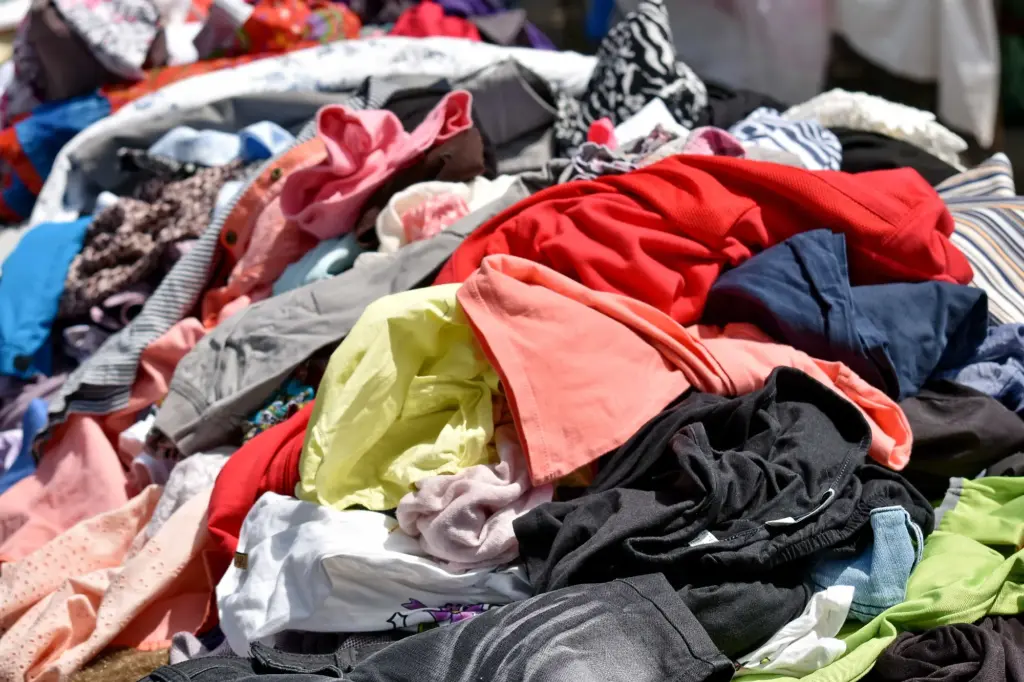
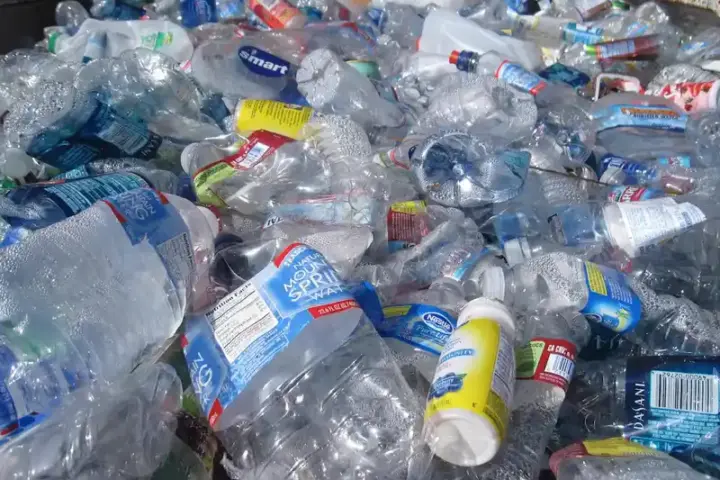
The world uses resources as if it has nearly 1.7 planets. Only 7.2% of all materials in circulation are actually being reused or recycled — a figure that has fallen from 9.1% in 2018. The rest follows a one-way route: extracted, manufactured, discarded.
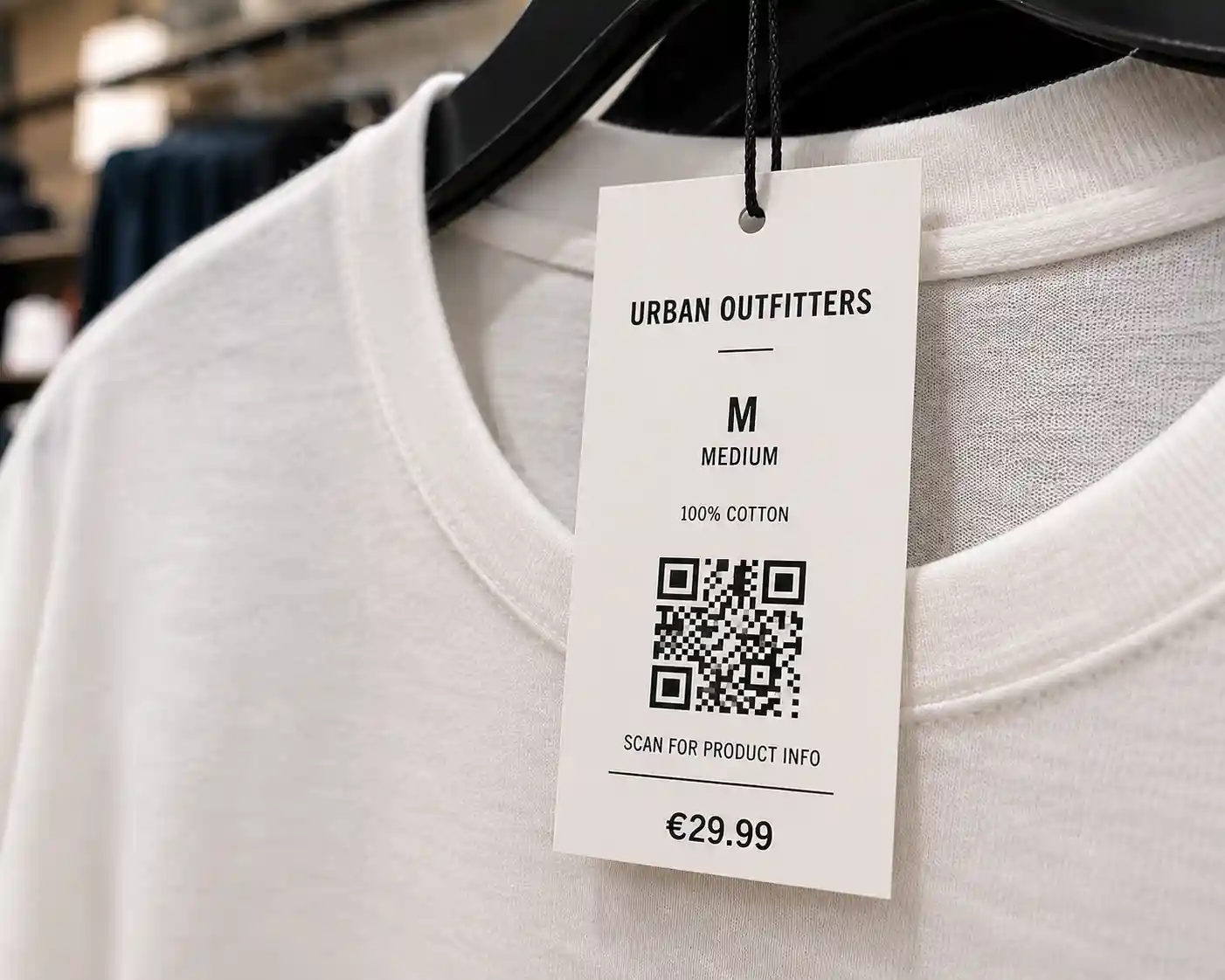
On July 19, 2026, the European Union officially activates the infrastructure designed to interrupt that cycle. Called the EU Digital Product Passport (DPP), it operates under the Ecodesign for Sustainable Products Regulation (ESPR) — a law requiring manufacturers to embed verified, machine-readable sustainability data into every product sold in the EU market. That data becomes accessible to any consumer with a smartphone, via a QR code on the product or its packaging.
The regulation reaches beyond Europe. Any company that manufactures, imports, distributes, or sells physical goods into the EU market — regardless of headquarters location — falls within scope. Brands based in the United States, India, China, Bangladesh, and across the world are already subject to it. The only exemptions are food products, pharmaceuticals, and animal feed.
Scan a Product — See Its Passport
Select a product category to explore what data its EU Digital Product Passport must carry under ESPR law. Metric values are illustrative ranges based on published EU data requirements — not specific brand data.
Physical QR code on garment or packaging — scan with any smartphone camera
📅 Mandatory: 2027Clothing & Textiles Passport
From 2027, every garment sold in the EU must carry a verified digital passport. The ESPR specifies which data fields are required for each product category. Metric bars indicate relative scale for illustration.
EU Battery Regulation mandates the world’s first mandatory product passport for EV and industrial batteries
📅 Mandatory: Feb 18, 2027Battery Passport
From February 18, 2027, EV batteries and industrial batteries above 2 kWh placed on the EU market require a Battery Passport. This is the first mandatory DPP under EU law — tracking lifecycle from raw material sourcing through second-life use and recycling.
Furniture DPPs cover wood sourcing, material composition and disassembly instructions
📅 Mandatory: 2028Furniture Passport
From 2028, all furniture sold in the EU — from flat-pack to bespoke pieces — requires a digital passport. Data must cover wood sourcing certifications, material composition, durability, repair access, and end-of-life instructions, regardless of manufacturing origin.
Electronics DPPs must include spare parts availability periods and full material declarations
📅 Mandatory: 2028–2030Electronics Passport
Electronics DPPs — covering smartphones, displays, and other devices — must declare full material composition, repairability scores, spare parts availability guarantees, and software support timelines. A single smartphone contains more than 60 elements from the periodic table.
All passport data shown above is illustrative — representing data fields required under ESPR. Bar widths indicate relative scale only. Not based on specific product or brand data.
The End of “Eco-Friendly” Without the Evidence
In 2022, the European Commission found that 53% of environmental claims made by companies were vague, misleading, or unfounded. Labels like “eco-friendly,” “green,” and “sustainable” appeared without being tied to any verified measurement. Under the DPP, those claims must be backed by structured, standardised, machine-readable data filed with the EU Central Registry. A claim about recycled content must be a documented, auditable percentage — not a marketing judgement call.
The DPP works in parallel with the EU Right to Repair Directive, adopted on June 13, 2024, and in force across EU member states from July 31, 2026 — twelve days after the DPP Registry launches. The scale of the problem it addresses is documented: premature disposal of repairable goods generates 35 million tonnes of waste and 261 million tonnes of greenhouse gas emissions in the EU annually. The cost to consumers of replacing rather than repairing is estimated at €12 billion per year.
The Directive on Repair of Goods entered into force on July 30, 2024. The DPP provides the data layer that makes repair operationally practical at scale: repair manuals, spare parts availability periods, and disassembly instructions are all required passport data fields. Products covered by the Right to Repair Directive include washing machines, tumble dryers, dishwashers, refrigerators, vacuum cleaners, electronic displays, mobile phones, tablets, and servers.
From Law to Label: The 2024–2030 Roadmap
Click or tap any milestone to see what changes that year. Products in scope must carry a compliant DPP to be sold in the EU market from their respective deadline.
force
adopted
Iron & Steel
Textiles · Tyres
covered
2024 — ESPR Enters into Force
The Ecodesign for Sustainable Products Regulation entered into force in July 2024, replacing the 2009 Ecodesign Directive. The original directive covered only energy-related products. ESPR extends scope to all physical goods sold in the EU, except food, pharmaceuticals, and animal feed. The EU Right to Repair Directive was also adopted in June 2024 and entered into force on July 30, 2024.
April 2025 — First ESPR Work Plan & Consultation
On April 16, 2025, the European Commission adopted its 2025–2030 Work Plan, listing priority product categories for phased ecodesign requirements. The Commission also launched a public consultation on DPP implementation on April 9, 2025. Eight harmonised technical standards for DPP data and interoperability were targeted for completion by 2026.
July 19, 2026 — EU Central DPP Registry Goes Live
The Central DPP Registry launches as a directory system: given a product identifier via GS1 Digital Link, it returns the location of that product’s passport data — hosted by the manufacturer or their designated platform. Iron and steel products enter scope this year. The EU Right to Repair Directive also comes into force across member states on July 31, 2026.
2027 — Batteries, Textiles & Apparel, Tyres, Aluminium
From February 18, 2027, Battery Passports are mandatory for all EV and industrial batteries above 2 kWh placed on the EU market. Textiles and apparel DPPs become mandatory — every garment sold in the EU requires a scannable passport. This is the product category with the broadest direct consumer impact. Tyres and aluminium also enter scope. Building DPP-ready data infrastructure typically requires 12 to 18 months.
2028 — Furniture
Furniture DPPs become mandatory for all furniture sold in the EU market regardless of manufacturing origin. Passport data must cover wood sourcing certifications, material composition, durability ratings, disassembly instructions, repair guidance, and end-of-life instructions.
2030 — Near-Universal Product Coverage
By 2030, the DPP framework is expected to cover the majority of products sold in the EU market, including electronics and most durable consumer goods. The EU’s stated target is to double its material circularity rate by 2030 from the current 7.2% baseline documented in the Circularity Gap Report.
ESPR Enters into Force
New regulation replaces 2009 Ecodesign Directive, extending scope to all physical goods. Right to Repair Directive adopted June 2024, in force from July 30, 2024.
Work Plan & Consultation
Commission adopted 2025–2030 Work Plan on April 16, 2025. Public consultation on DPP implementation launched April 9, 2025.
Registry Live
DPP Registry launches. Iron and steel enter scope. Right to Repair applies across EU member states July 31, 2026.
First Mandatory Passports
Feb 18, 2027: Battery Passport mandatory for EV/industrial batteries above 2 kWh. Textiles, tyres, and aluminium DPPs also required. Every garment needs a scannable passport.
Furniture Mandatory
All furniture sold in EU requires a passport covering wood sourcing, materials, repairability, and end-of-life instructions — regardless of where it was made.
Near-Universal Coverage
Most physical goods sold in the EU covered — including electronics. EU target: double material circularity rate by 2030 from the current 7.2% baseline.
A Regulation That Reaches Every Supply Chain on Earth
Because the DPP applies to all goods sold into the EU market regardless of their country of origin, its reach extends far beyond European borders. A garment manufactured in Bangladesh, a battery assembled in China, a sofa built in India — all fall within scope if they are sold in the EU.
A UNIDO readiness assessment, published in December 2025 and covering 104 MSME textile companies and 9 industry associations in Bangladesh, Egypt, and India, found that micro, small, and medium-sized enterprises face significant barriers: limited digital infrastructure, lack of technical expertise, and insufficient financial resources for the digitisation investments required. The UNIDO assessment noted that without targeted, multi-year capacity-building support, smaller producers risk exclusion from EU markets.
Building DPP-ready data infrastructure typically requires 12 to 18 months. The bottleneck is not the QR code — it is the supply chain traceability data behind it. Knowing which certified supplier contributed which materials, at which verified carbon cost, requires new systems, new supplier relationships, and investment in data governance. The European Circular Economy Stakeholder Platform has published DPP preparation resources specifically for global exporters.
As circular economy product innovation increasingly becomes a design-stage requirement rather than an afterthought, the sourcing and traceability infrastructure it depends on becomes the central competitive differentiator — for every manufacturer, everywhere.
What You Can Do Right Now
The DPP registry goes live July 19, 2026. Mandatory product passports start from 2027. Four steps consumers can take today.
The EU Digital Product Passport, the EU Right to Repair Directive, and the proposed Green Claims Directive together form the EU’s legal framework for sustainable products. The Central DPP Registry is scheduled to launch on July 19, 2026. Mandatory sector-specific passports begin with EV and industrial batteries (above 2 kWh) on February 18, 2027, followed by textiles, apparel, tyres, and aluminium that same year, furniture from 2028, and most other product categories by 2030.
Each passport must carry verified data on material composition and origin, recycled content percentage, carbon footprint, repairability score and repair instructions, hazardous substances, and end-of-life guidance. The Right to Repair Directive applies across EU member states from July 31, 2026, covering washing machines, tumble dryers, dishwashers, refrigerators, vacuum cleaners, electronic displays, mobile phones, tablets, and servers.
The UNIDO December 2025 assessment of 104 MSME textile suppliers and 9 industry associations across Bangladesh, Egypt, and India documented significant digital and financial readiness gaps among smaller producers. Supply chain traceability data preparation typically requires 12 to 18 months. The broader context — a global circularity rate of just 7.2%, down from 9.1% in 2018 — was the documented starting point from which the regulation was developed. Design approaches that build sustainability into products from the earliest stage — as covered in our reporting on circular economy product innovation — are the approaches the ESPR now makes legally required across the EU market.