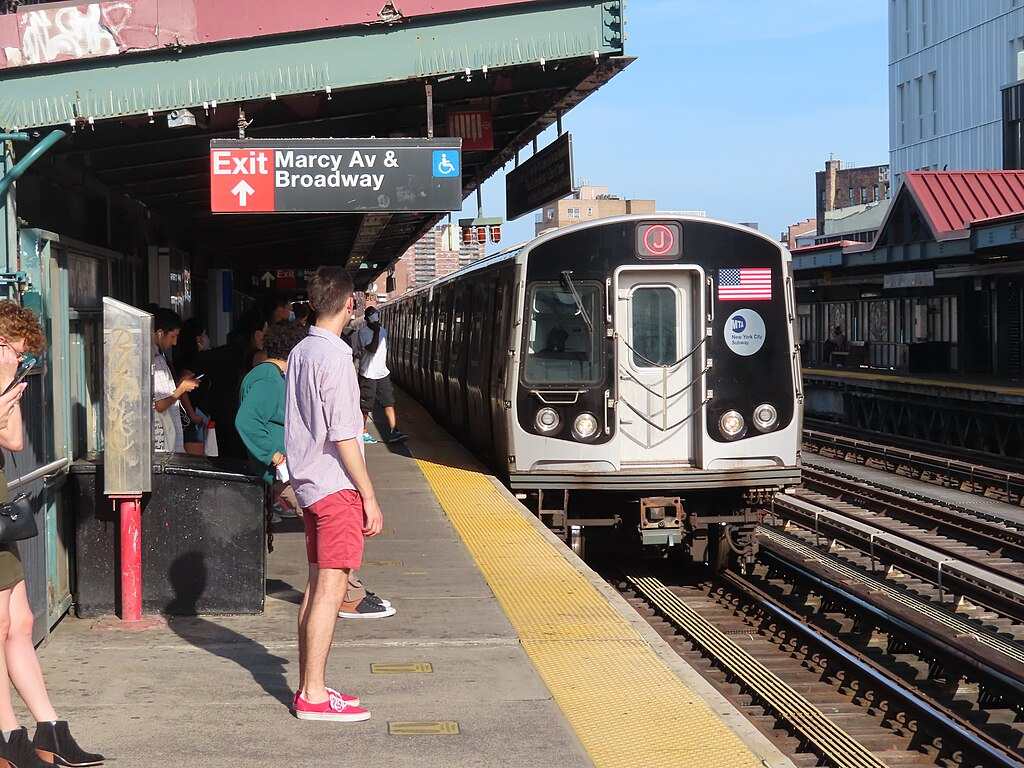
MTA and unions resume talks amid LIRR strike threat, with deadline looming
A 2-percent wage gap, a Saturday strike deadline, and roughly 250,000 to nearly 300,000 daily commuters in the balance — the nation’s busiest commuter railroad faces its first potential work stoppage in more than 30 years.
A coalition of five unions representing nearly 3,500 LIRR workers — including locomotive engineers, signal maintainers, machinists, electrical workers, and ticket clerks/clerical employees — has set a strike deadline of 12:01 a.m. Saturday, May 16, 2026, unless the MTA agrees to a 5% wage increase for the final year of the four‑year contract. The MTA’s current offer stands at 3%, with a possible increase to 4.5% if the unions accept work‑rule concessions.
Talks resumed Monday under federal mediation, but after a full day of bargaining, the union coalition reported “little progress.” Both sides have already agreed to retroactive raises totaling 9.5% covering 2023–2025. The final year of the contract, beginning in June 2026, remains the central point of disagreement — a 2 percentage point gap separates the two camps.
MTA Chief Financial Officer Jai Patel has said that if the agency meets the unions’ full 5% demand without work‑rule changes, it could force an 8% system‑wide fare increase across subways, buses, and Metro‑North. The MTA also notes that each additional 1% in wage increases adds roughly $100 million in recurring expenses.
How the contract dispute unfolded
The last LIRR strike took place in 1994 and lasted about two days. Unlike New York City transit workers who are covered by the Taylor Law, LIRR employees are regulated under the federal Railway Labor Act, which allows for legal strikes after mandatory cooling‑off periods and mediation.
Strike costs and the debate over wage increases
MTA financial assessment: According to MTA CFO Jai Patel, matching the union’s full 5% demand for the final contract year could add roughly $200 million in recurring annual costs. Without work‑rule changes, the agency has stated that this would likely force an 8% fare increase across the entire MTA system — affecting subways, buses, and Metro‑North — along with possible service reductions or layoffs. Union response: Labor leaders, including Kevin Sexton of the Brotherhood of Locomotive Engineers and Trainmen (BLET), argue that the MTA is “fearmongering.” Union officials point to new revenue streams such as congestion pricing and casino funds, which they say show the agency can afford a fair wage without punishing riders. Michael Sullivan of the Brotherhood of Railroad Signalmen has accused the MTA of a strategy “to deflect, distort, dither and denigrate.”
— Kevin Sexton, BLET national vice president, speaking at the May 9 rally in Massapequa.
Business groups intervene: Seven Long Island business organizations, including the Long Island Association and Discover Long Island, sent a letter to Gov. Kathy Hochul expressing concern about the economic impact of a potential strike. The letter noted that a work stoppage would occur just before Memorial Day, “when thousands of small businesses rely on summer tourism to survive.” At the same time, the groups warned that “unprecedented raises” for a portion of the workforce would be “economically unsustainable” for the MTA’s budget.
Governor Hochul’s involvement: On May 11, Hochul said she is “immersed in the details” of the talks and committed to reaching a deal that can prevent a strike. Hochul acknowledged that an agreement could set a pattern for negotiations with the Transport Workers Union, which represents 42,000 subway and bus workers.
🚌 If a strike occurs: official contingency plan
The MTA has published a detailed contingency plan on its official website. While shuttle buses cannot fully replace LIRR capacity, the agency will operate limited weekday service during peak hours. Below are the confirmed shuttle routes and connections:
- Peak hours: Toward Manhattan from 4:30 AM – 9:00 AM; return to Long Island from 3:00 PM – 7:00 PM. Buses run every 10 minutes.
- Shuttles to Howard Beach‑JFK Airport (A train): Depart from Bay Shore, Hempstead Lake State Park, Hicksville, and Mineola.
- Shuttles to Jamaica Center‑Parsons/Archer (E, J, Z trains): Depart from Huntington and Ronkonkoma.
- Ticket refunds: Monthly ticket holders will receive prorated refunds for each business day LIRR service is suspended, pending MTA board approval.
- Telecommuting strongly encouraged: MTA chief customer officer Shanifah Rieara urged any riders who can work from home to do so, stating that “this is a limited service plan; we cannot possibly replace the Long Island Rail Road’s daily service.”
Beyond the deadline: structural pressures on the MTA
The LIRR dispute reflects a recurring challenge for transit agencies: balancing affordable fares with competitive wages in high‑cost regions. The MTA has noted that LIRR workers in the five union crafts receive median total compensation (including benefits) that exceeded $200,000 in 2024. Union leaders respond that after adjusting for Long Island’s rising living costs, real purchasing power has not kept pace. At the same time, the MTA is entering negotiations with its largest union, the TWU, representing 42,000 workers — and the LIRR deal could establish a benchmark for those talks.
— Tim Minton, MTA communications director, after the May 9 union rally.
If a strike proceeds, it would be the first LIRR walkout since June 1994. The short‑term disruption for roughly a quarter‑million to nearly 300,000 daily riders could be compounded by long‑term fiscal decisions, as any fare increase intended to cover labor costs would ultimately affect the same commuters.
Recap of the ongoing situation
This article discussed the labor negotiations between the MTA and five LIRR unions, which have set a strike deadline of 12:01 a.m. on May 16, 2026. The two sides have agreed on retroactive raises covering three years but remain split over a 5% union wage request for the final contract year (beginning June 2026) versus the MTA’s offer of 3% (movable to 4.5% with work‑rule concessions). The potential shutdown of the LIRR would affect roughly 250,000 to nearly 300,000 daily riders; the MTA has warned of possible 8% fare increases across its system, service cuts, or layoffs if no agreement is reached. The unions held a rally in Massapequa, and business groups expressed concerns about economic harm. Mediated talks resumed but with limited progress. The MTA published a contingency shuttle bus plan with specific routes to Howard Beach‑JFK Airport and Jamaica Center‑Parsons/Archer. A strike would be the first LIRR work stoppage since 1994.
For ongoing developments, follow the official MTA updates and the National Mediation Board. The union coalition and the MTA are scheduled to meet again on May 13, 2026.