Karmactive Team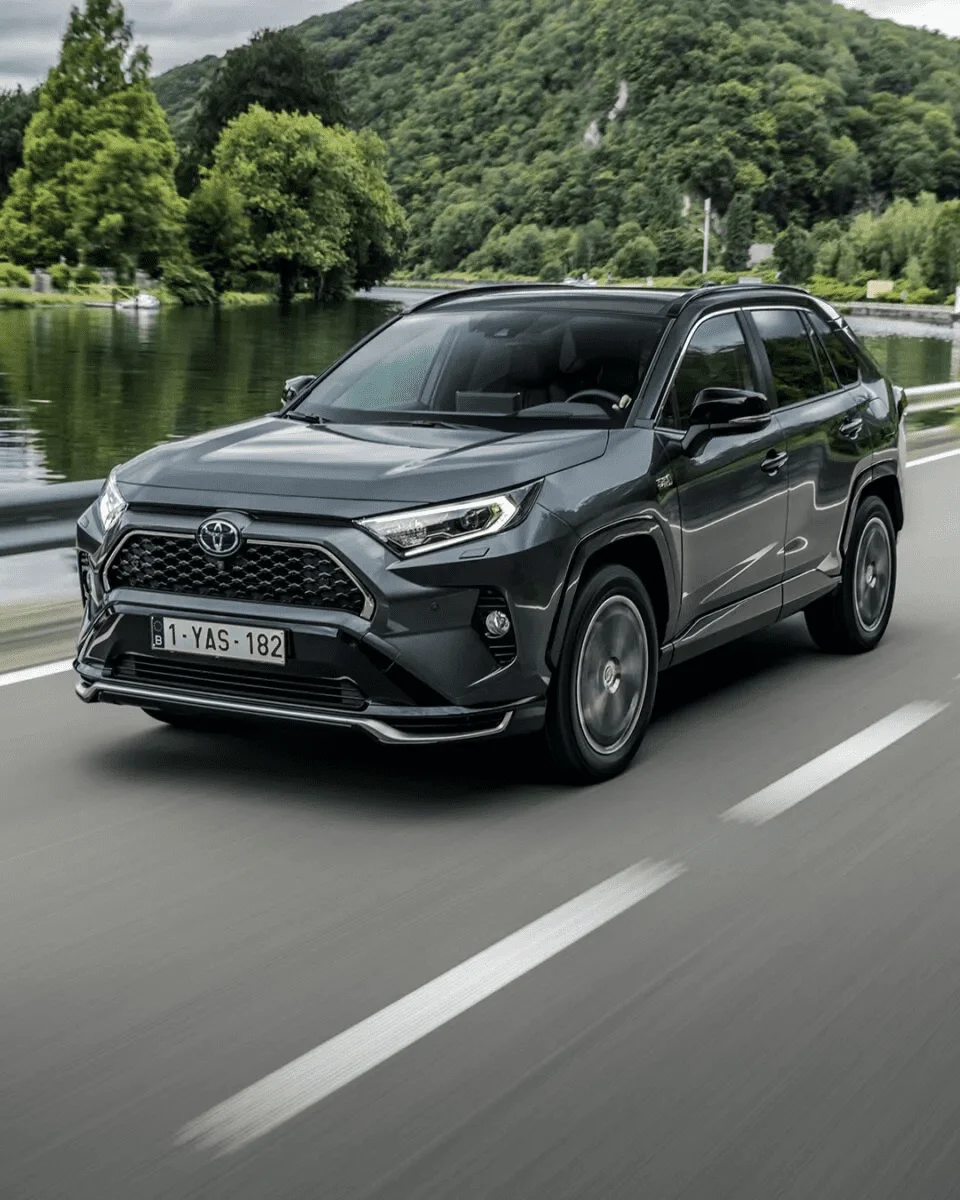
Toyota, well-known for its hybrid vehicles with the Prius being the most recognizable, seems to be trailing behind other manufacturers in the transition to an all-electric lineup. The brand’s CEO, Akio Toyoda, who is the founder’s grandson, will reportedly step down in April due to this lag. However, as Toyota moves towards its first dedicated electric vehicle platform, it remains steadfast in its belief that a combination of EVs, hybrids, and green technologies is the most sustainable approach for the future, rather than solely relying on battery-powered cars. The carmaker’s Chief Scientist, Gill Pratt, backs this stance with substantial evidence.
For related coverage, see russia’s silent war reaches critical mass: german . For related coverage, see russia’s silent war reaches critical mass: german .
Gill Pratt, Toyota’s Chief Scientist, made a bold statement about the brand’s long-term strategy for a sustainable future in the automotive industry. Originally presented at the World Economic Forum in Davos, Pratt repeated the message recently in Tokyo, emphasizing that diversity in powertrains will be crucial for a successful future. He stated, “Time will prove that our perspective is the correct one,” and “There will be a variety of powertrains used globally.”
This stands in contrast to many other car brands that have announced their intentions to switch to an all-electric lineup, with companies such as Honda, Acura, Cadillac, Mercedes-Benz, Audi, and more pledging to strive towards carbon neutrality. Meanwhile, Toyota plans to sell 5.5 million internal combustion engine and plug-in hybrid cars per year, as well as 3.5 million EVs including 1 million Lexus vehicles, by 2030.
Toyota’s Chief Scientist, Gill Pratt, presents a unique perspective on the global adoption of electric vehicles. He theorizes that using a small amount of lithium to create 90 hybrid vehicles, instead of a smaller fleet of EVs, could have a greater positive impact on emissions. This approach, though counterintuitive, would reduce the average emissions of the fleet to 205 g/km, with only 10 traditional combustion vehicles remaining.
Pratt critiques rival car companies’ EV ambitions, calling them “happy talk” with conditions attached, and stresses the need for a more mature discussion about the limitations of resources and charging infrastructure in the world. He believes that finding ways to reduce the total amount of carbon dioxide emissions, rather than relying solely on wishful thinking, is the key to a sustainable future in the automotive industry.
His inspiration for exploring the battery question further stems from his own family’s experience with a Tesla Model X, which has a range of over 300 miles, but is typically driven less than 30 miles a day, rendering 90 percent of the battery “dead weight.” For more on this topic, see ev driver with 15% battery hit a police blockade at the char. For more on this topic, see xpeng l03 australia preorders open at a$41,900 — bev and ran.