Sunita Somvanshi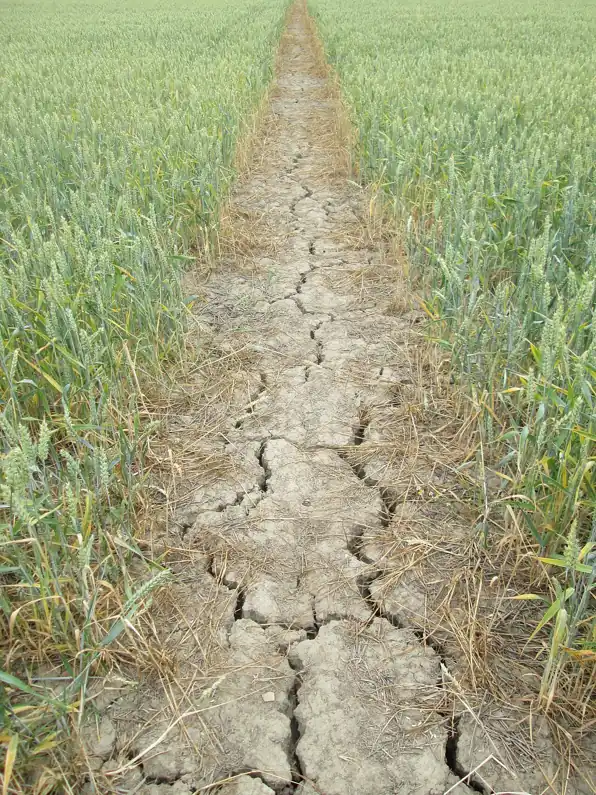
Wessex Water has imposed a hosepipe ban affecting 1.4 million customers in Bath, Somerset, Dorset, and Wiltshire—the first such restriction by the utility in 50 years, last occurring during the severe 1976 drought (Wessex Water). The measure marks an escalation in Britain’s water crisis, driven by sustained heat and record drought conditions throughout summer 2026.
The ban was announced following water demand spikes to over 400 million litres per day—30% above average for this time of year (Wessex Water). This surge is equivalent to nearly half a million hosepipes running continuously for a full hour. Ruth Jefferson, Wessex Water’s chief executive, stated the decision was made “not lightly” but was necessary to protect water resources for customers and the environment (Wessex Water).
The hosepipe restrictions join broader conservation measures now affecting more than 27 million people across England, according to regional water company announcements. The ban prohibits use of hoses for garden watering, car washing, and filling swimming pools—measures last implemented nationally during the severe 1976 drought (Met Office).
The pressure on water supplies reflects exceptional weather patterns this summer. The UK has experienced five heatwaves across 2026, culminating in the year’s hottest day of 38.1 degrees Celsius recorded at Kew Gardens, London, the Met Office confirmed. These sustained temperatures have accelerated evaporation from reservoirs and groundwater sources while increasing household consumption.
The heat has triggered unprecedented wildfire activity. Between January and mid-August 2026, 1,132 wildfires were recorded across England and Wales—a record high for this eight-month period, BBC reported. A single wildfire in Stourbridge, West Midlands, destroyed 19 homes, highlighting the danger posed by tinder-dry vegetation and baked soil conditions. Firefighters have described water access as critical during suppression efforts, adding pressure to already-stretched supplies.
Weather forecasters offer limited relief in the immediate term. The Met Office projects temperatures will drop to single digits, with lows of 3-4 degrees Celsius expected in elevated areas such as the Cotswolds. Heavy rainfall is forecast for Thursday, potentially providing much-needed aquifer recharge.
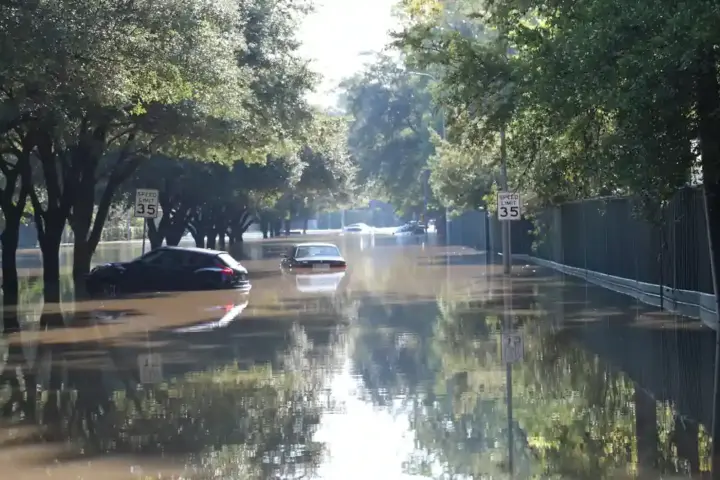
However, emergency management officials warn of secondary hazards. The soil across affected regions has become compacted and hydrophobic—moisture-resistant—after weeks of drought. Heavy rainfall on such baked earth cannot infiltrate quickly, instead pooling on the surface. This creates risk of flash flooding and surface water management issues even as groundwater remains critically depleted (Met Office).
The hosepipe ban duration remains unspecified, contingent on rainfall and reservoir recovery. Wessex Water officials have indicated restrictions will remain in place at least through autumn, pending weather patterns and water level assessments. Similar bans implemented by other English water companies are expected to persist through early 2027 without significant precipitation, as The Independent reported.
The 2026 crisis underscores Britain’s vulnerability to climate extremes, with water infrastructure strained beyond historical planning parameters. Environmental groups have called for accelerated investment in leak detection and water recycling.