Thane’s Infrastructure Dust Crisis: When Development Costs Clean Air
Government infrastructure projects across Thane district create severe dust pollution, raising questions about enforcement of pollution control norms at MMRDA and MSRDC construction sites
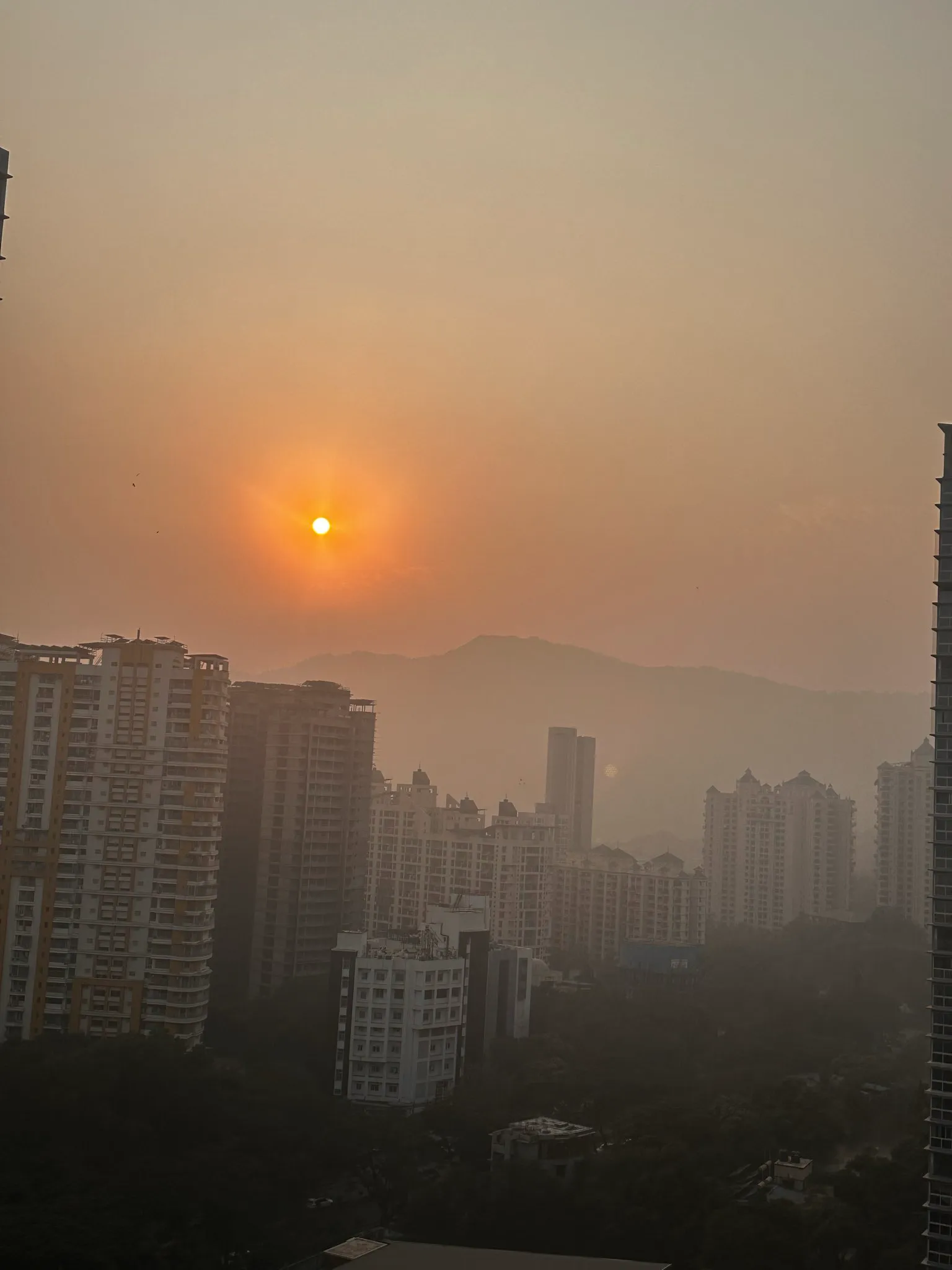
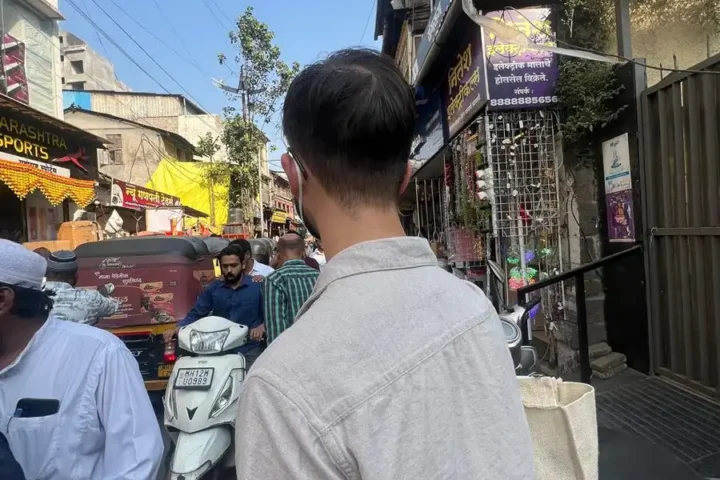
For commuters in Thane district, air pollution is not just a number on a smartphone app. It is the grit between their teeth during the daily commute, the persistent cough in children, and the layer of grime that settles on windowsills each evening. Along critical infrastructure corridors like the Ghodbunder Road and the Mumbai-Nashik Highway, dust from construction sites operated by state agencies has become a daily reality.
The Maharashtra State Road Development Corporation (MSRDC) is conducting road-widening work from Majiwada to Wadpe on the Mumbai-Nashik Highway. The Mumbai Metropolitan Region Development Authority (MMRDA) has Metro Line 4 construction underway from Wadala through Ghatkopar to Kasarvadavali. Both projects involve extensive excavation, debris piles left roadside, and frequent movement of heavy vehicles. Yet visible dust-control measures remain largely absent.
Thane has experienced elevated air quality readings in recent months. The Maharashtra Pollution Control Board (MPCB) has identified ongoing infrastructure work, heavy vehicle emissions, and waste burning as primary contributors. While Mumbai’s civic body has issued hundreds of stop-work notices for violations at construction sites, enforcement at government infrastructure projects in Thane appears reactive rather than proactive.
Where Thane’s Dust Problem Lives
Major infrastructure corridors showing visible absence of mandatory pollution control measures
Metro pillars erected, roads excavated and re-laid. Debris piles remain roadside without covering. Heavy dust reported by two-wheeler riders.
Majiwada to Wadpe stretch under widening. Work active in Bay Bridge area. Motorists report dust exposure during peak hours.
MMRDA has multiple ongoing projects in the Thane region. Local residents in various neighborhoods report dust from construction activities near their homes during project implementation.
According to ground observations and local reports, dust-control measures such as water sprinkling, green cloth covering, and perimeter fencing are not visibly implemented at these major government infrastructure sites. The MPCB issued revised guidelines on October 17, 2025 for construction and Ready Mix Concrete operations.
The Maharashtra Pollution Control Board has issued guidelines requiring construction sites to implement dust-control measures including regular water sprinkling, perimeter barricading with metal sheets or mesh, green cloth or tarpaulin covering for material stockpiles, and covered transport of soil and debris. These guidelines apply to projects exceeding 20,000 square meters built-up area or requiring environmental clearance. Questions have been raised about enforcement at government infrastructure projects.
An MSRDC official stated that contractors on the Mumbai-Nashik Highway will be instructed to implement pollution control measures. The Mumbai Metropolitan Region Development Authority did not respond to requests for comment.
Former Deputy Mayor Naresh Mhatre has raised concerns about dust pollution along infrastructure corridors in Thane. Local residents continue to report exposure to construction dust during daily commutes through affected areas.
The Rulebook vs. Reality
MPCB guidelines for construction sites—compliance status at Thane’s major infrastructure projects
The Central Pollution Control Board mandates dust-mitigation measures under the National Clean Air Programme. The MPCB guidelines and EIA Notification require specific dust-control measures for projects exceeding 20,000 square meters built-up area or requiring environmental clearance—including government projects. Implementation at government infrastructure sites in Thane requires verification through on-ground monitoring.
Meanwhile, across the Mumbai Metropolitan Region, authorities have taken various actions to address air pollution. The Maharashtra Pollution Control Board shut down Ready Mix Concrete (RMC) plants following compliance surveys. In Mumbai, the Brihanmumbai Municipal Corporation (BMC) has washed 676 roads covering 1,888 km, which amounts to around 92 percent of Mumbai’s total road length. The corporation also removed 665 metric tonnes of garbage from public spaces, along with 18 MT of construction debris.
The BMC’s environment department is planning to increase the penalty against open burning from ₹500 to ₹5,000, similar to Navi Mumbai and Thane municipal corporations. Open burning is one of the major causes of air pollution in Mumbai, especially in areas with slum settlements.
Mumbai is preparing to launch its first dedicated air-quality monitoring platform, the Mumbai Air Network for Advanced Sciences (MANAS). Developed jointly by the BMC and IIT Kanpur, the platform will include 75 low-cost sensors, each covering 0.5 sq km. MANAS will integrate an AI-based predictive model, the first of its kind in the country. The system is expected to go live within six months.
Mumbai Metropolitan Region: Air Quality Overview
Air quality monitoring locations across Thane, Mumbai, and neighboring areas
By The Numbers
Data from recent enforcement actions and monitoring across Mumbai Metropolitan Region
Health Toll: Beyond The AQI Number
Construction dust contains coarser particulates than the PM2.5 tracked by AQI monitors
Timeline: Regulations, Violations & Responses
Recent developments in air pollution control enforcement across MMR
Institutional Response: Who’s Doing What
Actions by different agencies to address construction dust and air pollution
The situation in Thane district involves observable dust pollution from large-scale infrastructure projects operated by MMRDA and MSRDC. Maharashtra Pollution Control Board guidelines for dust mitigation exist for construction activities exceeding 20,000 sq.m. or requiring environmental clearance. Representatives of implementing agencies have acknowledged the need for contractor instruction on pollution control measures.
Health concerns identify construction dust as a contributor to respiratory issues, eye irritation, and dermatological complaints. Between January and November 2025, Thane Municipal Corporation found 73 of 377 inspected construction sites violating dust norms. Local representatives have communicated public grievances to civic authorities regarding the dust issue.
The Mumbai civic body has issued stop-work notices to construction sites for violations. Mumbai is developing MANAS, a hyperlocal air quality monitoring system with 75 sensors covering 0.5 sq km each, featuring AI-based prediction capabilities, in partnership with IIT Kanpur. The system is expected to launch within six months.
Across Thane’s infrastructure corridors, two-wheeler riders navigating dust-laden routes experience daily exposure. The enforcement of pollution control rules at state government infrastructure projects remains a question raised by citizens and local representatives.