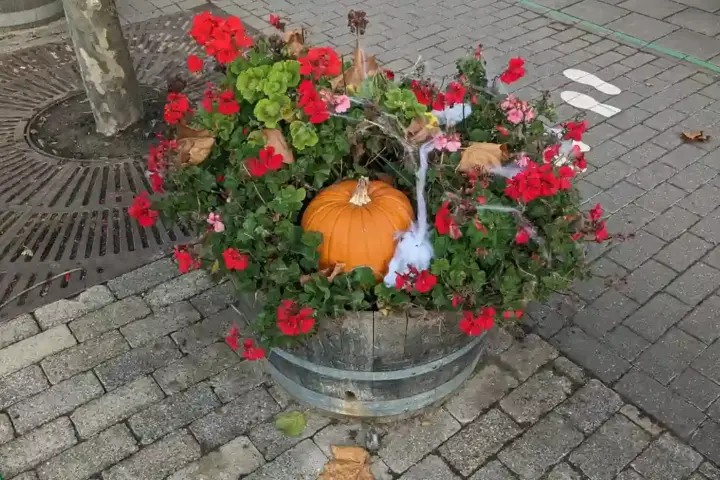
Fine synthetic Halloween web can entangle small wildlife and become plastic litter. Use these safer decoration choices and know what to do if an animal is caught.
A laboratory study published in Nature finds that microplastics can generate reactive radicals at their interface with water. Researchers frame this as a potential mechanism, not evidence of disease or harm in people.
Washing clothes is often described as releasing exactly 700,000 microfibres per load. Peer-reviewed research shows a wide range instead, driven by fabric type, load
Plastic straws are common items that are frequently used around the world. However, they also represent a growing problem with plastic pollution, which is evident in every corner of the world. People
In a move that has sparked both praise and criticism, California Governor Gavin Newsom signed Senate Bill 1053 into law on September 24, 2024. This legislation, set to take effect on January
Researchers at the NIOZ (Royal Netherlands Institute for Sea Research), among others, have discovered that a marine fungus can break down polyethylene, the plastic found at the bottom of the sea, as
As a newly published study in Science Advances, five major companies account for 24% of global plastic pollution. Less than 60 multinational corporations are responsible for more than half of the world’s
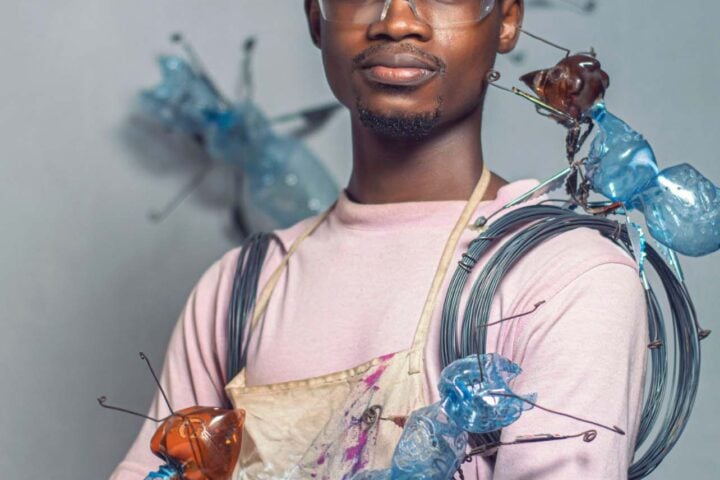
Gbenga Adeku, a prominent upcycle artist from south western Nigeria creates awareness about plastic pollution and its effects on earth through his art. Adeku shared his artistic journey and environmental advocacy in
In today’s world, where convenience and innovation reign, plastic has become an integral part of our lives. Its versatility and durability have revolutionized industries and simplified our daily routines. However, the escalating
4ocean unveiled its Last Straw Bracelet collection on September 29, 2023, in response to the global crisis of single-use plastic straws. Crafted from recycled plastic straws collected by 4ocean crews, these bracelets
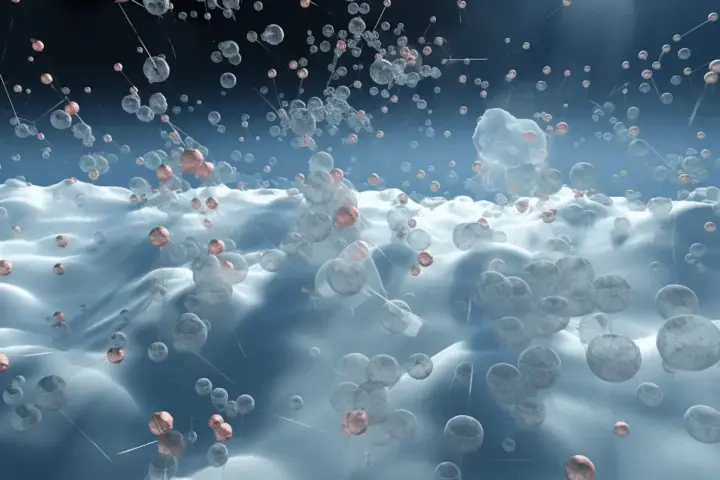
Diving into the uncharted waters of environmental science, Hiroshi Okochi and his team from Waseda University have unearthed startling revelations about airborne microplastics (AMPs) lurking in our clouds. “If the issue of
The alarming release of nanoplastics when microwaving plastic containers has been unveiled by a groundbreaking study from the University of Nebraska. Lincoln. The convenience of microwaving might come at a hidden cost:
Lake Geneva, a picturesque gem nestled between the Swiss and French Alps, has long been a symbol of natural beauty and purity. Tourists and locals alike have been drawn to its shimmering







 Sarah Rose Mathews
 Sunita Somvanshi
 Rahul Somvanshi
 Mohammed Shamil PM
 Karmactive Staff
 Yangchula Bhutia
 Govind Tekale